 ×
×

क्या आपने कभी महसूस किया है कि आपकी उत्पादन लाइन सक्रिय रूप से आपके खिलाफ काम कर रही है? आपको एक नए उत्पाद आकार को शामिल करने की आवश्यकता है, पैकेजिंग प्रारूप बदलने की है, या उपकरण का एक नया भाग एकीकृत करना है, और आपकी कन्वेयर प्रणाली—सामग्री प्रवाह की महत्वपूर्ण रीढ़—एक बोझ बन जाती है। आज के तेजी से बदलते विनिर्माण, लॉजिस्टिक्स और ई-कॉमर्स वातावरण में, परिवर्तन निरंतर है। निश्चित, कठोर कन्वेयर प्रणालियाँ महत्वपूर्ण घर्षण पैदा करती हैं, आवश्यक अनुकूलन को धीमा कर देती हैं और कीमती समय व धन की बर्बादी करती हैं। यही वह जगह है जहाँ कन्वेयर लचीला समाधानों का वास्तविक रणनीतिक मूल्य उजागर होता है। ये केवल "उपकरण" से कहीं अधिक हैं; वे निरंतर संचालन विकास के लिए बनी एक गतिशील ढांचा हैं, जो आपकी प्रणालियों को स्थिर बुनियादी ढांचे से बंधे बिना बदलने और बढ़ने में सक्षम बनाती हैं।
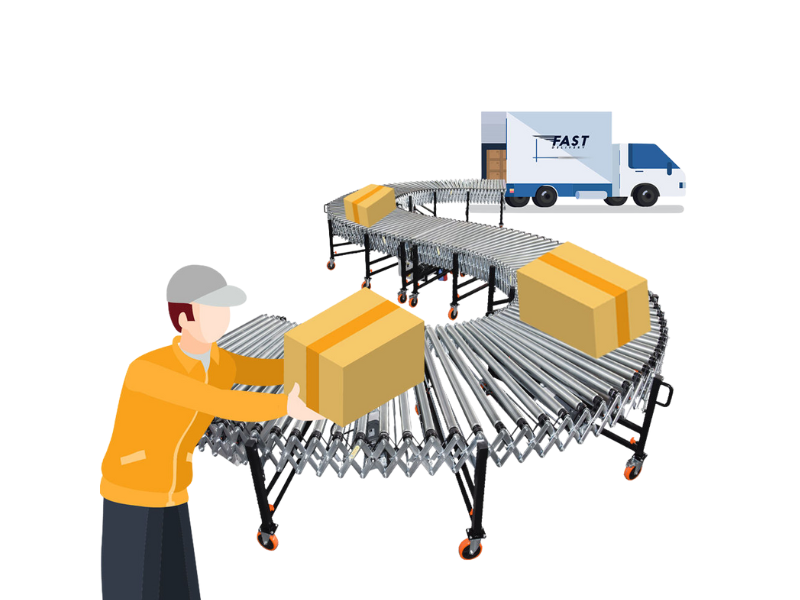
उन विविध उद्योगों पर विचार करें जो निर्बाध सामग्री हैंडलिंग पर निर्भर करते हैं। एक खाद्य प्रसंस्करण संयंत्र को मौसमी उत्पाद लाइनों के बीच स्विच करने की आवश्यकता हो सकती है। एक फार्मास्यूटिकल कंपनी को नए उत्पादों के लिए कठोर, बदलते नियमों के अनुरूप ढलना चाहिए। एक ई-कॉमर्स पूर्ति केंद्र को ऑर्डर की मात्रा और उत्पाद आयामों में दैनिक उतार-चढ़ाव का सामना करना पड़ता है। सफलता के लिए सभी को एक मजबूत सामग्री हैंडलिंग प्रणाली की आवश्यकता होती है।
एक पारंपरिक, निश्चित कन्वेयर प्रणाली, एक बार स्थापित होने के बाद, आपकी प्रक्रिया को निर्धारित करती है। इसके मार्ग या कार्य में बदलाव करना एक बड़ी इंजीनियरिंग परियोजना बन जाता है। बाधाएँ स्पष्ट हैं: संशोधन के दौरान महंगा उत्पादन बंदी, पुन: विन्यास के लिए उच्च लागत, और उत्पन्न होने वाले व्यवधानों के कारण भविष्य में बदलाव करने के लिए अनिच्छा। यह कठोरता नवाचार को दबा देती है और बाजार के अवसरों या दक्षता लक्ष्यों के प्रति प्रतिक्रिया को जटिल बना देती है। परिचालन एक एकल दृष्टिकोण में बंदी बन जाते हैं, और कन्वेयर प्रणाली प्रवाह को सक्षम करने के स्थान पर एक बाधा बन जाती है जो उसे निर्धारित करती है।
एक पूर्णतः लचीले कन्वेयर प्रणाली की रचना क्या है? यह एक सरल, वन-साइज-फिट्स-ऑल उत्पाद से कहीं अधिक है। यह अनुकूलनशीलता पर केंद्रित एक व्यापक डिज़ाइन और सेवा दर्शन है। मुख्य सिद्धांत यह है कि प्रणाली को आपकी विशिष्ट आवश्यकताओं के अनुरूप सटीक रूप से बनाया जाना चाहिए और, अधिक महत्वपूर्ण बात यह है कि आपकी बदलती आवश्यकताओं के साथ विकसित होने के लिए इंजीनियर द्वारा निर्मित किया जाना चाहिए। व्यापक अनुभव वाले एक उद्योग आपूर्तिकर्ता के लिए, इसका अर्थ है कि समाधानों का निर्माण ऐसे किया जाना चाहिए जिन्हें आरंभ में ही सटीक रूप से परिभाषित किया जा सके और भविष्य में कुशलतापूर्वक संशोधित किया जा सके।
यह दृष्टिकोण उन्हें "स्थिर और कुशल सामग्री प्रसारण लिंक" कहे जाने योग्य विकास के लिए मौलिक है। यहाँ, स्थिरता का अर्थ है परिवर्तनशील परिस्थितियों में विश्वसनीय प्रदर्शन, और दक्षता का अर्थ है विविध कार्यों के पार उच्च उत्पादन कायम रखना। एक वास्तविक लचीली प्रणाली यह मॉड्यूलरता, मापनीयता और पुन: विन्यास योग्य लेआउट के माध्यम से प्राप्त करती है—बिना पूर्णतः विघटन और पुनर्निर्माण की आवश्यकता के।
संचालनात्मक लचीलेपन के इस स्तर को प्राप्त करने के लिए उद्देश्यपूर्णता और एक संरचित मॉडल की आवश्यकता होती है। विशिष्ट उत्पादन परिदृश्यों के प्रति संवेदनशील एक पूर्ण-प्रक्रिया अनुकूलन दृष्टिकोण लचीलेपन की अवधारणा को एक वास्तविक संपत्ति में बदल देता है।
ऑन डिमांड योजना डिज़ाइन: अनुकूलनीयता के लिए ब्लूप्रिंट
वास्तविक लचीलापन निर्माण से पहले, डिज़ाइन चरण में शुरू होता है। यह चरण आपकी "व्यक्तिगत उत्पादन आवश्यकताओं" के लिए—चाहे वह लॉजिस्टिक्स, निर्माण या भंडारण के लिए हो—एक गहन सहयोग पर केंद्रित है। इसका उद्देश्य केवल आपकी वर्तमान प्रक्रिया को समझना ही नहीं, बल्कि आपकी संभावित वृद्धि और भावी चुनौतियों का भी मॉडल बनाना है। परिणाम एक अनूठी योजना है जहां परिवहन समाधान आपके स्थान, कार्यप्रवाह और उत्पादों के अनुकूलतम रूप से फिट होता है। यह भविष्य-उन्मुख डिज़ाइन भविष्य के विस्तार बिंदुओं, समायोज्य गति क्षेत्रों और मॉड्यूलर घटकों जैसी अंतर्निहित अनुकूलनीयता को शामिल करता है, जिससे यह सुनिश्चित होता है कि प्रणाली विकसित हो सके।
नमूना परीक्षण उत्पादन सत्यापन: प्रतिबद्ध होने से पहले परीक्षण करें
उत्पादन में अनुकूलन करने में एक महत्वपूर्ण चुनौती एकीकरण की अनिश्चितता है। एक लचीला समाधान इसे सत्यापन के माध्यम से कम करता है। "पहले परीक्षण उत्पादन" का सिद्धांत महत्वपूर्ण है। पूर्ण पैमाने पर कार्यान्वयन से पहले, एक नमूना खंड या प्रोटोटाइप बनाकर परीक्षण किया जाता है। इससे आप अपने वास्तविक उत्पादों के साथ कन्वेयर के प्रदर्शन का भौतिक रूप से आकलन कर सकते हैं, अपने कार्यप्रवाह में इसके एकीकरण का मूल्यांकन कर सकते हैं और ऑपरेटरों के लिए इसकी कार्यात्मकता की जांच कर सकते हैं। यह कदम जोखिम को कम करता है, अवधारणा की पुष्टि करता है और समायोजन की अनुमति देता है। यह यह सुनिश्चित करता है कि अंतिम प्रणाली दिन एक से ही कार्यात्मक हो, जिससे स्थापना के बाद महंगी समायोजन की आवश्यकता समाप्त हो जाती है।
पेशेवर ड्राइंग प्रसंस्करण: चिकनाई से एकीकरण के लिए सटीकता
अंतिम स्तंभ यह सुनिश्चित करता है कि भौतिक प्रणाली योजनाबद्ध लचीलेपन से मेल खाए। पेशेवर ड्राइंग प्रसंस्करण स्वीकृत डिज़ाइन अवधारणा को विस्तृत निर्माण और स्थापना ब्लूप्रिंट में परिवर्तित करता है। नई कन्वेयर प्रणाली और मौजूदा कारखाने के बुनियादी ढांचे, मशीनरी या नियंत्रण प्रणालियों के बीच सुचारु एकीकरण के लिए यह तकनीकी अनुवाद महत्वपूर्ण है। सटीक ड्राइंग्स यह गारंटी देती हैं कि सभी घटक सही ढंग से फिट बैठेंगे, रखरखाव और पहुंच बिंदु स्पष्ट होंगे, और भविष्य के संशोधन बिंदु पहचाने जा सकेंगे। यह दस्तावेज़ीकरण प्रारंभिक स्थापना और किसी भी बाद के पुन: विन्यास दोनों के लिए मास्टर योजना के रूप में कार्य करता है, हर परिवर्तन के माध्यम से डिज़ाइन अखंडता और प्रदर्शन सुनिश्चित करता है।
लचीली कन्वेयर प्रणाली में निवेश आपके संचालन की दीर्घकालिक स्थिरता में निवेश है। यह व्यवसायों को उत्पाद जीवन चक्र में बदलाव का प्रबंधन करने, स्वचालन और IoT सेंसर जैसी नई तकनीकों को अपनाने और बेहतर प्रवाह के लिए फर्श के डिज़ाइन को अनुकूलित करने में सक्षम बनाता है। यह सामग्री हैंडलिंग प्रणाली को एक निश्चित लागत केंद्र से एक गतिशील संपत्ति में बदल देता है जो व्यवसाय विकास का समर्थन करती है।
एक ऐसे वातावरण में जहां उत्पादन में बदलाव अनिवार्य हैं, कन्वेयर लचीला समाधान एक सुविधा से एक महत्वपूर्ण प्रतिस्पर्धी लाभ में परिवर्तित हो गए हैं। वे आवश्यक लचीलापन प्रदान करते हैं न कि केवल परिवर्तन का सामना करने के लिए, बल्कि इसे एक अवसर के रूप में सक्रिय रूप से अपनाने के लिए। एक पूर्ण-चक्र, अनुकूलित दृष्टिकोण के लिए समर्पित प्रदाता के साथ साझेदारी करके, कंपनियां ऐसी सामग्री हैंडलिंग लिंक विकसित कर सकती हैं जो आज कुशल और विश्वसनीय हैं, जबकि कल की चुनौतियों का सामना करने के लिए पूरी तरह से अनुकूलनीय बनी रहती हैं।
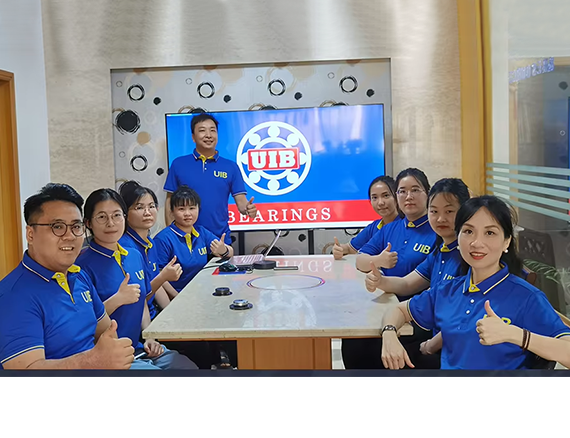
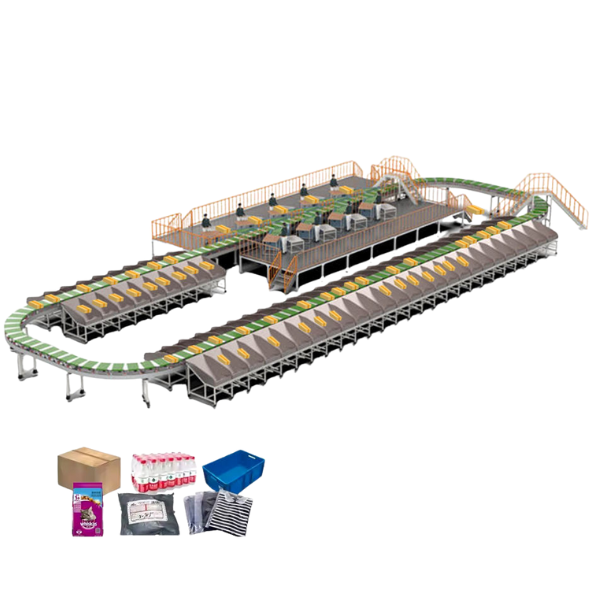
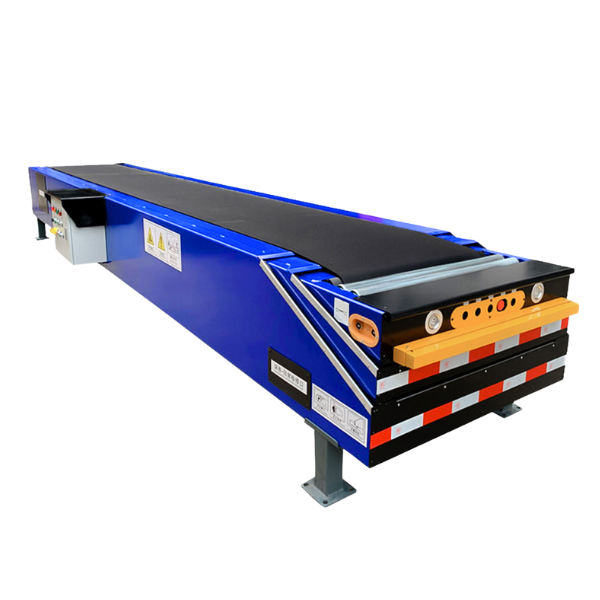
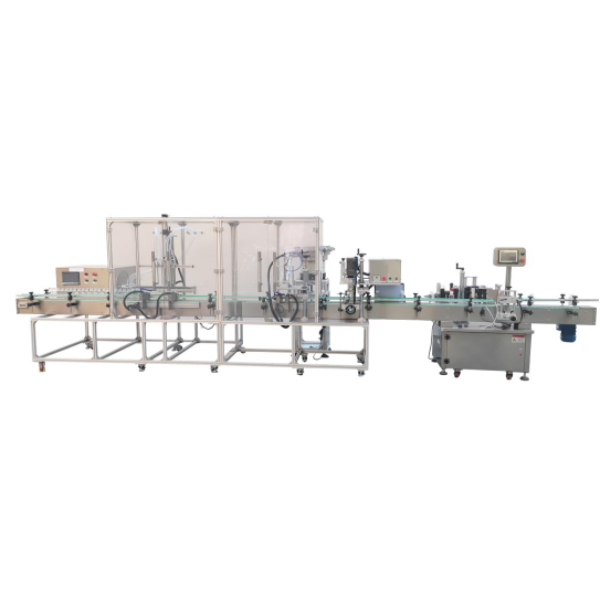
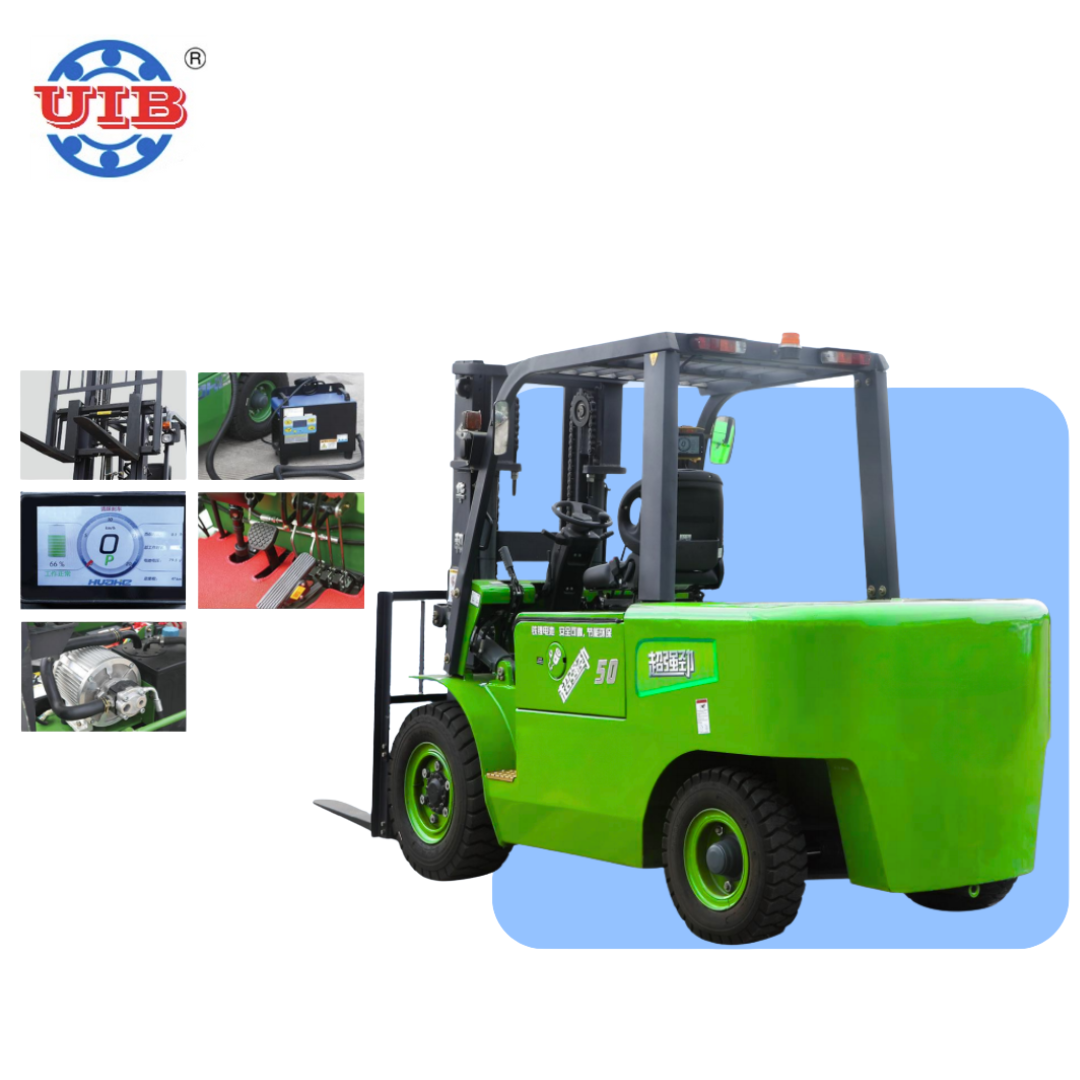
UIB शियामेन एक 10 वर्षीय कारखाना है जो लॉजिस्टिक्स, ठंडी श्रृंखला और विनिर्माण के लिए कस्टम परिवहन यंत्र, छंटनी मशीन, फ़ॉर्कलिफ्ट और सामग्री हैंडलिंग मशीनरी की आपूर्ति करता है। मुफ्त कस्टमाइज़्ड समाधान उपलब्ध है।
कमरा 1409, एसएम इंटरनेशनल सेंटर, जिंगशान रोड, हूली जिला, शियामेन शहर, फ़ुज़ियान प्रांत, चीन।
कॉपीराइट © 2025 यूआईबी (शियामेन) बेयरिंग कं, लिमिटेड द्वारा। गोपनीयता नीति

 EN
EN


 ताज़ा समाचार