EN
EN



Common Integration Barriers Between Sorting Hardware And Legacy WMS Platforms
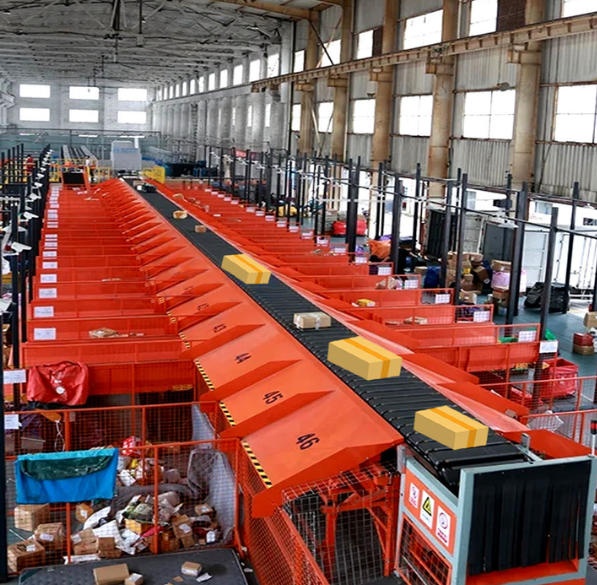
Working as an intelligent warehouse automation implementation engineer with ten years of cross regional project experience, I have sorted out frequent integration obstacles seen in dozens of warehouse renovation projects. Many warehouse operators select standalone sorting machines without evaluating matching capacity with their current warehouse management systems, which triggers a series of operational obstacles after equipment delivery. Closed private data interfaces on low end sorting devices cannot exchange order information with mainstream WMS versions, forcing manual repeated entry of parcel data and increasing human error risks. Industry experts from Material Handling Industry MHI state that incomplete compatibility between sorting equipment and warehouse management software becomes the main hidden cost for warehouse upgrading projects. Mismatched data transmission logic will delay order scheduling, create parcel accumulation and raise overall labor input for daily warehouse operations. Prior evaluation of system interoperability turns into an essential preliminary step before confirming any sorting system procurement.
Verify Open Communication Protocols As The Primary Compatibility Benchmark
Open standardized communication protocols form the basic premise for seamless connection between sorting equipment and warehouse management systems. Premium modern courier sorting machines reserve universal industrial interface ports supporting mainstream transmission standards including Modbus EtherCAT and Profinet. These general protocols realize fast data docking with most commercial WMS platforms without customized secondary development work. Low cost simplified sorting devices adopt exclusive private transmission codes that only match self developed control software. Warehouse teams will face long cycle technical transformation and extra integration service fees when connecting such hardware to existing management platforms. Procurement teams should confirm full protocol compatibility documents from equipment suppliers in advance to avoid extra development work after machine installation.
Bidirectional Real Time Data Synchronization Determines Operational Smoothness
True system compatibility relies on stable two way data interaction instead of one single order information input channel. Qualified sorting systems receive order distribution instructions sent from WMS in real time and feed back on site sorting results parcel location information and abnormal parcel signals to the management platform synchronously. This closed data loop ensures inventory numbers and order progress keep consistent across software and physical sorting lines every minute. Sorting machines with only unidirectional data import functions cannot upload real time execution status, leading to inconsistent inventory data between system records and actual warehouse stock. Warehouse staff need extra time to manually reconcile daily order differences, consuming extra working hours every business day. Complete bidirectional synchronization architecture eliminates information isolation and keeps unified data logic of the whole warehouse operation.
Built In Exception Linkage Mechanism Handles Abnormal Warehouse Orders
Various unexpected order conditions including unreadable labels oversized parcels and return goods will emerge during daily sorting cycles, which require coordinated response from both WMS and sorting hardware. High compatibility sorting systems carry preset abnormal processing logic linked to warehouse management system rules. Once the equipment identifies irregular parcels, it will automatically trigger diversion to special handling channels and push abnormal task notifications to WMS operation terminals instantly. Outdated sorting equipment lacks interlocked exception response modules, requiring on site workers to manually separate defective parcels and record abnormal information into management software separately. Separate processing flows create information delay and increase the probability of missed or wrong order records, affecting subsequent delivery scheduling for e commerce and courier warehouses.
Modular Hardware Layout Matches Existing Warehouse Space Constraints
Hardware structural expandability acts as an auxiliary compatibility factor matching the fixed layout of established warehouses. Mature sorting systems adopt split modular conveying and sorting units that can be combined according to original warehouse aisle height floor load and reserved equipment zones. The split design avoids large scale wall demolition and ground reconstruction work during warehouse renovation, shortening overall project implementation cycles. Integrated monolithic sorting machines demand large continuous blank areas which most running warehouses cannot provide without heavy site modification. Modular assembly also supports later capacity expansion by adding independent sorting branches without disrupting existing WMS data operation logic, bringing flexible upgrade space for warehouses with growing annual order volume.
Professional Conveyor Equipment Supplier Delivers Custom WMS Integrated Solutions
Stable WMS compatible sorting system matching capacity depends on manufacturers with long term intelligent logistics equipment research and production accumulation. UIB focuses on full range automatic sorting machines roller conveyors and incline conveying equipment for global logistics and e commerce warehouse clients. All equipment strictly follows EN ISO 12100 mechanical safety standards and EN 62 conveyor specification standards during manufacturing. The brand provides full process customized service covering demand communication sample trial production and professional drawing conversion to fit different existing WMS versions and warehouse site conditions. A complete global after sales system includes 24 hour remote technical consultation long term spare parts supply and one year free online commissioning guidance, delivering coordinated sorting and conveying integrated solutions with full system docking support for cross border courier warehouse operators.
Table of Contents
- Common Integration Barriers Between Sorting Hardware And Legacy WMS Platforms
- Verify Open Communication Protocols As The Primary Compatibility Benchmark
- Bidirectional Real Time Data Synchronization Determines Operational Smoothness
- Built In Exception Linkage Mechanism Handles Abnormal Warehouse Orders
- Modular Hardware Layout Matches Existing Warehouse Space Constraints
- Professional Conveyor Equipment Supplier Delivers Custom WMS Integrated Solutions