EN
EN



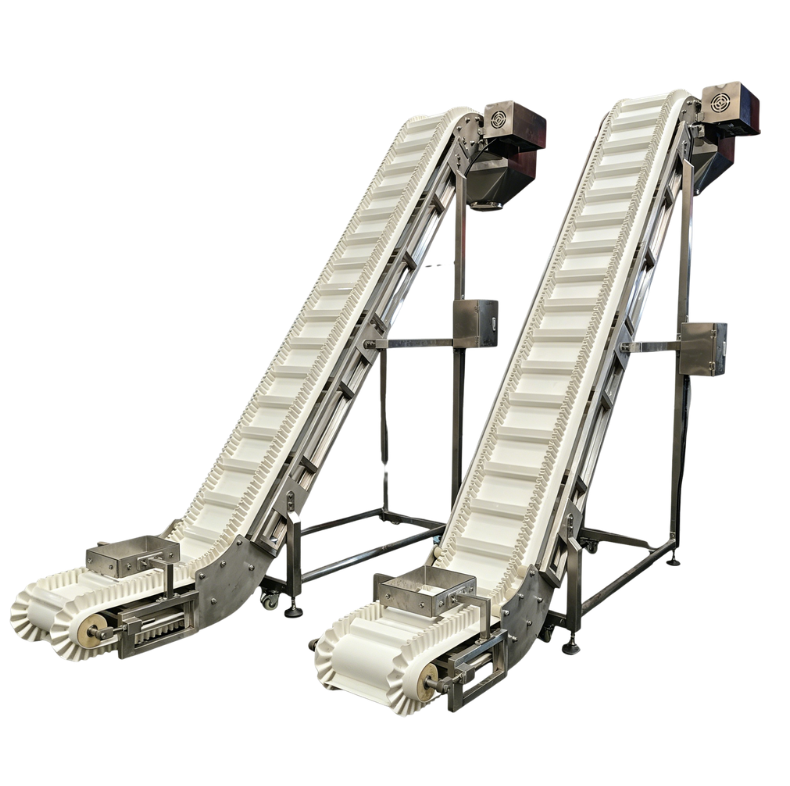
Real vertical conveyor workshop cases reveal losses from unmanaged belt deviation
Many logistics and manufacturing plant maintenance supervisors share consistent costly operation troubles after vertical conveyor belts suffer long term misalignment without standardized prevention measures. A regional cold chain distribution warehouse deployed multiple vertical lifting conveyors for frozen goods two years ago. Operators skipped daily centering inspection before each shift, and belt deviation gradually worsened after weeks of continuous vertical lifting work. The offset belt kept scraping vertical frame side plates, creating permanent edge cracks that forced full belt replacement every forty working days. Scattered frozen packaging boxes fell from tilted conveying surfaces during upward transport, triggering manual sorting overtime and temporary line shutdowns three to four times weekly. Another auto component processing factory’s vertical conveyor experienced similar issues; misaligned belts produced uneven component positioning and raised finished product reject rates significantly. These long term real workshop operation records fully prove vertical belt misalignment is avoidable through regular prevention workflows, and unregulated running creates continuous hidden maintenance and production losses for all vertical transport lines.
Core mechanical triggers of vertical conveyor belt deviation
Vertical lifting conveyors generate unique vertical tension and lateral stress that lead to belt offset far more easily than horizontal flat conveyors, with six core mechanical root causes dominating all misalignment faults. The first factor is non parallel head and tail drive drums; if two drum axes fail to maintain absolute horizontal parallelism, uneven pulling force will push the belt toward the loose side during vertical circulation. Second, partial roller adhesion or uneven abrasion creates inconsistent friction resistance on left and right belt edges, generating lateral sliding force in upward running cycles. Third, uncentered material feeding concentrates weight on one belt side and pulls the whole strip off the central track under vertical gravity. Fourth, unbalanced tension adjustment on two sides of the tensioning device leads to asymmetric stretching deformation of the conveyor belt. Fifth, long term heavy load operation causes slight vertical rack frame deformation, changing roller horizontal installation reference. Sixth, uneven belt joint thickness creates periodic offset every circulation loop. Every factor produces continuous lateral thrust under vertical lifting load and gradually expands misalignment without timely intervention.
International conveyor equipment standards set authoritative alignment norms
Unified global mechanical transport equipment specifications release clear mandatory centering requirements for vertical conveyor belts, providing credible authoritative judgment benchmarks for plant maintenance teams. ISO 5048 continuous conveyor safety standard defines maximum parallelism tolerance for vertical drive drums and outlines compulsory anti deflection accessory configuration rules for all lifting belt machines. Domestic GB14784 vertical transport machinery code sets daily inspection frequency and allowable belt offset distance indexes. Senior logistics equipment engineering specialists publish industry maintenance papers pointing out vertical conveyors need stricter alignment control than horizontal models due to vertical gravity superposition effects. Authoritative third party equipment inspection institutions require vertical conveyor finished products to complete seventy two hour continuous lifting deviation testing before factory delivery, verifying built in anti deflection structural effectiveness. All standardized test parameters eliminate subjective random adjustment mistakes by maintenance staff without standard reference data.
Standard daily inspection to block early deviation risks
Complete sequential inspection and minor correction workflows stop slight belt offset from evolving into severe tearing faults during vertical conveyor operation. Pre startup inspection covers three core items: visual check of drum surface cleanliness and parallel gap measurement, test of left right tension balance via tension handwheel adjustment, and feeding baffle position calibration to ensure materials fall exactly on belt central axis. During running patrols staff observe real time belt edge gap relative to vertical rack guide plates; slight offset within safe tolerance can be corrected by fine tuning tail drum single side bearing position without full machine halt. After each production shift operators clean residual sticky materials on supporting rollers to eliminate friction difference triggers, and record belt joint flatness for periodic trimming if uneven thickness appears. This cyclic inspection mechanism captures deviation inducing factors in early stages and avoids large scale component damage under long vertical lifting load.
Long term economic gains of standardized anti deviation management
Enterprises implementing full set vertical conveyor anti deviation inspection and correction rules gain measurable cumulative cost advantages across equipment service cycles. Regular centering control extends vertical belt service life by more than sixty five percent, drastically cutting frequent new belt procurement expenditure. Centered material conveying eliminates scattered goods waste and extra sorting labor overtime fees. Stable aligned operation reduces unplanned production downtime caused by belt scraping rupture, maintaining fixed daily output schedules for cold chain auto and electronic component production lines. Multi year logistics plant operation data shows total expenditure on belts maintenance and downtime loss can drop by over half within twelve months after launching standardized anti deviation workflows. The minor daily inspection labor input brings sustained profit improvement for factories running vertical lifting transport equipment in mass production cycles.
Integrated vertical conveyor R&D manufacturing supplies anti deviation optimized equipment
Stable supply of vertical conveyors built with built in anti deflection structural design relies on independent research and standardized large scale production capacity. UIB owns ten years of professional industrial conveyor manufacturing experience with full product portfolio including vertical lifting incline roller and automatic sorting conveyors, all passing third party authoritative certification systems. Every vertical conveyor adopts reinforced anti deformation vertical rack and symmetrical double side tensioning structure at design stage to reduce inherent misalignment risk; optional automatic centering roller accessories can be matched for heavy load vertical transport scenarios. The brand provides full cycle customized scheme service covering demand communication sample verification drawing conversion, plus permanent global after sales technical guidance for deviation troubleshooting. Rich cooperation experience with cold chain auto manufacturing and e commerce logistics enterprises enables matched anti deviation vertical conveyor solutions adapting diverse vertical lifting production environments.
Table of Contents
- Real vertical conveyor workshop cases reveal losses from unmanaged belt deviation
- Core mechanical triggers of vertical conveyor belt deviation
- International conveyor equipment standards set authoritative alignment norms
- Standard daily inspection to block early deviation risks
- Long term economic gains of standardized anti deviation management
- Integrated vertical conveyor R&D manufacturing supplies anti deviation optimized equipment