EN
EN



The Southeast Asian Logistics Challenge
Southeast Asia is one of the fastest growing e-commerce and logistics regions in the world. Countries like Indonesia, Vietnam, Thailand, and Malaysia are seeing a massive surge in parcel volumes as more consumers shift to online shopping. This growth creates a serious challenge for warehouse operators. How do you handle peaks in volume without over-investing in fixed infrastructure? A static conveyor system that cannot grow with your business quickly becomes a bottleneck. Many warehouse managers we have spoken with in the region express the same frustration: they are either stuck with equipment that limits their throughput or they have to tear down and rebuild entire lines just to add a few sorting destinations. This is exactly why modular sorting lines are gaining so much traction in Southeast Asia right now.
What Makes a Sorting Line Modular
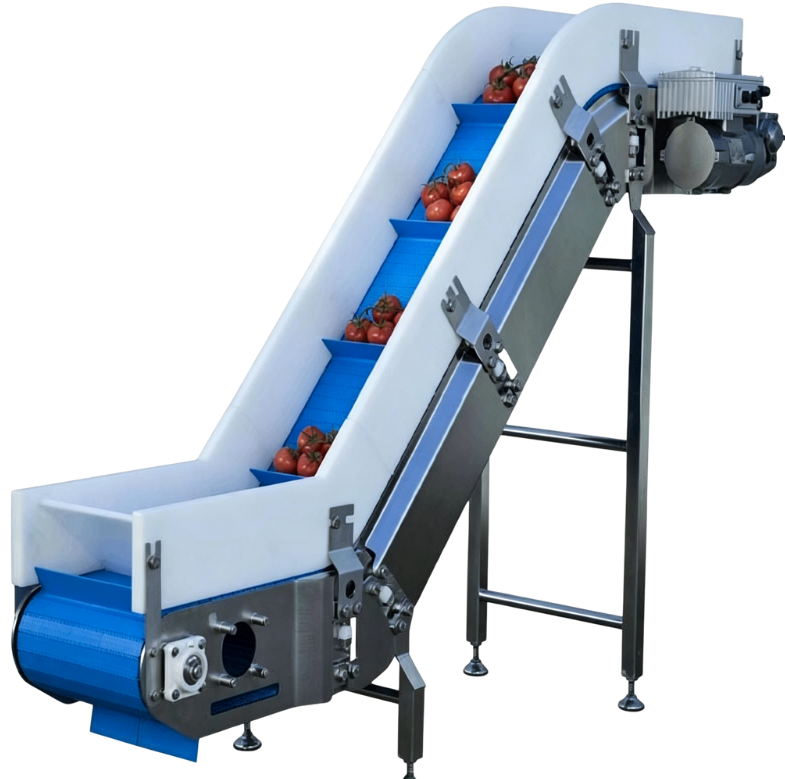
A modular sorting line is built from standardized, interchangeable sections that can be rearranged, expanded, or reconfigured as your needs change. Instead of a single, welded, one piece structure, the system consists of bolted together modules like drive stations, straight sections, curved sections, diverters, and sorting chutes. The core idea is that each module performs a specific function and can be swapped or moved without redesigning the whole line. For example, adding a few new sorting destinations can be as simple as bolting on an additional diventer and extending the conveyor section. This approach is different from traditional custom built lines, which are usually fixed in place and very expensive to modify. A modular design gives you the flexibility to adapt without the high cost and long lead times of a complete redesign.
The Benefits of Scalability and Speed
The most obvious advantage of a modular sorting line is scalability. You can start with a basic configuration that matches your current order volume and gradually expand as your business grows. This means you do not have to pay for capacity you do not need yet. In a high growth market like Southeast Asia, this allows you to start small and scale up in controlled phases, matching your capital expenditure to your actual revenue. There is also a speed benefit. Installation of a modular system is much faster than a traditional fixed system. Since the modules are built with standardized interfaces, most of the work is assembly rather than custom fabrication. One warehouse we worked with in Vietnam was able to add two new sorting destinations during a weekend shutdown. On a traditional line, that kind of modification would have taken weeks of engineering and welding.
Adapting to Seasonal Peaks and Changing Operations
E-commerce in Southeast Asia is heavily driven by seasonal events. There are major shopping festivals, new year celebrations, and religious holidays that cause enormous spikes in parcel volume. A fixed sorting line may struggle to handle these surges, leading to delays and overtime costs. A modular line gives you the option to reconfigure your system to prioritize speed during peak periods. For example, you can add more diverters to increase the number of sorting destinations, creating shorter, faster routes for high volume items. When the peak is over, you can reconfigure back to your normal layout. This adaptability is not just about handling peaks. It also helps you respond to changes in your order profile. If you start handling larger items or different parcel shapes, you can adjust the module spacing or replace certain sections to match your new requirements.
Cost Efficiency and Risk Reduction
From a financial perspective, the modular approach reduces risk in several ways. First, you can stage your investment over time, which improves cash flow. Second, if part of the system wears out or becomes obsolete, you only need to replace that specific module rather than the entire line. Third, the standardized nature of the modules means spare parts are easier to stock and interchange. This reduces maintenance costs and downtime. When we analyzed the total cost of ownership for a modular line versus a fixed line over a five year period, the modular line consistently came out ahead, primarily due to lower modification costs and shorter downtimes during upgrades. For warehouse operators in Southeast Asia, where labor and land costs are rising, this cost efficiency makes a real difference to the bottom line.
A Practical Example from the Field
Consider a mid sized e-commerce fulfillment center in Malaysia that we assisted last year. They were operating a fixed sorting line with eight destinations. When their order volume increased by 40 percent after a major shopping festival, they realized they needed more sorting capacity to keep up. A traditional upgrade would have required shutting down the line for at least two weeks and spending a significant amount on custom engineering. Instead, they opted to replace their fixed line with a modular system. They started with a configuration that gave them twelve destinations, with the ability to expand to twenty. The installation was completed in just five days. Since then, they have already added two more modules during routine weekend maintenance, with no interruption to their weekday operations. Their throughput has increased by over 30 percent, and they are now planning for further expansion ahead of next year's peak season. That kind of flexibility is exactly what logistics operators in this region need.
Why Partner with an Experienced Supplier
Making the switch to a modular sorting line requires more than just buying a set of modules. You need a partner who understands your operational challenges and can help you design a system that grows with you. The supplier should be able to provide full process support, from initial consultation and scheme design to sample verification and drawing conversion. They should also have experience with the specific demands of the Southeast Asian logistics environment, such as high temperatures, high humidity, and diverse parcel types. For companies in this region, UIB Xiamen offers over ten years of experience in industrial conveyor solutions. They provide comprehensive customization support, ensuring that each modular sorting line is tailored to the customer's specific needs. With a focus on efficient delivery and precise adaptation, UIB helps warehouses build flexible, scalable material handling systems that meet both current and future demands.