EN
EN


क्यों तैयार-में-स्टॉक बेल्ट अक्सर विफल हो जाते हैं
मुझे एक वास्तविक मामले के साथ शुरुआत करने दीजिए। दो साल पहले, कनाडा के अल्बर्टा प्रांत में एक फ्रॉज़न फूड वेयरहाउस ने एक बड़े कैटलॉग आपूर्तिकर्ता से पाँच मानक बेल्ट कन्वेयर खरीदे। तीन महीने के भीतर, ये बेल्ट माइनस २० डिग्री सेल्सियस के तापमान पर बोर्ड की तरह कठोर हो गए। बर्फ़ वाले फर्शों पर छिड़के गए नमक के कारण फ्रेम पर जंग के धब्बे दिखने लगे। वेयरहाउस के प्रबंधक ने मुझे नाराज़ होकर फोन किया: “हमने एक कन्वेयर के लिए भुगतान किया, लेकिन यह हमारे ठंडे और आर्द्र वातावरण के लिए नहीं बनाया गया है।” यही एक क्लासिक समस्या है। तैयार-में-स्टॉक बेल्ट कन्वेयर औसत स्थितियों के लिए डिज़ाइन किए जाते हैं। लेकिन वास्तविक कारखानों में अम्ल, धूल, ऊष्मा, शीतलता या चिपचिपी सामग्री होती है। जब आप किसी विशिष्ट वातावरण में एक मानक बेल्ट को जबरदस्ती लगाने की कोशिश करते हैं, तो वह तेज़ी से विफल हो जाता है। आप मरम्मत पर धन्य व्यय करते हैं और उत्पादन के घंटे खो देते हैं। सही कदम यह है कि अपनी प्रक्रिया को समझने वाले निर्माता से अनुकूलन के विकल्पों की खोज करना।
अपने वातावरण के लिए सही इस्पात और कोटिंग का चयन करना
फ्रेम किसी भी कन्वेयर का कंकाल होता है। अधिकांश मानक इकाइयाँ कोमल इस्पात का उपयोग करती हैं, जिस पर एक सामान्य पेंट का फिनिश लगा होता है। यह एक स्वच्छ, शुष्क गोदाम में काम करता है। लेकिन इसे समुद्री भोजन के संयंत्र या रासायनिक कारखाने में लगाएं, और यह महीनों के भीतर क्षरित हो जाएगा। तो एक अच्छा निर्माता क्या प्रदान कर सकता है? पहला, सामग्री का ग्रेड। गीले या नमकीन क्षेत्रों के लिए, 304 स्टेनलेस स्टील एक मजबूत विकल्प है। ब्लीच की सफाई या समुद्री जल में डुबोए जाने जैसे भारी क्लोराइड एक्सपोज़र के लिए, आपको 316 स्टेनलेस स्टील की आवश्यकता होती है। दूसरा, सतह का उपचार। हॉट डिप गैल्वनाइज़िंग कार्बन स्टील पर एक मोटी जिंक की परत प्रदान करती है, जो वर्षों तक सुरक्षा प्रदान करती है। कई परतों में पाउडर कोटिंग एक अन्य विकल्प है, विशेष रूप से खाद्य क्षेत्रों के लिए, जहाँ आपको सफाई को आसान बनाने की आवश्यकता होती है। मैंने ओहियो में एक पालतू भोजन के संयंत्र को देखा है, जिसने पेंट किए गए फ्रेम से हॉट डिप गैल्वनाइज़्ड फ्रेम पर स्विच किया, और जंग की समस्याएँ पूरी तरह से समाप्त हो गईं। एक निर्माता जिसके पास वास्तविक इंजीनियरिंग विशेषज्ञता हो, फ्रेम की सामग्री की सिफारिश करने से पहले आपसे वॉशडाउन की आवृत्ति, उपयोग किए जाने वाले रासायनिक सफाईकर्ता और वातावरण की आर्द्रता के बारे में पूछेगा।
चेवरॉन से साइडवॉल तक: बेल्ट का सामग्री के साथ मिलान
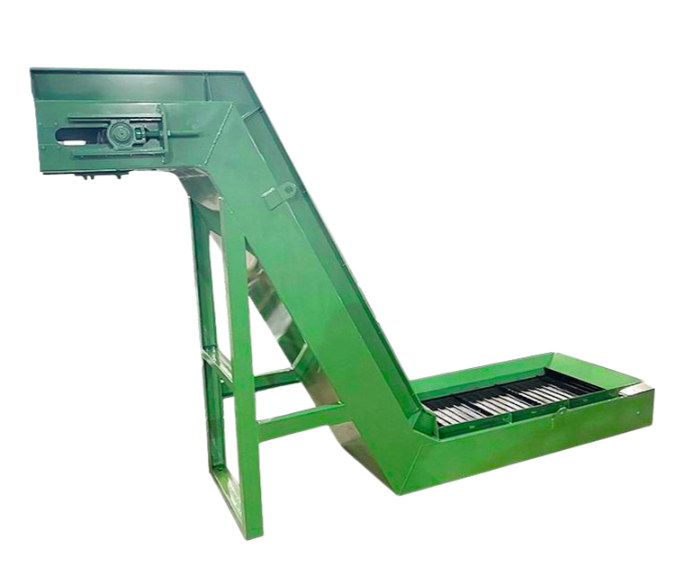
बेल्ट स्वयं वह स्थान है जहाँ अधिकांश लोग भ्रमित हो जाते हैं। मानक चिकनी बेल्ट डिब्बों या बैग्स के लिए ठीक काम करती हैं। लेकिन यदि आपको ढाल पर ढीले अनाज को ऊपर की ओर ले जाने की आवश्यकता है, तो क्या होगा? एक चिकनी बेल्ट उस सामग्री को वापस सरकने देगी। ऐसी स्थिति में चेवरॉन बेल्ट का उपयोग किया जाता है, जिसमें V-आकार के क्लीट्स होते हैं जो उत्पाद को पकड़ते हैं। 30 डिग्री से अधिक के तीव्र झुकाव के लिए, साइडवॉल या करुगेटेड वॉल बेल्ट के साथ क्लीट्स छोटी बाल्टियों की तरह कार्य करते हैं। और ताज़ी रोटी या मछली के फिलिट जैसी संवेदनशील वस्तुओं के लिए, आपको एक मुलायम, गैर-चिपकने वाली सतह वाली चपटी बेल्ट की आवश्यकता होती है। दूसरी ओर, यदि आप गर्म सिंटर्ड अयस्क या केवल बेक किए गए कुकीज़ को प्रवाहित कर रहे हैं, तो आपको सिलिकॉन या PTFE लेपित फाइबरग्लास से बनी ऊष्मा प्रतिरोधी बेल्ट की आवश्यकता होगी। रबर निर्माता संघ के बेल्ट डिज़ाइन दिशानिर्देशों के अनुसार, गलत बेल्ट कवर यौगिक का उपयोग करने से बेल्ट के जीवनकाल में 70% की कमी आ सकती है। यह कोई छोटी संख्या नहीं है। एक अच्छा निर्माता आपके द्वारा स्पर्श और परीक्षण करने के लिए विभिन्न बेल्ट सतहों के नमूने प्रदान करेगा।
चर गति, उलटने योग्य और स्मार्ट सेंसर
अब हम इस बारे में बात करते हैं कि बेल्ट को क्या गति प्रदान करता है। एक मूल कन्वेयर में स्थिर गति वाला मोटर होता है, जो आमतौर पर एकल-चरण या तीन-चरण का प्रेरण मोटर होता है। यदि आपकी उत्पादन प्रवाह कभी नहीं बदलता है, तो यह ठीक है। लेकिन कई प्रक्रियाओं को लचीलापन की आवश्यकता होती है। उदाहरण के लिए, फल छँटाई की लाइन को तब धीमी गति से चलाने की आवश्यकता होती है जब कर्मचारी खराब सेब चुन रहे होते हैं, और फिर जब पैकिंग मशीन को फीड किया जाता है तो गति बढ़ाने की आवश्यकता होती है। एक परिवर्तनशील आवृत्ति ड्राइव (VFD) आपको गति को तुरंत समायोजित करने की अनुमति देता है। एक अन्य विकल्प एक उलटने योग्य ड्राइव है। मैंने शिकागो में एक बेकरी के लिए एक कन्वेयर स्थापित करने में सहायता की जो ओवन को फीड करने के लिए आगे की ओर चल सकता था और खाली ट्रे को वापस लाने के लिए उलट सकता था। इससे उन्हें दूसरा कन्वेयर खरीदने से बचत हुई। सीमेंट या कोयला जैसे उच्च धूल वाले वातावरण के लिए, आप धूल प्रज्वलन-रोधी मोटर और बेल्ट के विस्थापन या फटी हुई बेल्ट का पता लगाने के लिए सील किए गए सेंसर जोड़ सकते हैं। ये सेंसर क्षति के फैलने से पहले मोटर को रोकने के लिए एक संकेत भेजते हैं। प्रारंभिक लागत अधिक है, लेकिन सुरक्षा और अवरोध के समय में बचत कुछ ही महीनों में इसकी पूरी लागत की भरपाई कर देती है।
ड्रॉइंग रूपांतरण से नमूना सत्यापन तक
यहाँ प्रक्रिया वास्तव में पेशेवर बन जाती है। कई ग्राहक एक नैपकिन पर बनाए गए रूपरेखा चित्र या एक सामान्य विचार के साथ आते हैं। वे जानते हैं कि उन्हें 12 मीटर लंबा कन्वेयर चाहिए जिसमें एक वक्र हो, लेकिन उनके पास विस्तृत इंजीनियरिंग ड्रॉइंग नहीं होती है। एक पूर्ण सेवा प्रदान करने वाला निर्माता ड्रॉइंग रूपांतरण सेवा प्रदान करता है। इसका अर्थ है कि उनके इंजीनियर आपके विचार को लेकर उसे एक निर्माण योग्य CAD ड्रॉइंग में बदल देते हैं, जिसमें सटीक आयाम, सहनशीलता (टॉलरेंस) और सामग्री के विवरण निर्दिष्ट किए जाते हैं। इसके बाद नमूना सत्यापन का चरण आता है। 50 इकाइयाँ बनाकर सब कुछ छोड़ने के बजाय, निर्माता एक नमूना बनाता है। आप इसे अपनी लाइन पर एक सप्ताह के लिए परीक्षण के लिए चलाते हैं। यदि नमूना अटक जाता है या बेल्ट अपने मार्ग से विचलित हो जाती है, तो आप बड़े पैमाने पर उत्पादन से पहले इसे ठीक कर लेते हैं। यह एकमात्र चरण परियोजना के जोखिम को काफी कम कर सकता है। मुझे आयरलैंड में एक फार्मास्यूटिकल पैकेजिंग लाइन की याद आती है, जिसमें विशेष साइड गाइड ऊँचाई के साथ स्टेनलेस स्टील के कन्वेयर की आवश्यकता थी। निर्माता ने 2 मीटर का नमूना अनुभाग बनाया। ग्राहक ने इसे तीन दिनों तक चलाया, और ध्यान दिया कि साइड गाइड्स बहुत कम थीं, जिन्हें 20 मिलीमीटर ऊँचा कर दिया गया। इस नमूना चरण के बिना, सभी 20 कन्वेयर गलत होते। UIB (शियामेन) जैसा आपूर्तिकर्ता अपनी सेवा को ठीक इन तीन मॉड्यूलों के आसपास बनाता है: आपकी आवश्यकताओं के आधार पर ऑन-डिमांड योजना डिज़ाइन, सत्यापन के लिए नमूना परीक्षण उत्पादन, और कनेक्शन को सुचारू बनाने के लिए पेशेवर ड्रॉइंग प्रोसेसिंग। औद्योगिक कन्वेयर के 10 वर्षों से अधिक के अनुभव के साथ, वे आपको अनुमान लगाने की प्रक्रिया से बचाने में सहायता करते हैं।
कस्टमाइज़ेशन क्यों आपके विचार से भी तेज़ी से रिटर्न देता है
मुझे इस पर कुछ संख्याएँ लगाने दीजिए। एक मानक बेल्ट कन्वेयर की कीमत 5,000 अमेरिकी डॉलर हो सकती है। स्टेनलेस स्टील फ्रेम, वेरिएबल फ्रीक्वेंसी ड्राइव (VFD) और विशेष क्लीटेड बेल्ट के साथ एक अनुकूलित संस्करण की कीमत 8,000 अमेरिकी डॉलर हो सकती है। यह 3,000 अमेरिकी डॉलर का अंतर है। अब, यदि मानक कन्वेयर जंग या बेल्ट स्लिप के कारण हर छह महीने में खराब हो जाता है, तो प्रत्येक खराबी के कारण आपको उत्पादन में हुए नुकसान और मरम्मत पर 1,500 अमेरिकी डॉलर खर्च करने पड़ते हैं। एक वर्ष के बाद, आप केवल खराबियों पर ही 3,000 अमेरिकी डॉलर खर्च कर चुके होते हैं। दूसरी ओर, अनुकूलित इकाई तीन वर्षों तक बिना किसी समस्या के चलती है। अतः इसकी अदायगी अवधि केवल एक वर्ष है। उसके बाद, आप प्रत्येक महीने बचत करने लगते हैं। इसके अतिरिक्त, अनुकूलन का अर्थ अक्सर आसान रखरखाव भी होता है। मानक भागों को बदलने के लिए कभी-कभी विशेष उपकरणों या बेयरिंग को बदलने के लिए पूरी तरह से विघटित करने की आवश्यकता होती है। एक अनुकूलित डिज़ाइन में स्प्लिट फ्रेम या क्विक रिलीज़ टेंशनर शामिल किए जा सकते हैं। और जब आप अनुकूलन और निरंतर आपूर्ति दोनों के लिए एक ही साझेदार के साथ काम करते हैं, तो आपको कई विक्रेताओं के साथ निपटने की परेशानी से बचा जाता है। UIB (शियामेन) आपूर्ति श्रृंखला सेवाएँ प्रदान करता है जो सामग्री प्रमाणन की निरंतरता और विश्वसनीय डिलीवरी सुनिश्चित करती हैं। किसी उत्पादन प्रबंधक के लिए, यह विश्वसनीयता सोने के समान है। अनुकूलन कोई विलासिता नहीं है; यह अवरोध-मुक्त संचालन, सुरक्षा और गुणवत्ता में एक निवेश है। वे निर्माता जो वास्तविक गहन अनुकूलन—केवल बोल्ट-ऑन विकल्पों के बजाय—प्रदान करते हैं, वे ही आपकी लाइन को वर्षों तक चलाए रखते हैं।