 ×
×
Understanding the Challenge of Irregular Paths
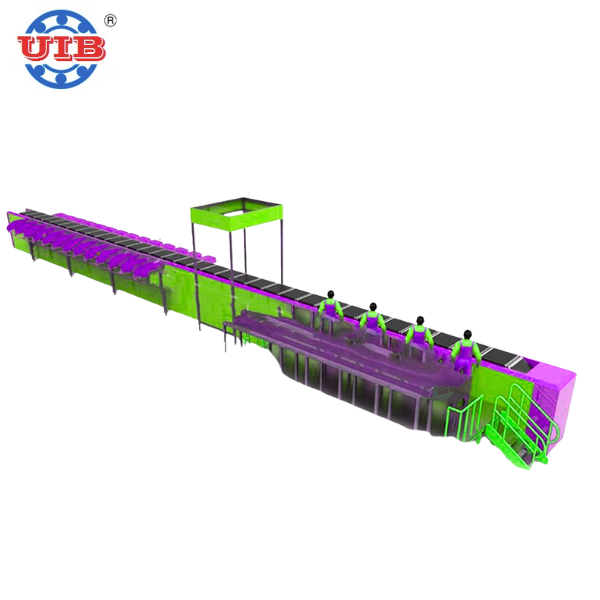
When you are dealing with a factory floor or a warehouse layout that has a lot of obstacles, tight corners, or existing equipment that cannot be moved, a standard straight conveyor just will not cut it. I have seen so many facilities where the space is just not designed for simple straight lines. You might have support pillars in the middle of the floor, machines placed at odd angles, or a need to snake around existing workstations. This is where the idea of a custom flexible conveyor really becomes essential. It is not just about moving products from point A to point B anymore. It is about finding a path that works with your space, not against it.
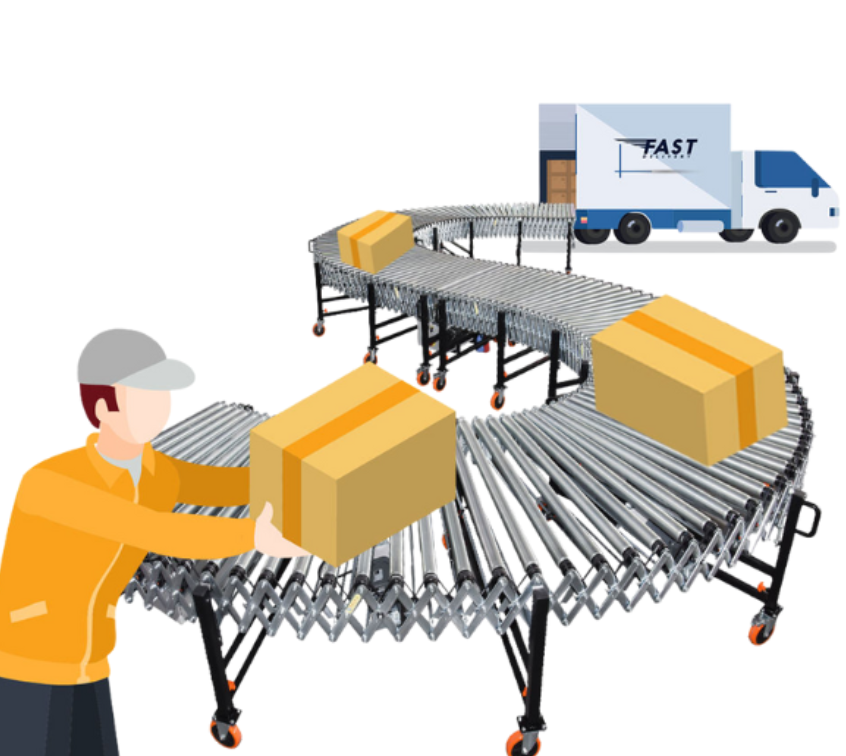
The first thing to understand is that designing for irregular paths requires a completely different mindset compared to traditional conveyor systems. You are not laying out a straight line. You are essentially creating a path that can curve, bend, and adapt to whatever obstacles are in the way. Think about it like designing a custom road for your products to travel on. You need to consider the turning radius, how the product will behave as it goes around corners, and how to maintain a smooth flow without jams or bottlenecks. A good approach is to start by mapping out your entire facility. Mark down every pillar, every piece of equipment that cannot be moved, and every doorway or narrow passage. This gives you a clear picture of the actual path your conveyor needs to follow. With that map in hand, you can start thinking about how a flexible system can be configured to navigate those challenges. The goal is to create a seamless flow that keeps your operations moving efficiently, even in the most cramped or complicated spaces.
Key Considerations for Your Custom Design
Once you have a clear picture of the path, the next step is getting into the details of the design. When you are planning a custom flexible conveyor, there are several key factors you need to think about. The first one is the product itself. What are you moving? Is it small boxes, large cartons, or something with an irregular shape? The size, weight, and shape of your products will determine a lot about the conveyor you need. For example, small items might need a narrower belt or a different type of guiding system to keep them from falling off during curves. Heavy items will require a sturdier frame and more robust drive components.
Another important consideration is the turning radius. How tight are the corners your conveyor needs to navigate? A custom flexible conveyor can be designed to handle various degrees of curvature, but there are limits. You want to make sure that the products can move through the turns smoothly without tipping over or getting stuck. The speed of the conveyor is also a factor. Faster speeds might require wider turns to maintain stability. You also need to think about the height and the mounting options. Does the conveyor need to be floor mounted, or does it need to be elevated to work with other equipment? Some setups even require the conveyor to be mobile, able to be moved and reconfigured as needs change. A manufacturer with experience in custom solutions will work with you to figure out all these details. They will ask the right questions to make sure the final design fits your products, your space, and your operational needs perfectly.
The Process of Bringing Your Design to Life
So you have a clear idea of your path and the specifications you need. Now comes the part where you actually turn that concept into a real piece of equipment. This is where working with an experienced partner really pays off. The process typically starts with a detailed discussion about your requirements. A good supplier will want to understand not just the path and the products, but also your overall workflow. They need to see the big picture to design something that integrates seamlessly with your existing operations.
After that initial discussion, the next phase is design and validation. This is where the supplier creates a detailed design of your custom flexible conveyor. They will map out the exact path, specify the components, and make sure everything fits within your space constraints. A really thorough supplier will often provide drawings or even 3D models so you can visualize the final setup before anything is built. This is also the time to talk about materials and construction. Do you need stainless steel for a food grade environment? Do you need special coatings for chemical resistance? These are the kinds of details that get ironed out during the design phase.
Once the design is finalized and approved, the next step is often sampling or prototyping. For a complex custom design, it can be a smart move to have a sample section built first. This allows you to test the concept with your actual products before committing to the full system. You can see how the products behave on the curves, check the stability, and make any necessary adjustments. This trial phase is a huge advantage because it catches any potential issues early, saving you time and money in the long run. After the sample is approved, full production begins. A reliable manufacturer will have the technical capability and the production capacity to build your custom system efficiently without cutting corners on quality.
Ensuring Smooth Installation and Long Term Performance
The final stage of the journey is getting your custom flexible conveyor installed and ensuring it performs well for years to come. Installation is a critical step. If you are working with a good supplier, they will often provide guidance on installation, or even offer installation services to make sure everything is set up correctly. Proper installation ensures that all the curves and sections line up perfectly and that the system runs smoothly from day one.
Once the system is up and running, you want to think about long term maintenance. A well designed custom flexible conveyor should be built to last, but like any mechanical system, it needs regular care. Ask your supplier about recommended maintenance schedules. What parts might wear out over time? Are there simple checks you can do to prevent small issues from becoming big problems? A good supplier will provide clear documentation and support to help you keep your system in top shape.
Another aspect to consider is future flexibility. One of the great things about a flexible conveyor system is that it can often be reconfigured if your needs change down the road. Maybe you rearrange your facility, or you add new equipment. A modular design allows you to adapt the conveyor to new paths without having to buy a whole new system. When you are working with a manufacturer who understands the value of adaptability, they will design your system with future changes in mind. This forward thinking approach gives you a solution that not only solves your current challenges but also provides value for years to come as your operations evolve. Investing in a well designed custom flexible conveyor is not just about solving today’s problems. It is about building a material handling solution that grows and adapts with your business.
 Hot News
UIB Xiamen is a 10-year factory supplying custom conveyor, sorting machine, forklift & material handling machinery for logistics, cold chain & manufacturing. Free customized solution available.
Room 1409, SM International Center, Xingshan Road, Huli District, Xiamen City, Fujian Province, China.
Copyright © 2025 by UIB (Xiamen) Bearing Co., Ltd. Privacy Policy

 EN
EN