 ×
×
Assessing Your Current Setup and Identifying the Gaps
Before you even start thinking about adding a new automatic conveyor system to your existing production line, you really need to take a good, honest look at what you already have. I have seen plenty of projects where people got excited about the new technology but skipped this step, and it almost always leads to problems down the road. So the first thing you want to do is walk through your facility and really observe how things are currently moving. Where are the bottlenecks? Which parts of the process feel slow or require a lot of manual handling? Are there areas where products get backed up because the flow is uneven?
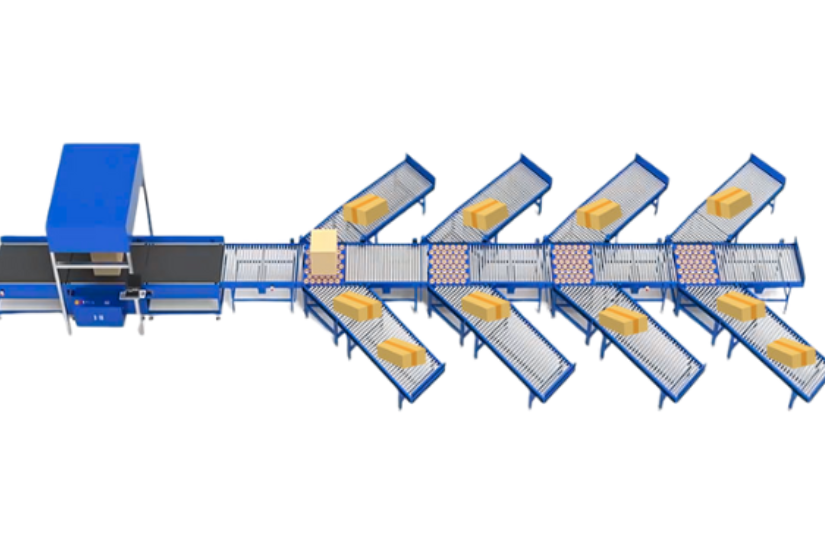
You also need to map out your existing equipment. Note down the heights of your workstations, the locations of your power sources, and any fixed machinery that cannot be moved. This gives you a clear picture of the physical space you have to work with. Another important factor is understanding your production volume and speed. How many items do you process per hour or per shift? What is the peak load? An automatic conveyor system needs to be designed to handle your regular volume without becoming a new bottleneck itself. It also needs to be able to keep up during those busy periods. Taking the time to gather all this information upfront might feel a bit tedious, but it is absolutely worth it. It gives you a solid foundation to work from and helps you communicate your needs clearly when you start talking to suppliers. A good partner will appreciate this level of detail because it allows them to design a solution that truly fits your operation, not just something that looks good on paper.
Choosing the Right Type of System for Seamless Integration
Once you understand your current setup and what you need to improve, the next step is figuring out what kind of automatic conveyor system will work best with what you already have. This is where the real art of integration comes into play. You are not building a brand new line from scratch. You are adding a new piece to an existing puzzle, and it needs to fit perfectly.
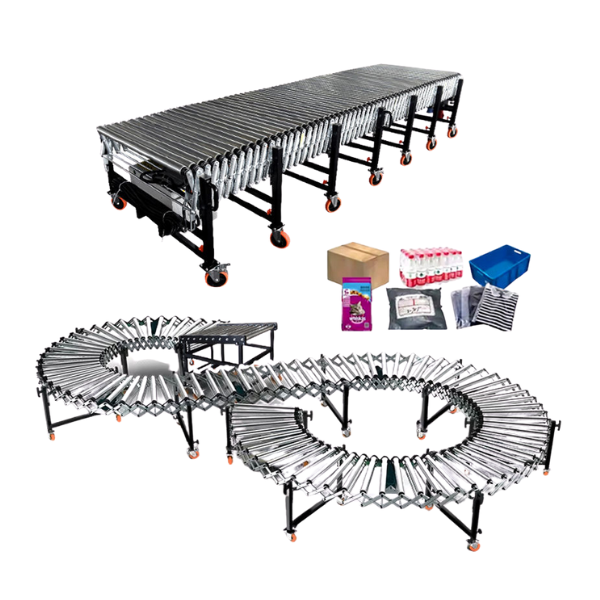
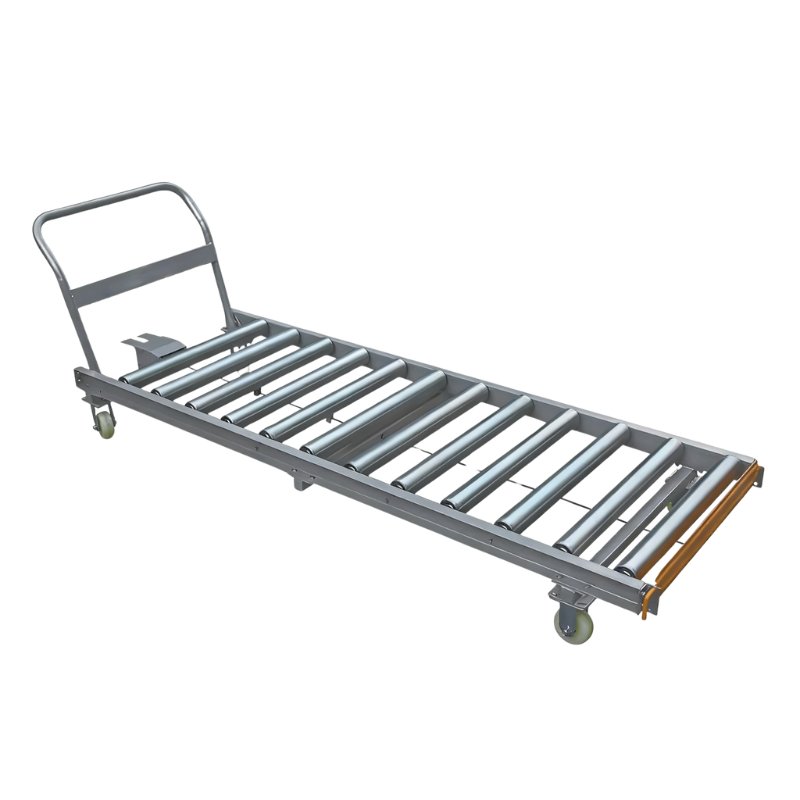
One of the first decisions you will face is the type of conveyor technology. Do you need belt conveyors for general transport, roller conveyors for heavier loads, or maybe a combination of both? For integration with existing lines, modular systems are often a great choice because they can be configured to match the height, width, and speed of your current equipment. You also need to think about how the new system will connect to your existing machines. Will it feed directly into an existing infeed point, or will it need a transfer station to move products from one system to another? These connection points are critical. If the transition is not smooth, you could end up with jams, product damage, or constant interruptions.
Another consideration is control systems. An automatic conveyor system typically comes with its own controls, but for true integration, you want it to communicate with your existing production line. This might mean connecting it to your central control system, or at least ensuring that it can start and stop in sync with the rest of your equipment. A manufacturer with experience in automation will understand these integration challenges. They will ask about your current control setup and propose solutions that make the new system work as a natural extension of what you already have, rather than something that feels tacked on.
The Customization and Design Process
Now we get to the part where your ideas start turning into a real plan. When you are integrating an automatic conveyor system into an existing line, off the shelf solutions rarely work perfectly. You almost always need some level of customization to get everything to line up just right. This is where working with a supplier who offers full process customization support becomes invaluable.
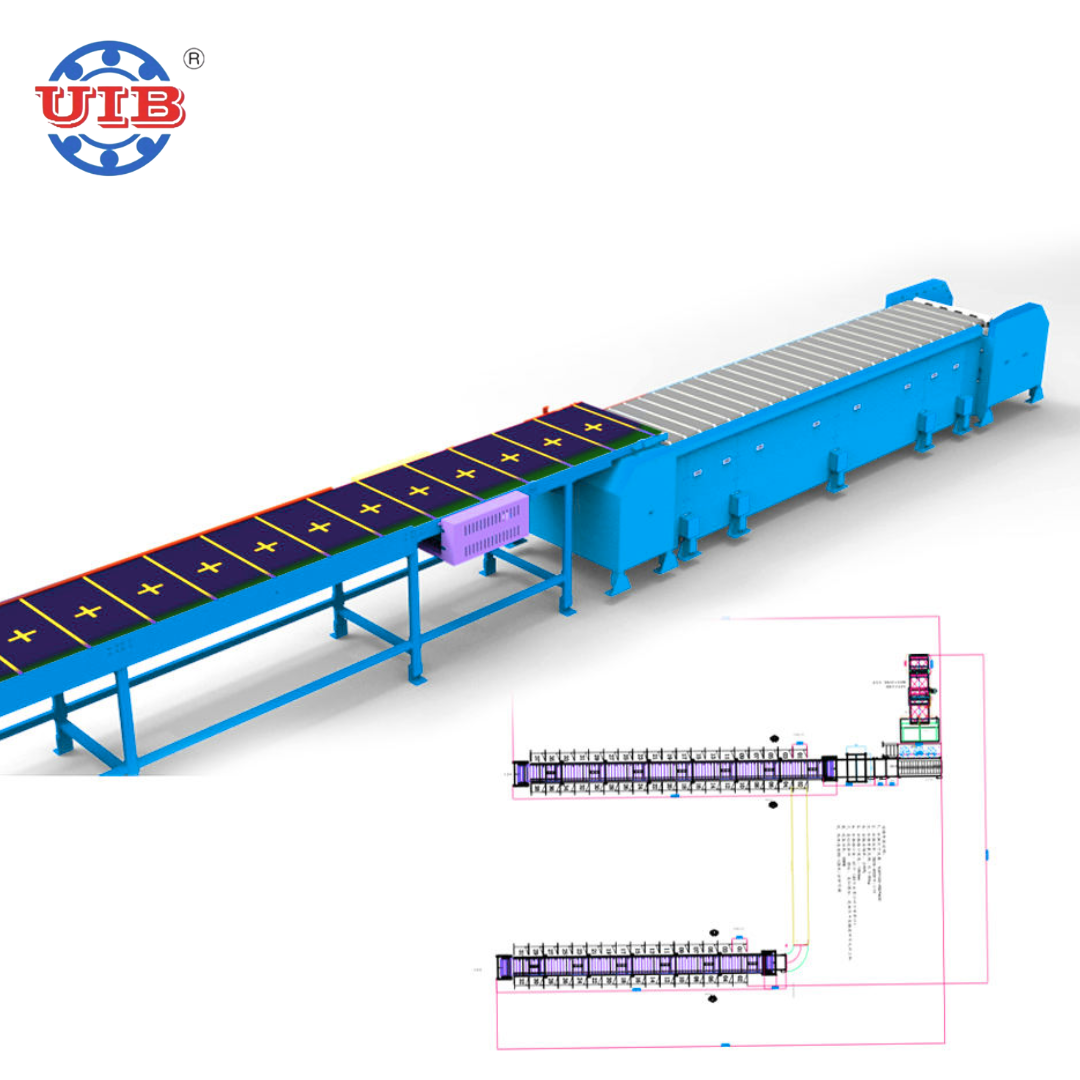
A good supplier will start by having a detailed conversation with you about your needs. They will want to see your layout, understand your workflow, and know exactly where the new system needs to connect. This is the demand connection phase. Based on this information, they will create a preliminary design. They will figure out the exact dimensions, the drive system required, and how the new conveyor will interface with your existing machines.
The next phase is often sample verification. For a complex integration, it can be really helpful to have a small section built and tested before you commit to the whole system. This allows you to see how the new equipment interacts with your existing line. You can test the transfer points, check the alignment, and make sure the speed synchronization works as expected. If any adjustments are needed, this is the time to make them. After the sample is approved, the supplier will move to drawing processing and full production. They will create detailed manufacturing drawings and then build the system to your exact specifications. This step by step approach with careful verification at each stage helps reduce risk and ensures that when the system arrives, it fits and functions exactly as it should.
Installation, Testing, and Long Term Success
The final stage of integration is where everything comes together. Installation is a critical time, and how it is handled can make or break the success of the project. For a seamless integration, you want to plan the installation carefully. Ideally, you want to minimize disruption to your existing production. Sometimes this means scheduling installation during a planned shutdown or over a weekend. A good supplier will work with you to create an installation plan that fits your schedule.
Once the new automatic conveyor system is physically installed, the real testing begins. You need to run the system with your actual products to make sure everything works as intended. Start with a slow speed and gradually increase to normal operating speed. Watch the transfer points carefully. Are products moving smoothly from one system to another? Is the synchronization with your existing equipment working correctly? This testing phase is your chance to catch any small issues before they become big problems.
After the system is up and running, you also want to think about long term support. Your supplier should provide documentation, training for your staff, and guidance on maintenance. What parts need regular inspection? What kind of routine cleaning is required? Having a clear maintenance plan helps ensure that your integrated system continues to perform reliably for years to come. Finally, consider future flexibility. A well designed integration should not just solve today’s needs but also allow for future changes. If your production line evolves or expands, you want a system that can adapt. Working with a supplier who understands the importance of long term partnership means you get a solution that grows with your business, not one that becomes obsolete when your needs change.
 Hot News
UIB Xiamen is a 10-year factory supplying custom conveyor, sorting machine, forklift & material handling machinery for logistics, cold chain & manufacturing. Free customized solution available.
Room 1409, SM International Center, Xingshan Road, Huli District, Xiamen City, Fujian Province, China.
Copyright © 2025 by UIB (Xiamen) Bearing Co., Ltd. Privacy Policy

 EN
EN