 ×
×
Eliminating the Variability of Human Involvement
One of the biggest challenges in any manufacturing process is dealing with the natural variability that comes with human involvement. I have seen it time and time again in factories. Even the most skilled workers can have off days. Maybe someone is a little tired after a long shift, or perhaps a new worker is still getting up to speed. These small differences in attention, speed, or technique can lead to noticeable variations in the final product. When you rely on manual processes for tasks like feeding materials, positioning items, or transferring products between stations, consistency becomes really hard to maintain over time.
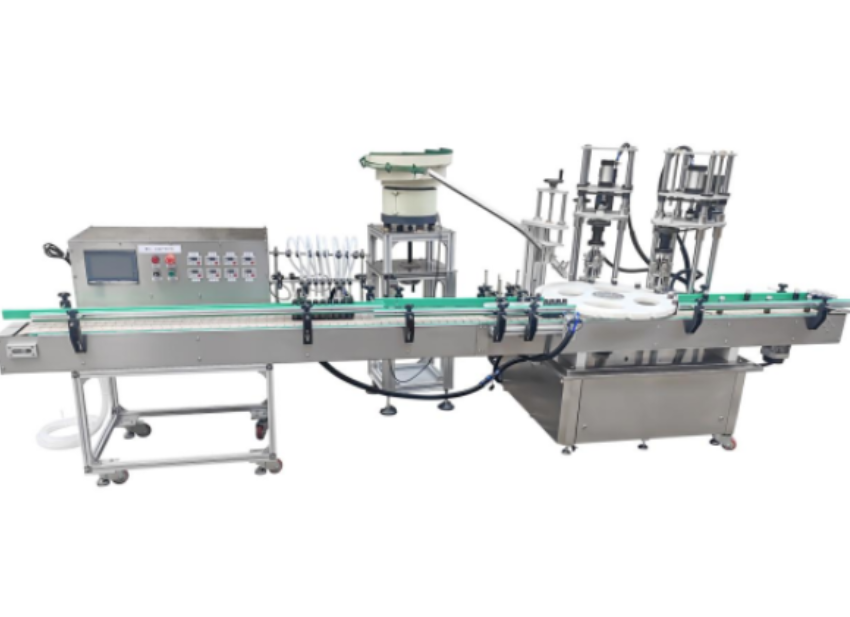
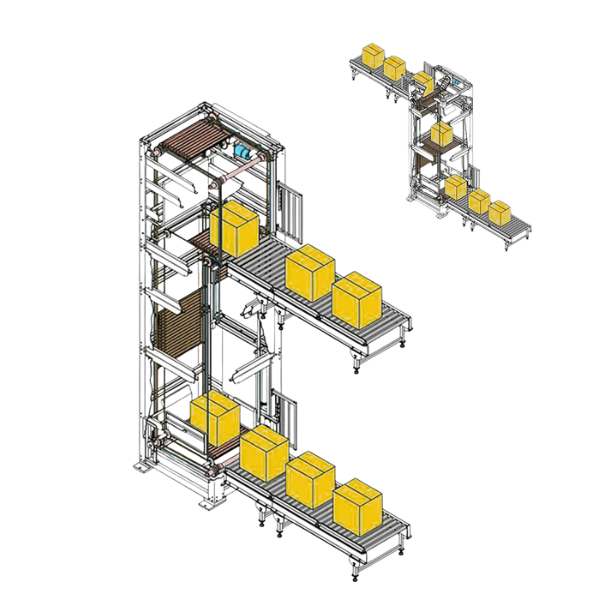
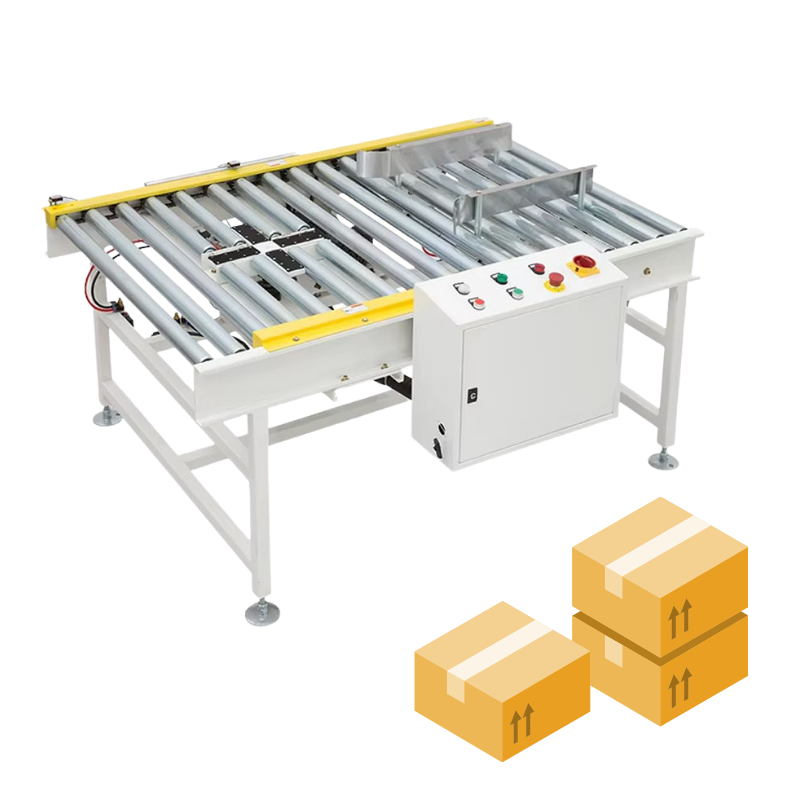
This is where production line automation integration makes such a dramatic difference. When you automate the flow of materials and products across your line, you take those variables out of the equation. An automated system does not get tired. It does not get distracted. It does not need a coffee break. Every single movement, every transfer, every positioning action is performed exactly the same way, every single time. Think about a simple task like moving a product from one conveyor to another. A manual operator might place it at slightly different angles throughout the day. Over hundreds or thousands of cycles, those tiny variations add up. An automated transfer mechanism, on the other hand, places each product at the exact same spot with the exact same orientation, shift after shift. This level of repeatability is the foundation of product consistency. When you remove the unpredictable human element from the material flow, you create a stable, predictable environment where every product is handled identically from start to finish.
Precise Control Over Process Parameters
Another major factor in product consistency is having tight control over the parameters that affect how your products are made and handled. In a manual or semi manual setup, controlling these parameters can be a real challenge. Take speed, for example. If you have workers manually feeding products onto a line, the speed can vary based on who is working, how busy they are, or even the time of day. This inconsistent feed rate can cause gaps, jams, or uneven processing downstream.
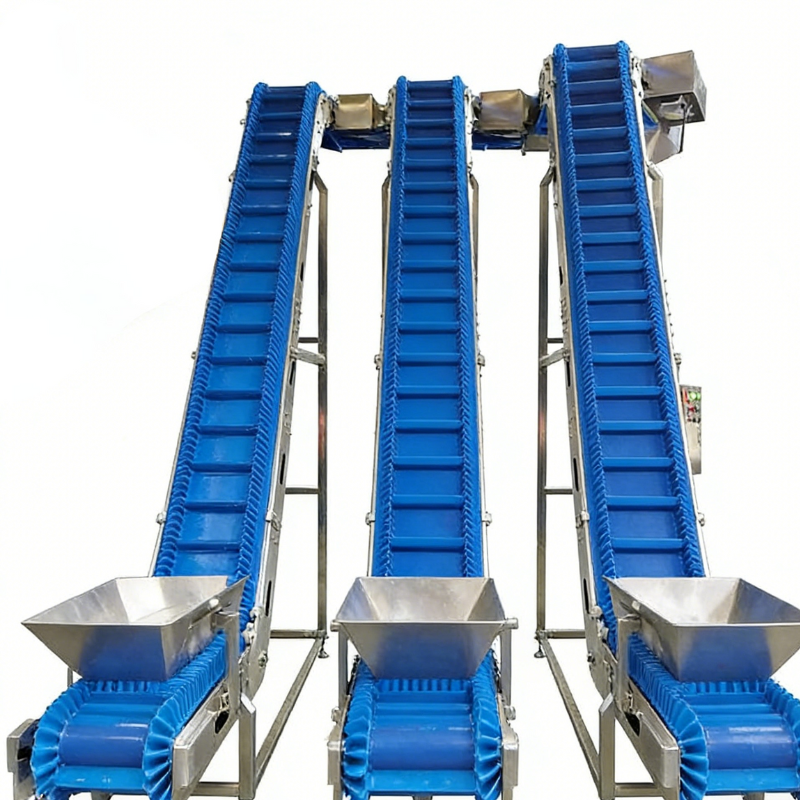
When you bring production line automation integration into the picture, you gain precise, digital control over these critical parameters. You can set the speed of your conveyors to an exact rate that matches your production requirements. You can synchronize different sections of the line so that everything moves in perfect harmony. If you have multiple lines feeding into a main line, automation ensures that the flow is balanced and consistent. This precision extends beyond just speed. You can control acceleration and deceleration profiles to handle delicate products gently. You can set exact dwell times if products need to pause for a process. All of these parameters can be programmed, saved, and repeated exactly whenever you run a particular product. This means that the conditions under which every single unit is processed are virtually identical. When every product experiences the same speeds, the same transfer motions, and the same handling conditions, the end result is much more uniform. Consistency becomes built into the process itself rather than being something you have to constantly monitor and adjust.
Real Time Monitoring and Immediate Feedback
One of the less obvious but incredibly powerful benefits of automation integration is the ability to monitor your process in real time and get immediate feedback when something goes off track. In a traditional setup, if a problem starts to develop, you might not know about it until you start seeing defective products at the end of the line. By then, you might have already produced a whole batch of inconsistent or flawed items. That is wasted material, wasted time, and a lot of frustration.
With a well integrated automated system, you have sensors and monitoring equipment throughout the line that are constantly checking key variables. Is the product positioned correctly? Is the flow rate within the expected range? Are there any unexpected stops or slowdowns? When you have this kind of visibility, you can catch issues the moment they start to happen. Maybe a sensor detects that products are starting to shift slightly as they move through a curve. The system can alert an operator or even make an automatic adjustment to correct the issue before a single defective product is produced. This real time feedback loop is essential for maintaining consistency over long production runs. It allows you to operate within very tight tolerances because you have the data to prove that everything is staying exactly where it should be. For industries where consistency is critical, like food processing or pharmaceuticals, this level of monitoring is not just a nice to have. It is often essential for meeting quality standards and regulatory requirements.
Creating a Fully Traceable and Repeatable Process
The final piece of the consistency puzzle is traceability and repeatability. When you have production line automation integration done right, you create a process that is not only consistent today but can be repeated perfectly tomorrow, next week, or even next year. This is incredibly valuable, especially if you run different products on the same line or if you need to scale up production.
A well designed automated system allows you to save all your setup parameters for a specific product. The speed settings, the timing sequences, the sensor thresholds, all of it can be stored as a recipe. When you need to run that product again, you simply load the recipe, and the system configures itself. Every time you run that product, it goes through the exact same flow, at the exact same speeds, with the exact same handling conditions. This repeatability is what allows manufacturers to maintain consistent quality across different shifts, different days, and even different facilities. If you have multiple plants, you can replicate the same automated process in each location and be confident that the output will be essentially identical.
Traceability goes hand in hand with this. An integrated system can log data about every batch or even every individual product. You can track what time it was processed, what settings were used, and whether any events occurred during production. This traceability is invaluable for quality control. If a consistency issue does somehow arise, you have the data to trace back and identify exactly where and when the process deviated. This allows you to correct the root cause quickly and prevent it from happening again. Ultimately, production line automation integration transforms your manufacturing process from something that relies on human judgment and manual adjustments into a precisely engineered system where consistency is guaranteed by design, not by luck. It gives you the confidence that every product coming off your line will meet the same high standards, batch after batch, year after year.
 Hot News
UIB Xiamen is a 10-year factory supplying custom conveyor, sorting machine, forklift & material handling machinery for logistics, cold chain & manufacturing. Free customized solution available.
Room 1409, SM International Center, Xingshan Road, Huli District, Xiamen City, Fujian Province, China.
Copyright © 2025 by UIB (Xiamen) Bearing Co., Ltd. Privacy Policy

 EN
EN