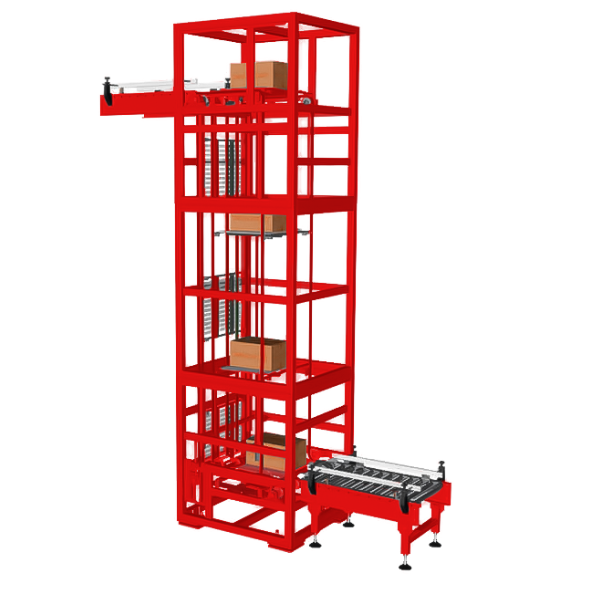
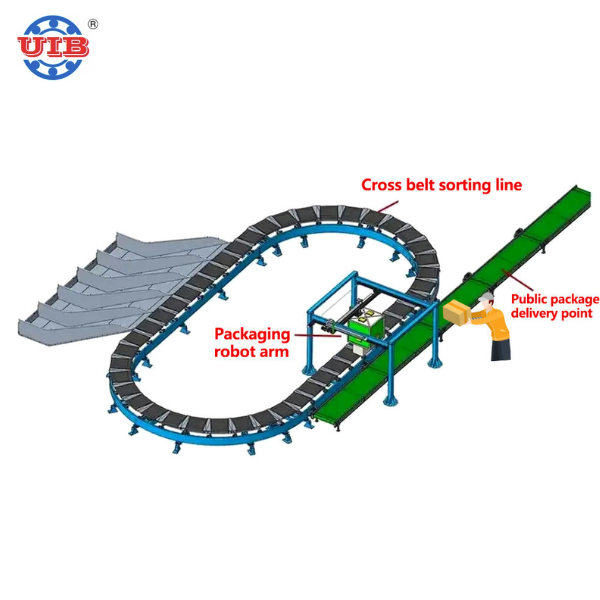
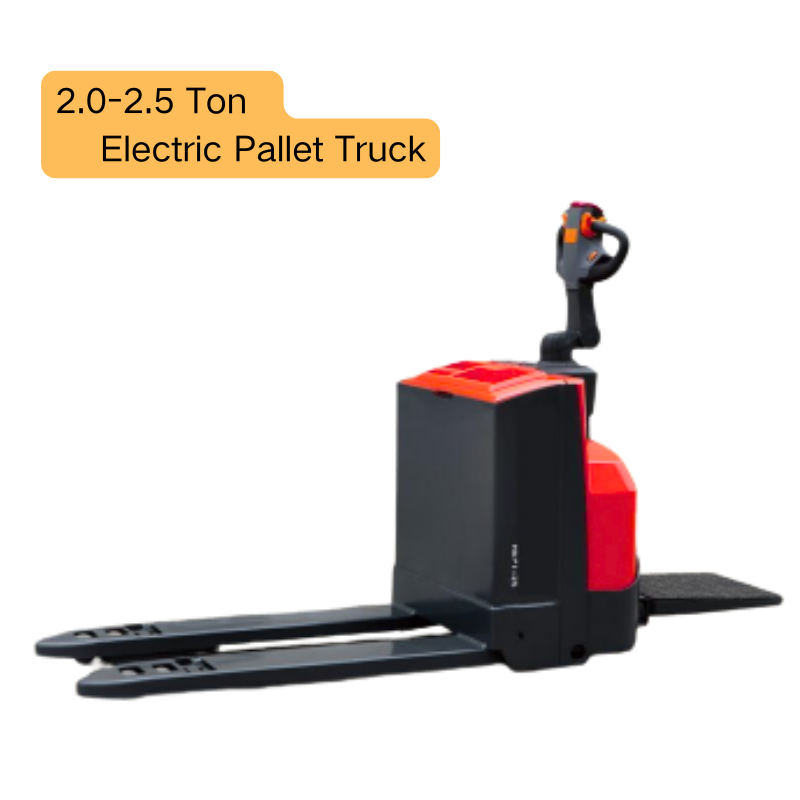
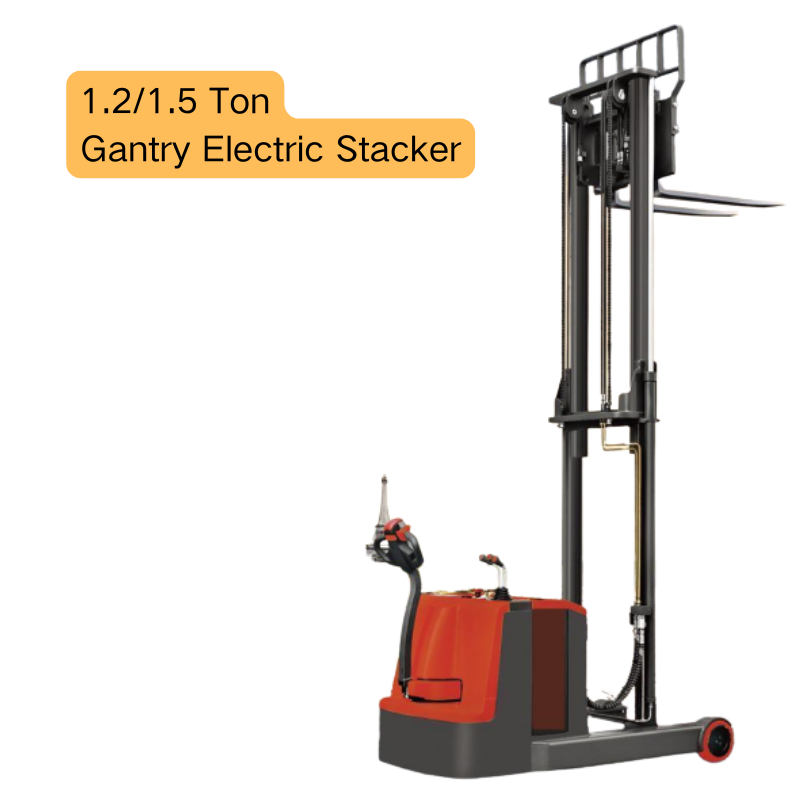
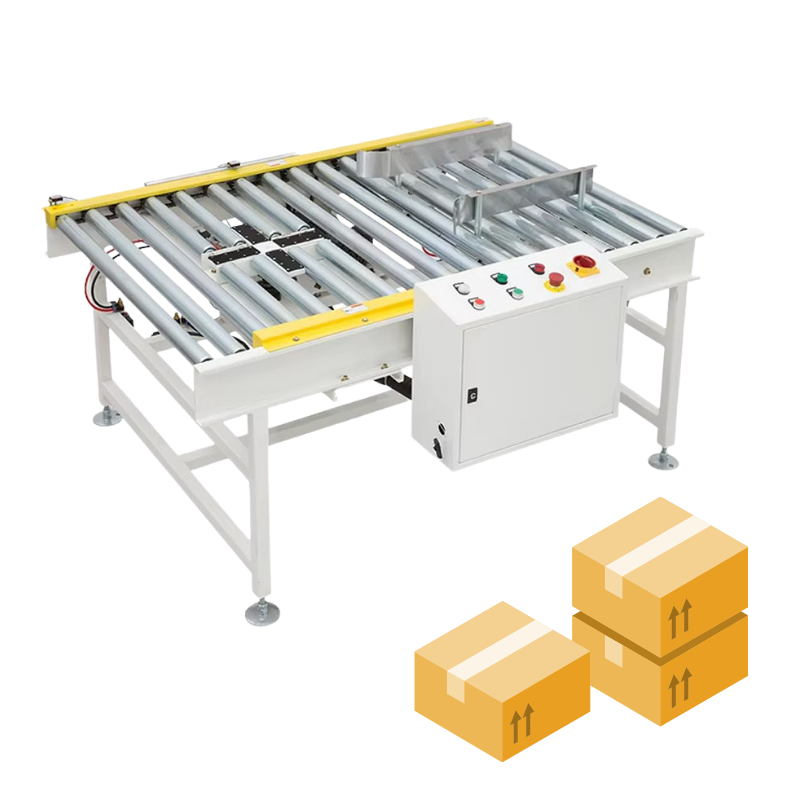
Radionice često daju prednost efikasnosti prostora, a ući u njih može se osjećati kao ulazak u ogromnu slagalicu. Pokušajte voziti velikim dijelom opreme kroz prolaze, i brzo ćete razumjeti borbu dizajnera. Ovdje mogu pomoći transportni materijali. Ovi su konvejeri napravljeni tako da se lako mogu premjestiti na nova mjesta, umjesto da budu stalni dodatak u radionici. Međutim, za prebacivanje jednog kroz uski prolaz još uvijek je potrebno malo iskustva. Nadam se da će ti moji savjeti pomoći da se ne zaglaviš između dva stroja.
Odabir dizajna koji se može stvarno odvaliti je prvi i najvažniji korak. Posvuda je potrebno obratiti pažnju na dimenzije modela koje gledate. Neki proizvođači tvrde da njihovi proizvodi štede prostor, no nisu svi zapravo dizajnirani tako da su kompaktni. Uzmite modele koji se mogu smanjivati kad se ne koriste, tako da zauzimaju manje površine. Ova značajka je neprocjenjiva kada svaki kvadratni metar znači. Prenosni transportni stroj s sklopljivom dužinom i podešavanjem visine daje vam mnogo više svestranosti. Također, obratite pozornost na kotače. Veći kotači mnogo bolje se nose s grubim podovima nego mali. Ako je pod prazan, razvaljen ili nejednak, velike će vam ručice pomoći da ne morate guranje i povlačenje.
Česta greška je pokušati premjestiti transportni transport bez razmišljanja o putu. Možda si u glavi zamisliš jasnu stazu, ali kad počneš gurati, možda udariš u nogu stola ili u žice za napajanje, a da ne primijetiš. Prije nego što pomaknete opremu, odvojite 30 sekundi da hoćete pešačiti. Tražite niže svjetla, oštre uglove polica i labave kabla na podu. Ako vam nešto stoji na putu, odmah ga uklonite umjesto da se kasnije pokušavate probijati. Također, pobrini se da imaš dovoljno prostora za okretanje. Konveyor može biti prilično dug, pa praznina koja odgovara osobi možda ne odgovara dugom stroju. Malo unaprijed planiranja spriječava oštećenje opreme, zidova i strpljenja.
Kvalitetni transportni materijali obično imaju okretne kolice, koje su izuzetno korisne u uskim prostorima radionice. S okretnim kolicima možete promijeniti smjer bez podizanja ili vučenja opreme. No oni također mogu otežati kontrolu konvejera ako niste navikli na njih. Najlakši način da ostanete pod kontrolom je da zaključate rulje koje ne želite pomaknuti. Naprimjer, kad se valjate u ravnoj liniji, zaključajte prednje kolice kako biste spriječili neželjeno kretanje s jedne strane na drugu. Kad morate okrenuti, otključajte ih i koristite stražnje kolice za okretanje. Za vrlo uske točke, pokušajte premjestiti transportni konektor pod uglom umjesto ravno naprijed. Pecanje vam omogućuje da se uklopite kroz otvorove koji su jedva širi od same mašine. Okretne kolice zahtijevaju neku praksu, ali kada ih jednom naučiš, pitat ćeš se kako si se ikada snašao bez njih.
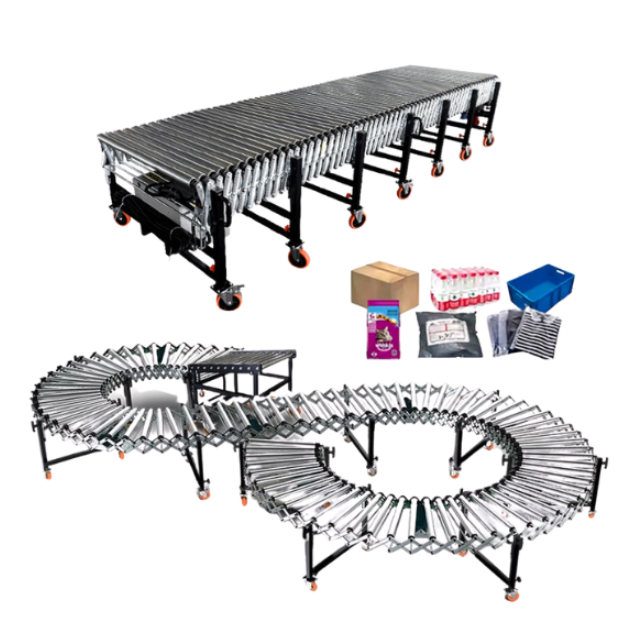
Ne su svi transportni vozila izgrađeni jednako. Neki imaju čvrste okvire koji se ne mogu savijati ili prilagoditi. Drugi, često nazvani fleksibilni valjani transportni vozići, dizajnirani su tako da se mogu proširiti, savijati, pa čak i promijeniti smjer. Ovo su apsolutni spasioci života u gužvama radionice. Možete ih proširiti do skladišta i onda ih sklopiti na dio njihove dužine kada ih ne koristite. Neki modeli vam omogućavaju da ih savijete u krivulje, tako da možete usmjeriti materijale oko prepreka umjesto da pokušavate same pomicati prepreke. Ako se raspored radionice često mijenja ili ako često morate mijenjati opremu za različite poslove, vrijedna je ulaganja fleksibilna transportna mašina za odvođenje. Sposobnost prilagođavanja transportora vašem prostoru, umjesto da prisilite svoj prostor da se prilagodi transportoru, je prava promjena igre.
Ovaj savjet zvuči jednostavno, ali ga se često ignorira. Neuredan pod je neprijatelj bilo koje mobilne opreme. Male stvari poput vijaka, drvenih čipova, plastične folije i ostataka kartona mogu se zakopati u kotače i potpuno vas zaustaviti. Prije nego što pomaknete transportni transport, brzo pretražite područje. Također, provjerite sami vrtači. S vremenom se može nakupiti otpad oko osova kotača, što ih otežava okretati. Nekoliko minuta redovnog čišćenja može značajno produžiti život vaše mašine. Ako je na podu radnje pukotine ili neravne točke, pokušajte se pobrinuti da se izbjegnu najgore. Guranje napunjenog transportnog vozila preko velike pukotine nije samo teško, nego može i otjerati sve što nosite na remenu.
Ako će više ljudi u vašoj radionici pomicati transportne mašine, pobrinite se da svi znaju osnove. Za veće jedinice, jedna osoba gura sa leđa dok drugi vodi sa prednje strane radi najbolje. Objasnite se prije nego što krenete. Jednostavni pozivi poput "guraj lijevo" ili "Stoj sada" mogu spriječiti nesreće. Također, naučite sve kako da zaključavaju i otključavaju rolete kako treba. Možda se to čini zdravoumnim, ali iznenađen bi bio koliko ljudi ima problema s zaglavilim kotrlom samo zato što nisu znali da ima mehanizam za zaključavanje. Pet minuta treninga može uštedjeti satima frustracije i spriječiti oštećenje transportnog vozila i radionice.
Konačno, gdje pohranite transportni transportni materijal je jednako važno kao i kako ga pomaknete. Ako ga gurnete u kut, možda blokirate pristup nečemu drugom ili stvorite opasnost od povrede. Dajte svakom transporteru određeno mjesto za parkiranje. Ako je moguće, izaberite mjesto blizu mjesta gdje ga najčešće koristite, tako da ga ne morate premjestiti daleko. Neke trgovine na zidne nosile objese fleksibilne transportne trakove kako bi pod bio čist. Drugi ih ruše ispod radnih stolova ili između skladišnih polica. Ključ je dosljednost. Kada svi znaju gdje je svaki transportni transportnik, trošite manje vremena na traženje i više vremena na njegovo korištenje.
Prikladni su alat za radionice koje trebaju fleksibilnost. Ali oni vam uštede vrijeme i trud samo ako ih možete učinkovito pomicati kroz uske prostore. Izaberite model koji vam odgovara, planirajte put, mudro koristite rulje, čuvajte pod čistim i pravilno skladištite uređaj. S tim jednostavnim navikama moći ćete proći i najzastupljeniju radionicu bez znoja.
 Najnovije vijesti
2026-01-14
2025-09-25
2025-09-24
UIB Xiamen je 10-godišnja tvornica koja isporučuje prilagođene transportne mašine, strojeve za sortiranje, viličare i strojeve za rukovanje materijalima za logistiku, hladni lanac i proizvodnju. Dostupno besplatno prilagođeno rješenje.
Prostorija 1409, SM International Center, Xingshan Road, Huli District, grad Xiamen, pokrajina Fujian, Kina.
Autorska prava © 2025. UIP (Xiamen) ležaj d.o.o. Politika privatnosti

 EN
EN