 ×
×
Standard Models Are Built for Average Scenarios
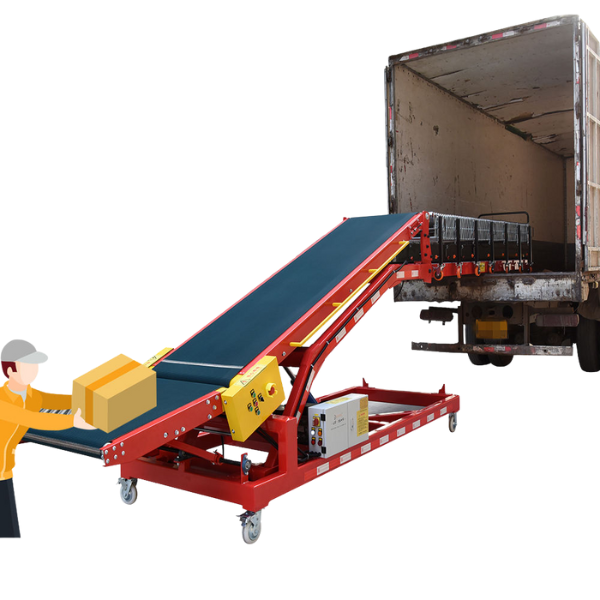
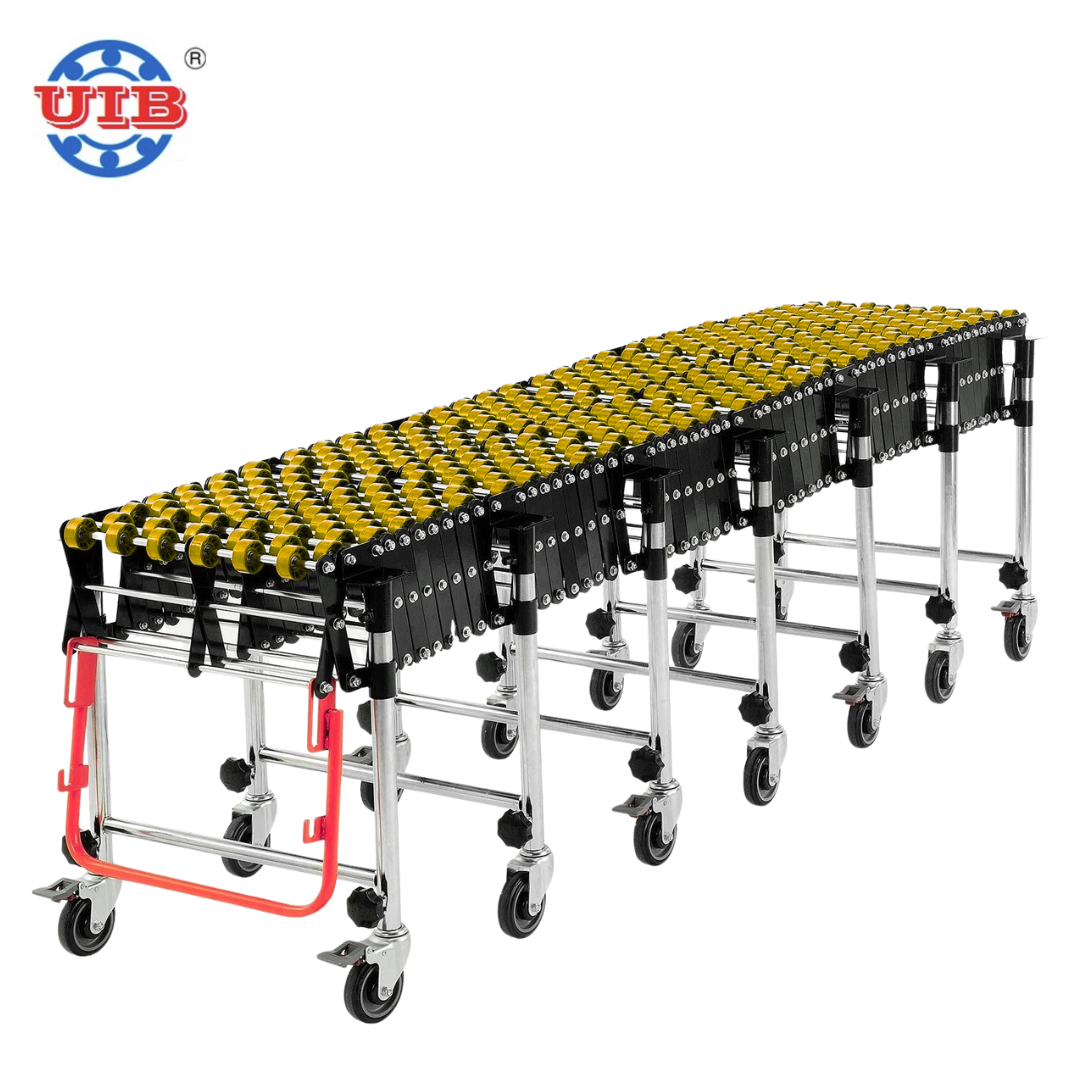
When you start looking into material conveyor systems for your facility, you will quickly notice that the market is full of standard models. These are the off the shelf solutions that manufacturers produce in large quantities. They work great for a lot of common applications. If you are moving standard sized boxes down a straight line at a steady pace, a standard conveyor might be perfectly fine. But here is the thing. Most facilities are not average. They have unique layouts, specific product dimensions, and workflows that have been developed over years to suit particular needs.
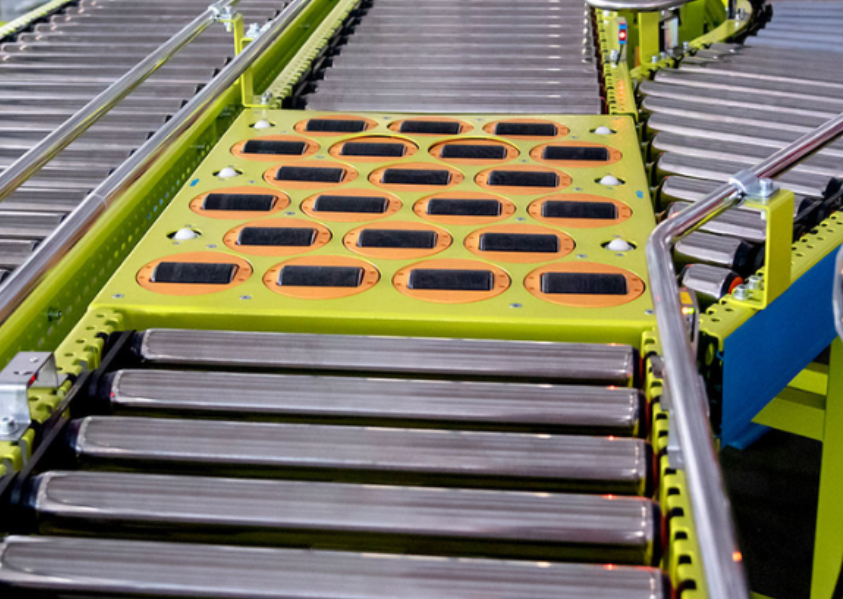
I have walked through enough factories and warehouses to know that almost every operation has something that makes it different. Maybe you have a tight corner that needs to be navigated. Maybe your products are oddly shaped, like long tubes or fragile components that need special handling. Maybe you need to integrate with existing machinery that has a specific infeed height. Standard models are designed to cover the broadest possible range of customers, which means they inevitably make compromises. They are built to fit most situations, but that also means they do not fit any one situation perfectly. When you try to force a standard system into a unique space, you end up making adjustments, adding extra transfer points, or accepting inefficiencies that you should not have to tolerate. This is where the real value of going custom starts to become clear. Instead of bending your operation to fit a machine, you get a machine that is built to fit your operation.
Custom Systems Fit Your Exact Space and Workflow
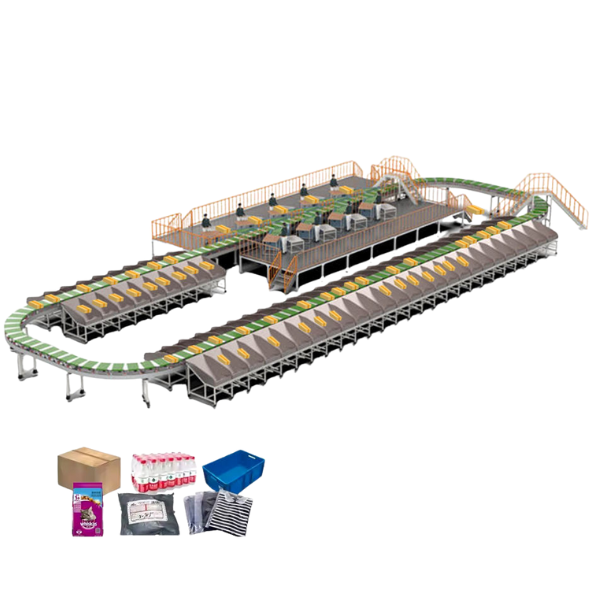
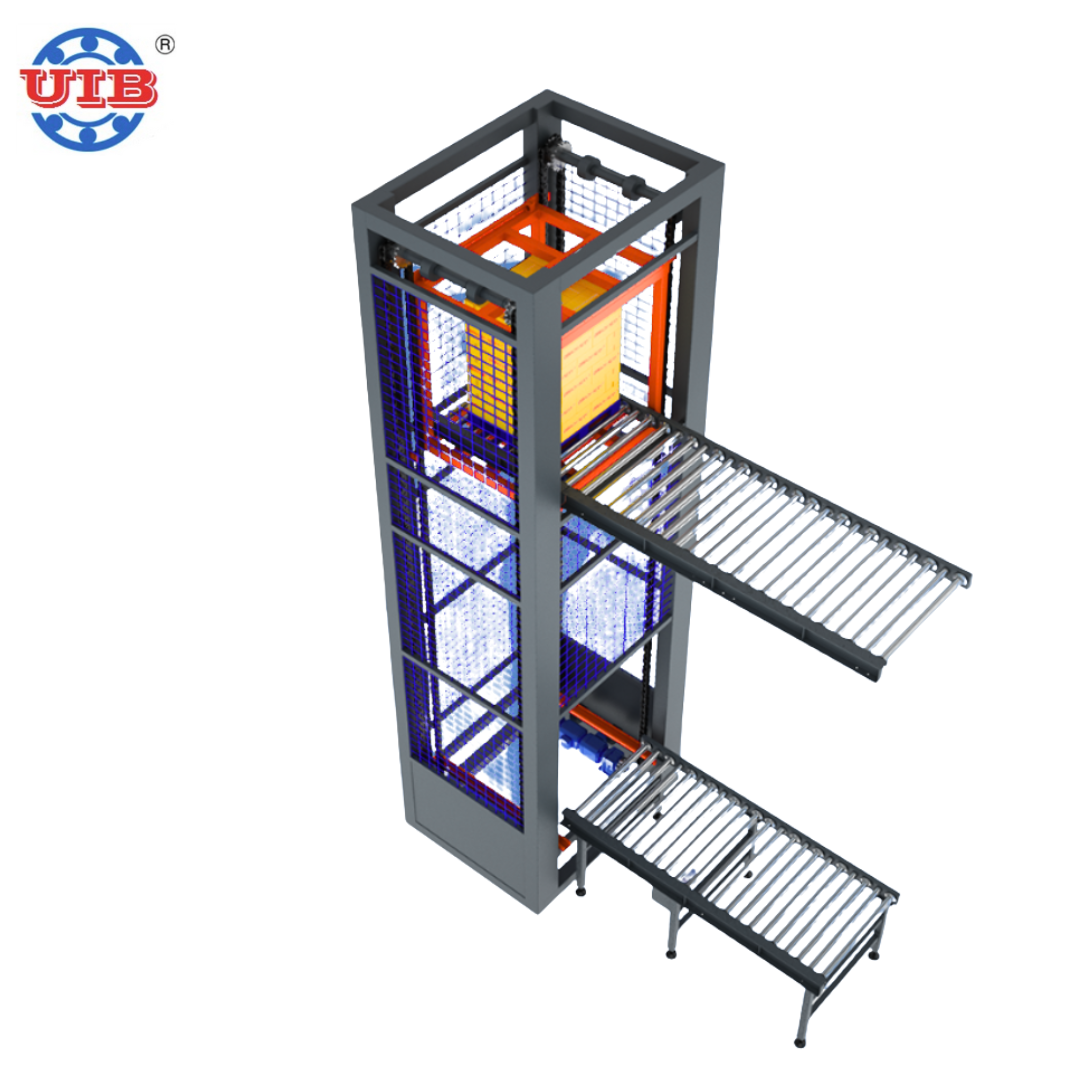
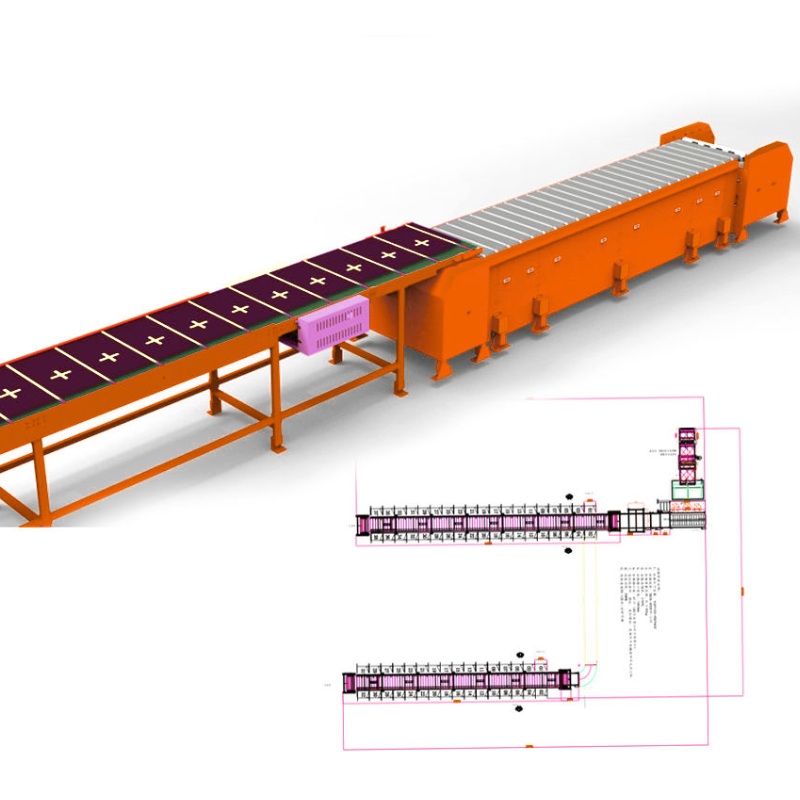
The biggest advantage of choosing a custom material conveyor system is that it is designed specifically for your space and your workflow. This goes way beyond just getting the right length. A custom approach means every aspect of the system is tailored to how you actually work. Think about the physical layout of your facility. Maybe you have columns that need to be worked around. Maybe your floor space is limited, so you need a system that makes use of vertical space or fits into an existing footprint perfectly. A custom system can be designed to snake around obstacles, match the exact height of your existing equipment, and fit into spaces where a standard model simply would not go.
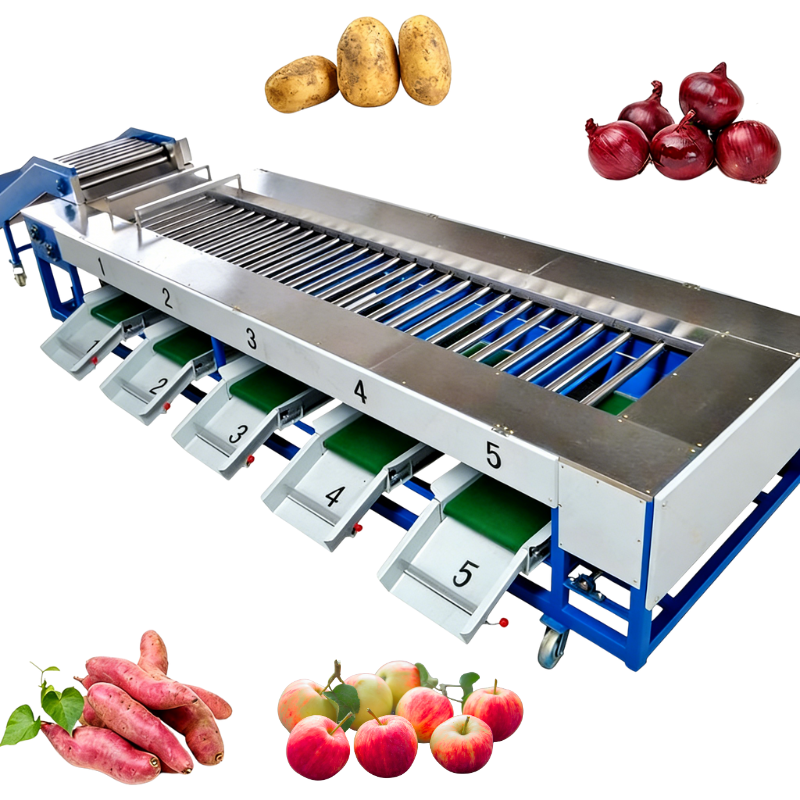
Then there is the workflow itself. How do your products actually move through your process? Do they come in batches or a continuous flow? Do they need to pause at certain stations for inspection or processing? A custom system can be configured to match your exact process flow, not the other way around. You can have precisely placed transfer points, integrated stops, or specialized sections that handle your products exactly the way they need to be handled. Another factor is the product itself. Standard conveyors are designed for typical box shaped items. But what if you are handling something different? Maybe you are moving loose parts that could fall through gaps in a standard roller conveyor. Maybe your products are delicate and need gentler acceleration or deceleration profiles. Maybe they are heavy and need a reinforced frame. A custom system allows you to specify the exact belt type, the roller spacing, the drive system, and every other detail to match your products perfectly. This level of precise fit is something that standard models simply cannot offer.
The Customization Process Reduces Risk and Ensures Success
One concern people often have about custom equipment is that it feels risky. What if the design does not work as expected? What if there are issues that no one thought of until the system is already installed? These are valid concerns, and they are exactly why a good custom manufacturer follows a process that actually reduces risk compared to buying off the shelf. A reputable supplier will not just take your order and start building. They will go through a proper customization process that includes demand connection, sample verification, and drawing conversion.
It starts with a thorough discussion about your needs. This is the demand connection phase. The manufacturer takes the time to understand your products, your space, your workflow, and your challenges. They are not just selling you a machine. They are solving a problem. Based on that understanding, they create a detailed design. But here is where the risk reduction really happens. Before building the full system, a good manufacturer will often produce a sample or a small section for verification. This allows you to test the concept with your actual products. You can see how your items behave on the conveyor. You can check the transfer points. You can verify the speed and the flow. If any adjustments are needed, this is the time to make them. This sample verification step is a game changer. It means that by the time the full system goes into production, the design has already been proven. The final system is built based on verified drawings, not just theoretical plans. This approach dramatically reduces the chances of surprises during installation. When you work with a manufacturer that offers this kind of full process customization support, you are not taking a gamble. You are following a proven path to a solution that you already know works.
Long Term Value and Adaptability for Future Needs
The final reason custom material conveyor systems often outperform standard models comes down to long term value and adaptability. A standard conveyor is what it is. It does one thing in one way, and if your needs change, you may find yourself stuck. A custom system, especially one built with modular principles in mind, can offer flexibility that standard models simply cannot match.
Think about the future. Your business will likely evolve. Maybe you add a new product line. Maybe you reconfigure your facility layout. Maybe you need to increase throughput. A custom system can be designed with future changes in mind. The manufacturer who built it understands your operation and can work with you to modify the system as your needs change. This is very different from buying a standard model from a general supplier who may not even remember your name six months later. Another aspect of long term value is efficiency. A system that fits your operation perfectly will simply run better. It will have fewer jams. It will require less manual intervention. It will move your products smoothly and consistently. Over months and years, those small efficiencies add up to significant savings in time, labor, and product damage. And because the system was built specifically for your products and your environment, it is likely to be more durable as well. It is not being asked to handle loads or conditions it was not designed for. Every component was selected with your specific demands in mind. When you add it all up, the upfront investment in a custom system often pays for itself through better performance, lower operating costs, and a longer service life. For unique needs, standard models just cannot deliver that same combination of fit, performance, and long term value. A custom approach gives you a solution that is built for you, not for everyone else.
 Hot News
UIB Xiamen is a 10-year factory supplying custom conveyor, sorting machine, forklift & material handling machinery for logistics, cold chain & manufacturing. Free customized solution available.
Room 1409, SM International Center, Xingshan Road, Huli District, Xiamen City, Fujian Province, China.
Copyright © 2025 by UIB (Xiamen) Bearing Co., Ltd. Privacy Policy

 EN
EN