 ×
×

खनन कन्वेयर को पहन-फटन के सामने टिके रहने की आवश्यकता होती है, लेकिन इन कठोर परिस्थितियों का सामना करने के लिए इसमें कौन-कौन सी विशेषताएँ आवश्यक हैं?
ड्रैग चेन कन्वेयर इसे क्षरण, धक्का और घर्षण प्रतिरोध के सामने लड़ने के लिए कवच से सुसज्जित होना आवश्यक है। श्रृंखला और कन्वेयर घटकों की सुरक्षा के अतिरिक्त, आपको यह सुनिश्चित करना होगा कि सुरक्षात्मक कवर, आस्तर और घर्षण प्रतिरोधी प्लेटें उपयोग में लाने योग्य हों, ताकि अवरोध का समय कम किया जा सके। इस बात को भी ध्यान में रखें कि उपकरण के संचालन के लिए आवश्यक है कि घटक, श्रृंखला और कवर उपयोग में लाने योग्य हों; अन्यथा, आप भंगुर और अलचनशील कवरों के साथ काम कर रहे होंगे, जो धक्के और क्षरण को बढ़ाएंगे।
उपकरण को इस प्रकार डिज़ाइन किया जाना चाहिए कि कोई भी घटक कन्वेयर के संपर्क में न आए, और संचालन के दौरान कोई भी घटक घिस न जाए। चूँकि श्रृंखला ड्रैग कन्वेयर को कठोर परिस्थितियों के लिए डिज़ाइन किया गया है, अतः सुरक्षात्मक कवरों का उपयोग आवश्यक है; मानक धक्का और घर्षण प्रतिरोधी आस्तर के अतिरिक्त, सुरक्षात्मक कवर उपकरण में घर्षण प्रतिरोधी होंगे।
अंत में, कवर और लाइनिंग उपयोग में लाए जा सकने योग्य होने चाहिए। कवर को बदलने की आवश्यकता के कारण अत्यधिक डाउनटाइम की अनुमति नहीं दी जा सकती है। सभी चीज़ों को इस प्रकार डिज़ाइन किया जाना चाहिए कि सभी घटक उपयोग में लाए जा सकने योग्य बने रहें और घिसावट न्यूनतम हो, अन्यथा उपकरण का कार्यात्मक अवक्षय हो जाएगा।
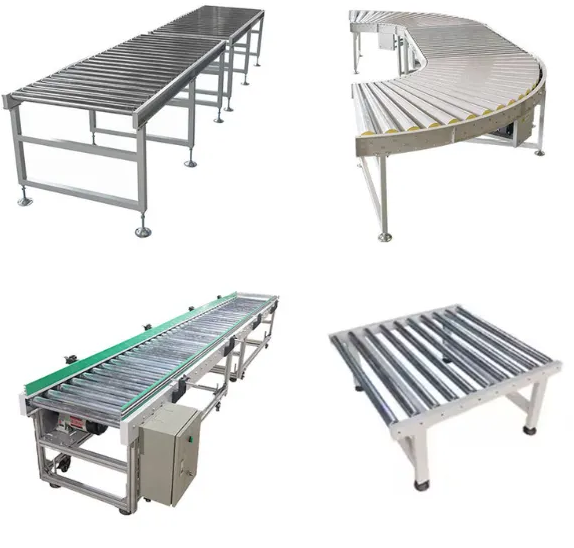
चेन सिस्टम का सबसे महत्वपूर्ण हिस्सा है। यह अपघर्षक सामग्री के एक परत के माध्यम से लोड के पूर्ण भार को खींचती है। खनन के लिए, एक सामान्य चेन पर्याप्त नहीं होगी। आपको उच्च-गुणवत्ता वाले, कठोरीकृत इस्पात से निर्मित चेन की आवश्यकता होगी। सर्वश्रेष्ठ चेन वे होंगी जिनके साथ ऊष्मा उपचार प्रक्रिया (जैसे पूर्ण-कठोरीकरण या पृष्ठ-कठोरीकरण) की गई हो। इससे चेन की बाहरी सतह कठोर और अपघर्षण के प्रति सुरक्षित हो जाती है, जबकि इस्पात का कोर खींचने के तनाव को संभालने के लिए पर्याप्त टैफ़ बना रहता है। चेन की कड़ियाँ इतने बड़े अनुप्रस्थ-काट के साथ बनाई जानी चाहिए कि वे भार को सहन कर सकें तथा खिंचाव और क्षरण के प्रति प्रतिरोधी हों। एक ऐसी चेन जो स्पष्ट रूप से शीघ्र ही क्षरित हो जाती है, उच्च और बार-बार होने वाली प्रतिस्थापन लागत का कारण बनेगी, साथ ही चेन को प्रतिस्थापित करने के लिए उत्पादन को रोकने का भी कारण बनेगी।
कार्यात्मक घिसावट और क्षरण के मामले में, स्प्रोकेट्स को अधिकतम क्षति सहन करने के लिए डिज़ाइन किया गया है, क्योंकि वे चेन का सबसे अधिक चालित और अंतरक्रियाशील भाग होते हैं तथा अधिकतम घर्षण और धक्कों को सहन करते हैं। खनन के लिए डिज़ाइन किए गए स्प्रोकेट को कठोरीकृत इस्पात और घिसावट प्रतिरोधी इस्पात से बनाया जाएगा, ताकि कार्यात्मक घिसावट और क्षरण के सामने प्रभावी ढंग से प्रतिरोध किया जा सके। हालाँकि, स्प्रोकेट की प्रभावशीलता में इंजीनियरिंग और डिज़ाइन की भी महत्वपूर्ण भूमिका होती है। दाँतों का डिज़ाइन इंजीनियरिंग के आधार पर ऐसा किया जाता है कि घर्षण की मात्रा न्यूनतम रखी जा सके, जिससे फिसलन रोकी जा सके और दाँतों की संरचनात्मक अखंडता बनी रहे। कुछ डिज़ाइनों में दाँतों को व्यक्तिगत रूप से हटाकर बदलने की सुविधा होती है। इसका अर्थ है कि यदि कुछ दाँत घिस जाते हैं, तो आपको पूरे बड़े स्प्रोकेट को बदलने की आवश्यकता नहीं होगी; बल्कि आप केवल घिसे हुए दाँतों को हटाकर नए से बदल सकते हैं। इससे समय और धन दोनों की काफी बचत होती है। औद्योगिक अनुप्रयोगों में एक अच्छा निर्माता इन डिज़ाइन विचारों को ध्यान में रखता है।
चेन और सामग्री कन्वेयर ट्रॉफ़ में गति करते हैं। यह ट्रॉफ़ एक प्रमुख घिसावट बिंदु है। भारी, कठोर सामग्री लगातार इसके खिलाफ रगड़ती रहती है। ट्रॉफ़ के स्वयं की रक्षा के लिए—जो कि एक प्रमुख संरचनात्मक घटक है—आपको प्रतिस्थापन योग्य घिसावट लाइनरों की आवश्यकता होती है। ये बलिदानी प्लेटें होती हैं, जो आमतौर पर AR (घिसावट प्रतिरोधी) इस्पात या यहाँ तक कि सिरेमिक जैसी अत्यंत कठोर सामग्रियों से बनाई जाती हैं, और इन्हें ट्रॉफ़ के अंदर बोल्ट द्वारा या किसी अन्य तरीके से स्थापित किया जाता है। ये घिसावट का सबसे अधिक प्रभाव सहन करती हैं। जब ये घिस जाती हैं, तो आप लाइनरों को प्रतिस्थापित करते हैं, पूरे ट्रॉफ़ को नहीं। यह किसी भी खनन कन्वेयर के लिए एक महत्वपूर्ण विशेषता है। ट्रॉफ़ के तल और पार्श्व सतहों को पूर्णतः लाइन किया जाना चाहिए ताकि सामग्री द्वारा स्पर्श की गई प्रत्येक सतह की रक्षा की जा सके।
चेन में फ्लाइट्स नामक अटैचमेंट होते हैं, जो सामग्री को प्रक्रिया के अगले चरण पर धकेलते हैं। चूँकि फ्लाइट्स कन्वेयर का एकमात्र वह हिस्सा हैं जो भार को सीधे स्पर्श करते हैं, अतः उन्हें मजबूत और क्षरण-प्रतिरोधी होना आवश्यक है। फ्लाइट्स आमतौर पर उच्च-गुणवत्ता वाले इस्पात या अन्य मजबूत ढलवां सामग्रियों से निर्मित किए जाते हैं, और उनके सिरों को क्षरण को कम करने के लिए तिरछा (टेपर्ड) बनाया जाता है। फ्लाइट के जीवनकाल को बढ़ाने के लिए, नए फ्लाइट्स के साथ प्रतिस्थापन योग्य वियर शूज़ या कैप्टिवेटेड टिप्स होना सर्वोत्तम होता है। आदर्श रूप से, इस घटक को इस प्रकार डिज़ाइन किया जाना चाहिए कि वह सामग्री परिवहन को अधिकतम करे और अपने ऊपर होने वाले क्षरण को न्यूनतम करे।
कन्वेयर की श्रृंखला और ट्रॉफ़ सबसे अधिक क्षरण का सामना करते हैं, लेकिन शाफ्ट को सहारा देने वाले बेयरिंग धूल और रेत के संपर्क में आ जाते हैं, जो बेयरिंग को नष्ट करने का खतरा पैदा करते हैं। इस धूल के कारण, एक उच्च-गुणवत्ता वाले कन्वेयर में ऐसे बेयरिंग होते हैं जो धूल को बाहर रखने और स्नेहन ग्रीस को अंदर बनाए रखने के लिए शीर्ष-श्रेणी की सीलों का उपयोग करते हैं। कुछ कन्वेयर प्रणालियों में बेयरिंग को स्नेहित करने और उनके जीवनकाल को बढ़ाने के लिए केंद्रीकृत स्नेहन प्रणालियाँ स्थापित की जाती हैं। इन घूर्णन घटकों की सुरक्षा कन्वेयर के सेवा जीवन को बनाए रखने के लिए अत्यंत महत्वपूर्ण है।
कुछ परिस्थितियों में, ऊष्मा उपचारित या मानक स्टील सामग्रियाँ पर्याप्त नहीं हो सकती हैं। उदाहरण के लिए, क्या आपका खनन अनुप्रयोग ऐसी सामग्रियों के साथ संबंधित है जो अत्यधिक संक्षारक हैं या अत्यधिक क्षरण प्रतिरोध की आवश्यकता रखती हैं? यदि उत्तर हाँ है, तो अन्य अधिक विशिष्ट सामग्रियों की आवश्यकता हो सकती है, जैसे संक्षारण-प्रतिरोधी स्टेनलेस स्टील, या यहाँ तक कि सिरेमिक कोटिंग जैसे और अधिक विशिष्ट समाधान। एक अच्छा आपूर्तिकर्ता आपको कई विकल्प प्रदान करने में सक्षम होना चाहिए और आपकी सामग्रियों तथा परिस्थितियों के अनुसार सबसे उपयुक्त विकल्प का चयन करने में आपकी सहायता करने के साथ-साथ आपको सही सिफारिशें भी देने में सक्षम होना चाहिए।
सभी खनन ड्रैग चेन कन्वेयर समान रूप से नहीं बनाए जाते हैं। आपके सामग्री, टनेज और विन्यास के आधार पर, विशिष्ट विशेषताओं की आवश्यकता होगी। यह पूरी तरह से एक अनुभवी पेशेवर के साथ काम करने की आवश्यकता को दर्शाता है। जब आप 10 वर्षों से अधिक के सिद्ध अनुभव वाली एक अनुभवी औद्योगिक कन्वेयर कंपनी के साथ काम करते हैं, तो चुनौतियाँ अधिक स्पष्ट और प्रबंधनीय हो जाती हैं। ऐसे पेशेवर डिज़ाइन से लेकर सामग्री के चयन और निर्माण तक सभी चरणों में योगदान देते हैं, और एक अधिक अनुकूलित अनुभव सुनिश्चित करते हैं, साथ ही खनन से संबंधित अन्य चुनौतियों को भी कन्वेयर में संबोधित करते हैं, ताकि आप अपने खनन अनुप्रयोग के लिए सही घर्षण प्रतिरोधी विशेषताओं के साथ काम कर रहे हों। इसका उद्देश्य आपके जोखिमों को न्यूनतम करना और आपके संचालन में एक बिना रुकावट की, कुशल खनन प्रक्रिया सुनिश्चित करना है।
अवरोध (डाउनटाइम) खनन ऑपरेशन के लिए हानिकारक हो सकता है, क्योंकि प्रत्येक घंटे के लिए जब भी कन्वेयर बंद होता है, उत्पादन में कमी आ जाती है। एक ड्रैग चेन कन्वेयर जो मजबूत, घर्षण प्रतिरोधी विशेषताओं के साथ निर्मित किया गया हो, कोई व्यय नहीं, बल्कि एक निवेश है। कन्वेयर प्रणालियाँ जिनमें कठोरीकृत चेन, टिकाऊ और प्रतिस्थापन योग्य स्प्रोकेट्स तथा बेयरिंग सुरक्षा शामिल होती हैं, खनन की कठोर परिस्थितियों को सहन कर सकती हैं। जब आप सही विशेषताओं वाले कन्वेयर का चयन करते हैं, तो आप स्वयं को निरंतर रखरखाव और मरम्मत के तनाव से मुक्त कर लेते हैं। इसके बजाय, आप अपने ऑपरेशन के उत्पादन पर ध्यान केंद्रित कर सकते हैं। यह महत्वपूर्ण है कि एक ड्रैग चेन कन्वेयर का निर्माण ऐसा किया जाए जो खनन ऑपरेशन की मांगों को सहन कर सके।
UIB शियामेन एक 10 वर्षीय कारखाना है जो लॉजिस्टिक्स, ठंडी श्रृंखला और विनिर्माण के लिए कस्टम परिवहन यंत्र, छंटनी मशीन, फ़ॉर्कलिफ्ट और सामग्री हैंडलिंग मशीनरी की आपूर्ति करता है। मुफ्त कस्टमाइज़्ड समाधान उपलब्ध है।
कमरा 1409, एसएम इंटरनेशनल सेंटर, जिंगशान रोड, हूली जिला, शियामेन शहर, फ़ुज़ियान प्रांत, चीन।
कॉपीराइट © 2025 यूआईबी (शियामेन) बेयरिंग कं, लिमिटेड द्वारा। गोपनीयता नीति

 EN
EN


 ताज़ा समाचार