 ×
×
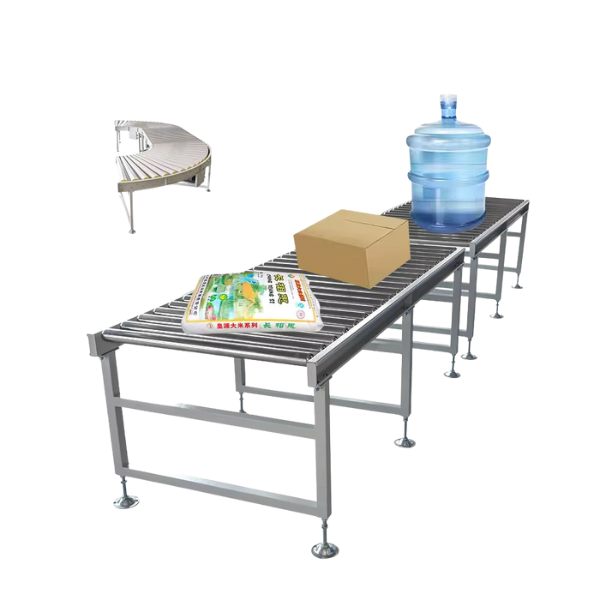
Gravity conveyor systems cut out electricity use completely since they rely on simple slopes to move materials around, which means basically no ongoing energy costs at all. These systems work differently from motor driven ones because their rollers and chutes just sit there doing nothing until something comes along. That makes them really good fit for places where things don't always come through regularly, like warehouses that get busy only certain times of year or factories running in batches. When stuff isn't flowing consistently, those electric systems just sit there chewing up power for nothing, which drives up bills nobody wants to see. Getting rid of that need for electricity helps companies hit their green targets too, without slowing down operations much. The downside? They aren't great for high volume situations, but for moving smaller amounts reliably day after day, they still work pretty well.
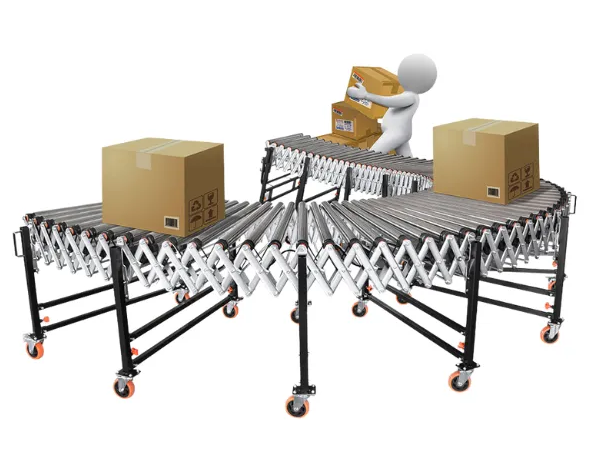
For facilities handling under 500 units/hour, gravity conveyors deliver faster ROI by minimizing three key cost drivers:
With installed costs typically 40–60% lower than automated systems, gravity solutions achieve break-even in under 18 months for most low-throughput applications. Their lower Total Cost of Ownership (TCO) stems from eliminating recurring electrical and mechanical upkeep—especially valuable where intermittent flow renders continuous automation inefficient and over-engineered.
Gravity conveyors are really reliable for places with light traffic because they work mechanically instead of electrically. They cut out all those parts that tend to break down in motorized versions like sensors and controllers. According to some research on materials handling, these systems dodge around 87% of what usually causes maintenance issues in automatic systems, which means facilities using them intermittently see about 40% less downtime overall. The basic design with rollers mounted on frames holds up well even when usage fluctuates throughout the day. Most of the time, all that's needed is occasional checking for wear and regular cleaning to keep things running smoothly.
The durability factor actually means around 30% savings on maintenance over time when compared to those motorized alternatives, according to various warehouse efficiency studies. Warehouses dealing with seasonal rushes or periodic production runs find gravity conveyors particularly useful since they keep running smoothly regardless of how busy things get. Plus there's no need to worry about power outages or having to call in expensive specialists for repairs. The sealed bearings don't require regular greasing either, which cuts down on maintenance headaches. These features make gravity systems especially good fit for facilities focused on keeping operations straightforward and controlling expenses without sacrificing reliability.
Gravity conveyors cut down on physical stress because they use the natural slope of things to move stuff along, so nobody has to push, lift, or carry heavy items manually anymore. When workers handle products at waist level on roller tracks instead of constantly bending over or hefting boxes, it makes a big difference. The Occupational Safety and Health Administration actually cites studies showing back injuries drop around 35% when these systems are in place. Another plus is that since these aren't powered by electricity, there's no risk from frayed wires or other electrical dangers. Plus, controlling how products flow through the system means fewer accidents from things bumping into each other or people slipping. Less physical effort translates to fewer mistakes too. Warehouses that installed gravity conveyors saw about a 27% reduction in accident reports after getting them set up. This kind of improvement helps keep good workers around longer, meets safety regulations better, and ultimately gets more done in operations where hands-on labor remains essential.
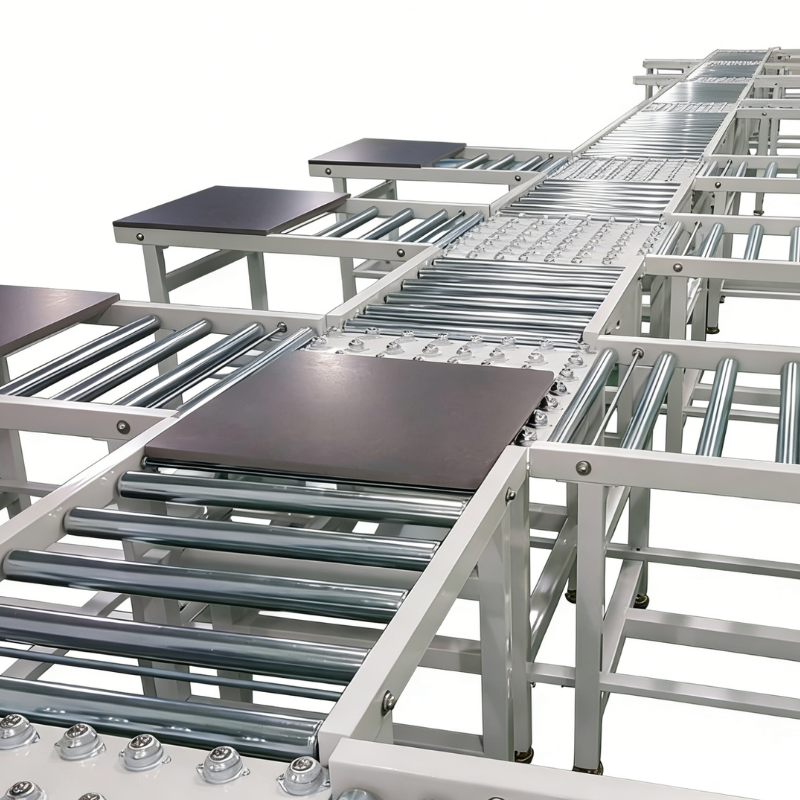
What makes these systems so adaptable? They're built with components that don't need any electricity to work together. Just take apart rollers, curves, and supports, then put them back together again in new configurations. Most times, no tools are needed at all. This means changing layouts takes just a few hours instead of weeks. According to research published last year in the Logistics Flexibility Study, warehouses dealing with all sorts of different sized products like those in e-commerce or during holiday seasons can adjust their conveyor paths about two thirds quicker when they use modular gravity systems. When businesses grow, expansion is straightforward too. Start with simple straight lines and gradually build up to complex multi-lane sorting setups as needed. This approach protects investments because companies aren't stuck with outdated equipment when workflows change. The numbers speak for themselves: over 90 percent of parts get reused whenever there's a system overhaul. That translates into real money savings since relocation expenses drop around half compared to traditional powered conveyor systems.
One large online retail returns center cut down on downtime by almost half after installing gravity conveyor systems over six months ago. Before this change, their old motorized conveyors would break down 3 to 5 hours every day because of mechanical issues and power problems when returns spiked. Switching to those simple gravity rollers that don't need electricity worked wonders for them. These systems handle all those small packages weighing under 25 pounds without stopping. Workers spent 31% less time fixing mistakes and each pallet moved through the system 19 minutes faster than before. No wires or motors means no short circuits during those mandatory facility cleanings either something that constantly plagued their previous setup. Fixing things cost way less too maintenance expenses fell around two thirds once techs stopped chasing broken motors and started checking rollers regularly instead. The whole investment paid itself back in just 14 months which beats what they could have gotten from powered systems by about ten months for facilities handling fewer than 500 items per hour. Plus, these modular systems can be rearranged quickly when return season hits hard meaning they stay flexible without burning extra power.
 Hot News
UIB Xiamen is a 10-year factory supplying custom conveyor, sorting machine, forklift & material handling machinery for logistics, cold chain & manufacturing. Free customized solution available.
Room 1409, SM International Center, Xingshan Road, Huli District, Xiamen City, Fujian Province, China.
Copyright © 2025 by UIB (Xiamen) Bearing Co., Ltd. Privacy Policy

 EN
EN