News Brief
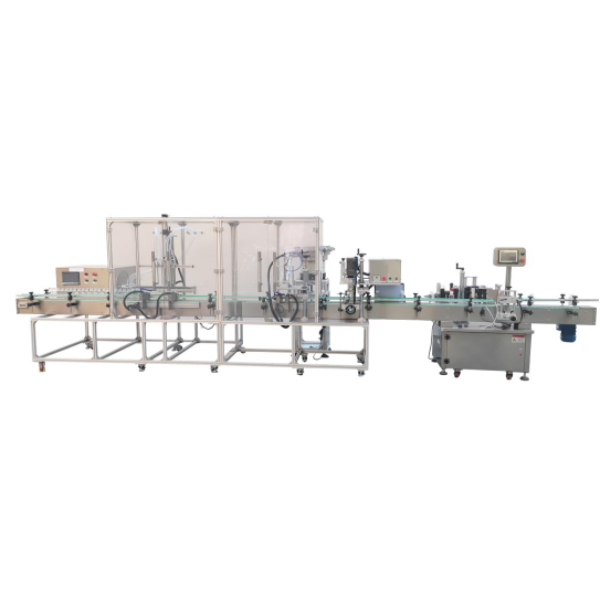
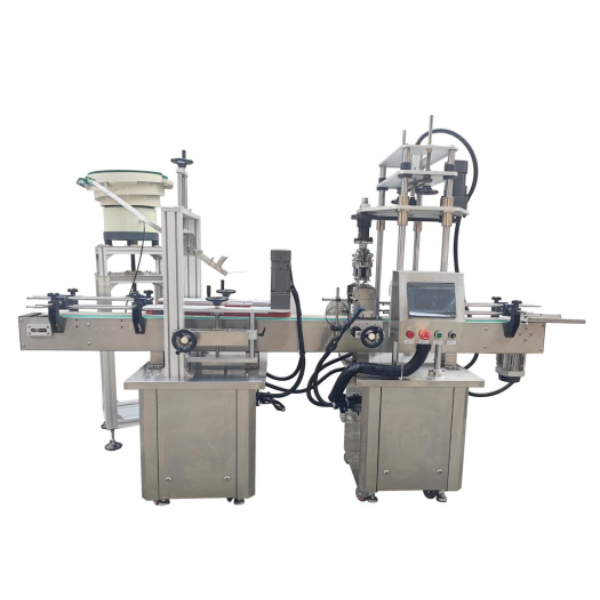
Food processing manufacturers are constantly seeking hygienic, flexible, and cost-efficient production solutions to meet evolving food safety standards and diverse market demands. Traditional integrated pasteurization lines feature fixed structures, poor scalability, high maintenance costs, and rigid operation modes, which can no longer adapt to modern flexible production. Our company’s modular pasteurization lines, supported by customized modular roller conveyors, intelligent automatic sorting equipment, and integrated food processing production lines, completely optimize the traditional pasteurization process. This article elaborates on the core differences between our modular pasteurization solutions and traditional systems, highlighting unique advantages in flexibility, hygiene, efficiency, and cost control for food processing enterprises.
Full Article
Pasteurization is a core link in food processing, widely applied in beverage, dairy, canned food, pickled food, and snack production. The performance of pasteurization production lines directly determines food safety standards, product shelf life, and enterprise production efficiency. For a long time, most food factories have adopted traditional integrated pasteurization lines with fixed conveyor structures and one-piece design. However, with the upgrading of small-batch, multi-variety, and customized food production, the drawbacks of traditional equipment have become increasingly prominent. As a professional manufacturer of modular roller conveyors, automatic sorting systems, and integrated food processing production lines, we have independently developed upgraded modular pasteurization lines to solve the pain points of traditional equipment.
1. Structural Design: Modular Flexible Splicing vs Traditional Fixed Integration
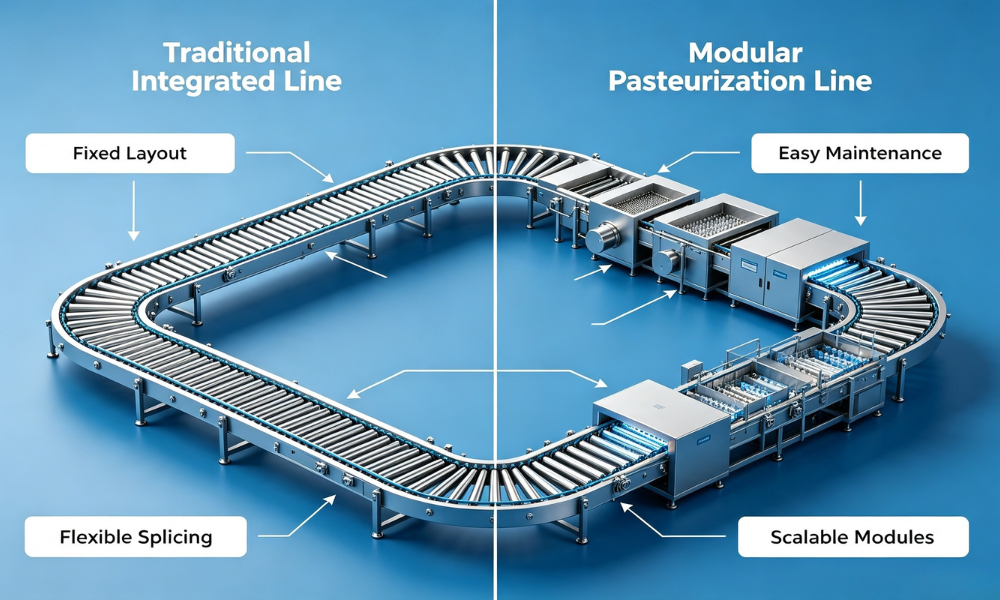
The biggest core difference between our pasteurization line and traditional equipment lies in the structural design logic. Traditional pasteurization lines adopt an integral welded and fixed structure, with integrated conveyor frames, heating zones, cooling zones, and sorting sections. Once installed, the equipment layout, production length, and functional zones cannot be adjusted, resulting in poor production flexibility. Whether enterprises need to expand production capacity, adjust production processes, or switch product specifications, the traditional integrated line requires overall transformation or even replacement, which is time-consuming and costly.
Our pasteurization line adopts a standard modular design, matched with our core modular roller conveyor system. The entire production line is composed of independent standardized modules including feeding conveyor module, constant-temperature pasteurization module, rapid cooling module, air-drying module, and automatic sorting module. Each module can be freely spliced, disassembled, and replaced according to production demands. Enterprises can flexibly adjust the line length, increase or reduce functional units, and rearrange process sequences based on product types and output requirements. This modular design perfectly adapts to small-batch, multi-style flexible production and solves the rigid layout problem of traditional fixed lines.
2. Conveying Performance: Precise Stable Operation vs Traditional Rough Transmission
Conveying stability is the key to ensuring consistent pasteurization quality. Traditional pasteurization lines are equipped with ordinary integral belt conveyors or fixed roller conveyors, which have single speed regulation, large operation vibration, and uneven material transmission. During continuous operation, food materials are prone to extrusion, collision, and offset, leading to inconsistent heating and cooling effects, affecting product taste and shelf life. In addition, traditional conveying structures have large friction and poor synchronization, resulting in low overall line operation efficiency.
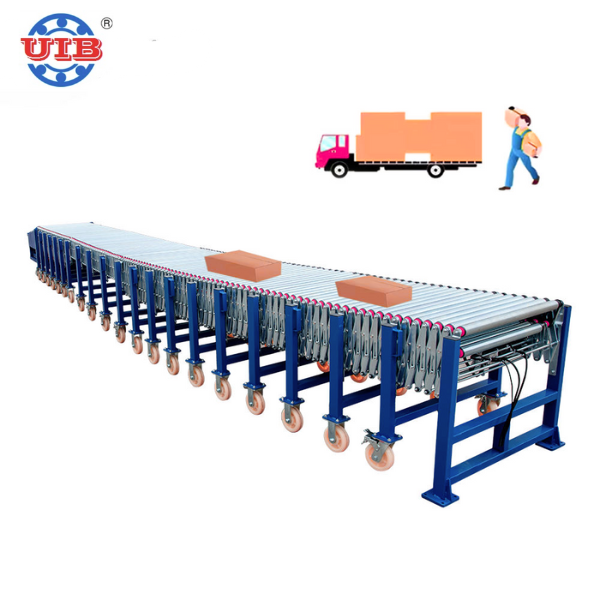
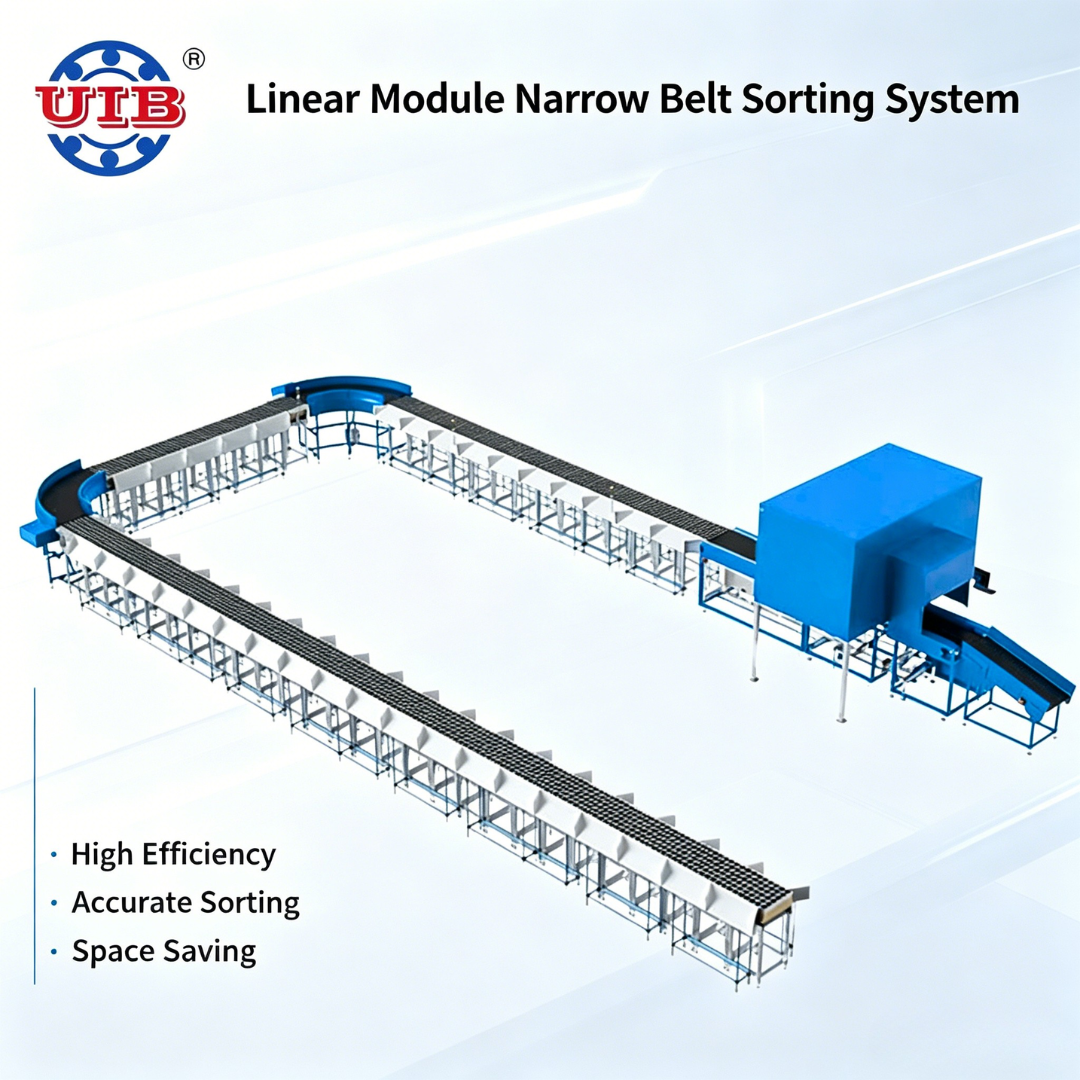
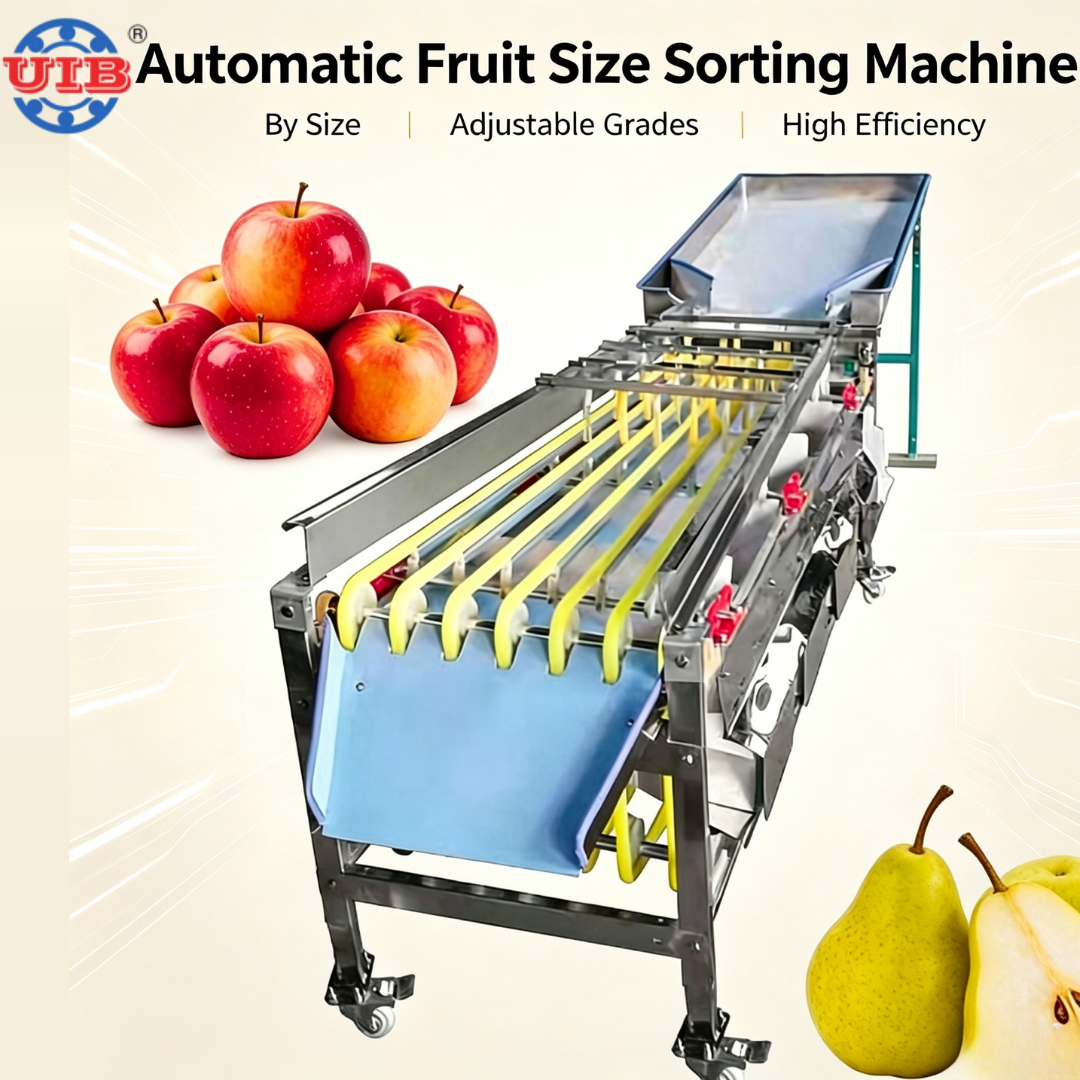
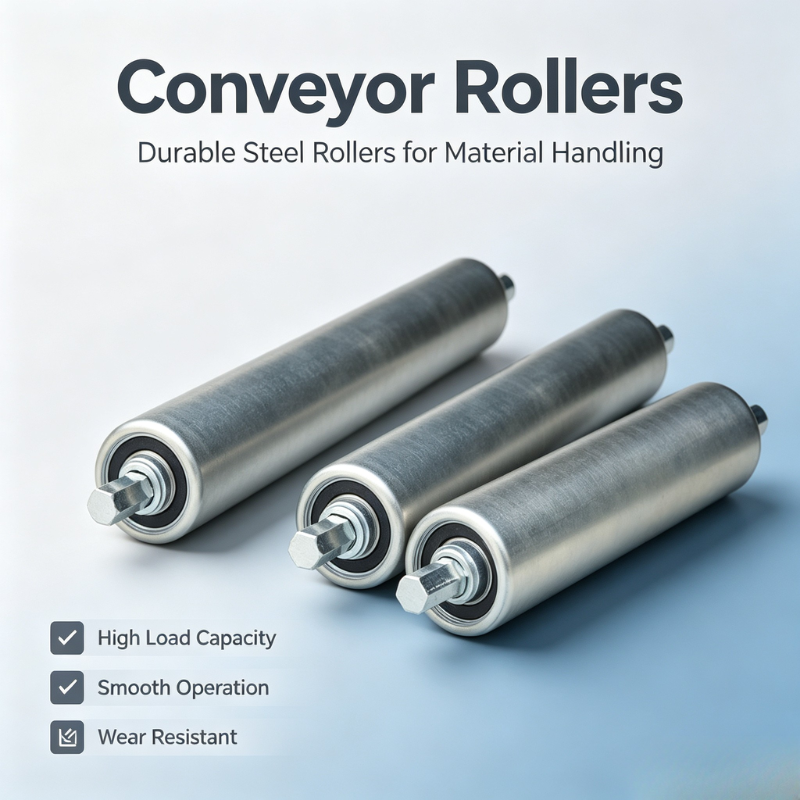
Our supporting custom modular roller conveyor is professionally optimized for food pasteurization scenarios. The high-precision roller unit realizes independent zone speed regulation and synchronous operation, with stable material transmission and no extrusion or deviation. The modular roller structure features low friction, wear resistance, and waterproof and anti-corrosion properties, fully adapting to the high-temperature and humid working environment of pasteurization workshops. Meanwhile, matched with our intelligent automatic sorting equipment, the line realizes automatic identification, screening, and sorting of unqualified products after pasteurization, avoiding manual sorting errors and greatly improving product qualification rate compared with traditional lines relying on manual auxiliary sorting.
3. Hygiene & Maintenance: Easy Clean Low Maintenance vs Traditional Difficult Upkeep
Food processing equipment must meet strict food-grade hygiene standards. Traditional integrated pasteurization lines have complex internal structures, many dead corners, and integrated closed designs. Dirt, food residues, and water stains are easy to accumulate inside the equipment, which is difficult to thoroughly clean and disinfect, bringing hidden dangers to food safety. Moreover, once a certain part of the traditional line fails, the whole equipment needs to be shut down for overall inspection and maintenance, resulting in long downtime and serious production loss.
Our modular pasteurization line fully considers hygiene and maintenance demands in design. All modules adopt open and detachable structures with smooth food-grade stainless steel surfaces, no cleaning dead corners, and easy daily flushing and disinfection. When a single module or conveyor unit fails, it can be independently disassembled, maintained, or replaced without affecting the normal operation of other modules, greatly shortening maintenance downtime. The standardized modular accessories are highly universal, reducing equipment maintenance costs and spare parts inventory pressure, which is far more convenient and economical than traditional integrated equipment.
4. Space & Cost Efficiency: Compact Expandable vs Traditional High-Consumption Layout
Traditional integrated pasteurization lines occupy a large fixed space with redundant buffer sections and bulky integral structures, which cannot make efficient use of workshop space. For small and medium-sized food processing enterprises, the fixed large-space layout increases site rental and operation costs. In addition, the one-time investment of traditional equipment is high, and the equipment cannot be reused after production upgrading, resulting in serious resource waste.
Our modular pasteurization production line features a compact and optimized layout. The modular combined structure saves 20%-30% of workshop space compared with traditional lines of the same production capacity. Meanwhile, the split modular design realizes phased investment and gradual expansion. Enterprises can configure basic modules according to initial production demands and add functional modules and conveyor units later with business expansion, avoiding excessive early investment. The reusable modular components also greatly reduce the long-term production and iteration costs of enterprises.
5. Intelligent Upgrading: Custom Automatic Control vs Traditional Single Manual Control
Most traditional pasteurization lines adopt single fixed program control, with fixed temperature, time, and speed parameters, lacking intelligent adjustment functions. When switching different food products, manual parameter debugging is required repeatedly, which has low automation and poor production consistency.
Our integrated food processing production line is equipped with an intelligent centralized control system, which can independently set and store pasteurization parameters for different products. It supports automatic temperature adjustment, speed matching, and fault early warning, realizing full-automatic unmanned operation from feeding, pasteurization, cooling to sorting and discharging. Combined with our automatic sorting equipment, it realizes intelligent screening of defective products, precise production data statistics, and traceable production management, helping enterprises realize standardized and intelligent production upgrading.
Conclusion
Compared with traditional integrated pasteurization lines, our modular pasteurization solutions achieve comprehensive upgrades in structural flexibility, conveying stability, food hygiene, maintenance efficiency, space utilization, and intelligent production. Relying on core products including modular roller conveyors, automatic sorting equipment, and integrated food processing production lines, we provide customized, flexible, energy-saving, and efficient one-stop pasteurization production solutions for food processing enterprises of all sizes. In the era of flexible and intelligent food manufacturing, modular and customizable food processing lines will become the mainstream choice to help enterprises reduce costs, improve efficiency, and comply with high-standard food safety production requirements.
 ×
×
 Hot News

 EN
EN