 ×
×
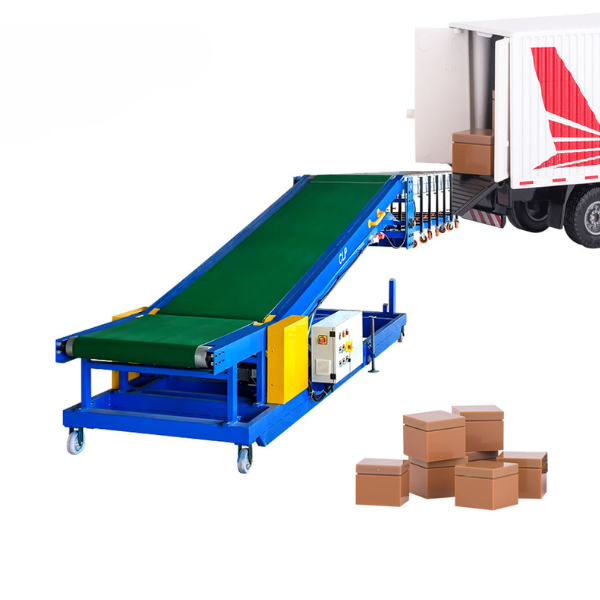
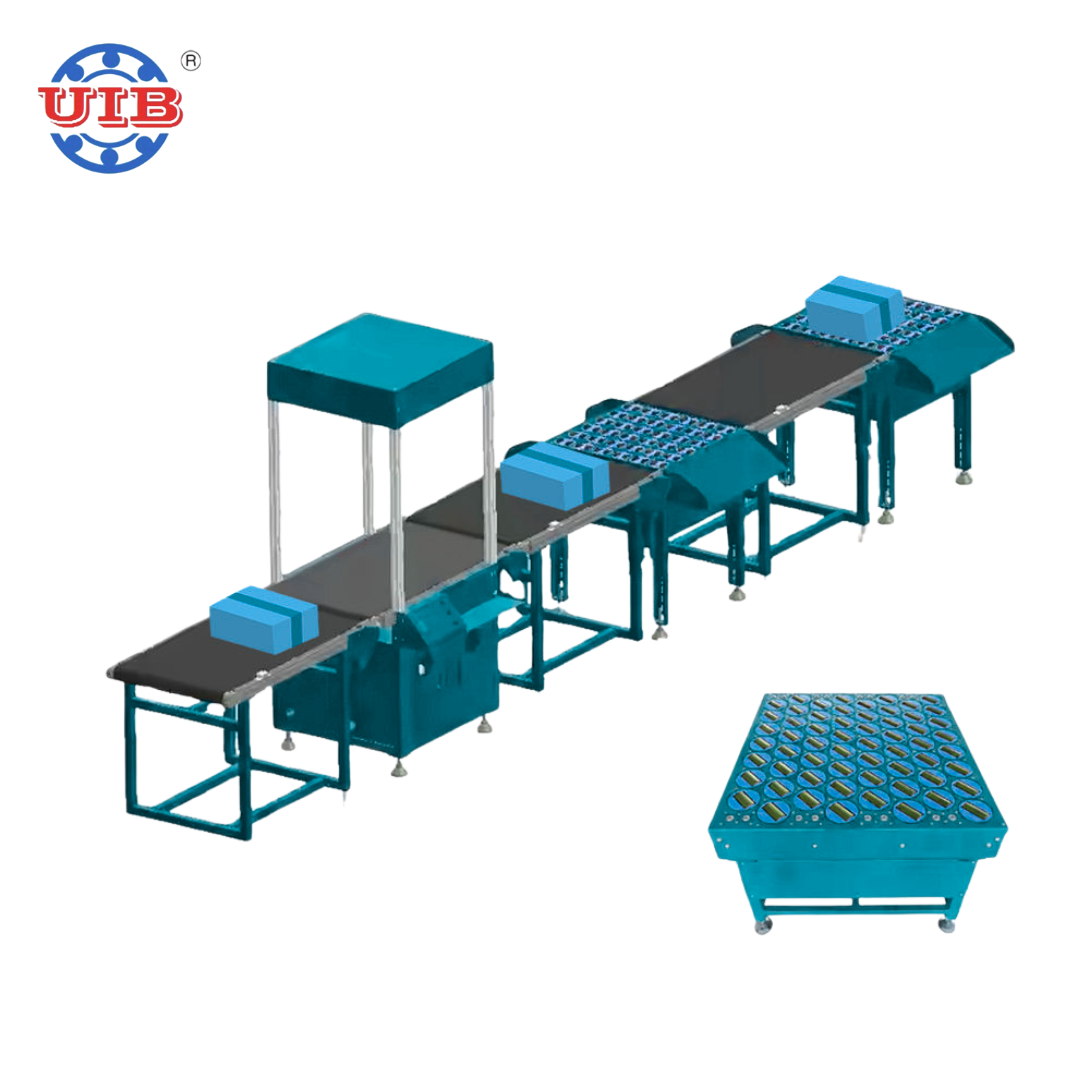
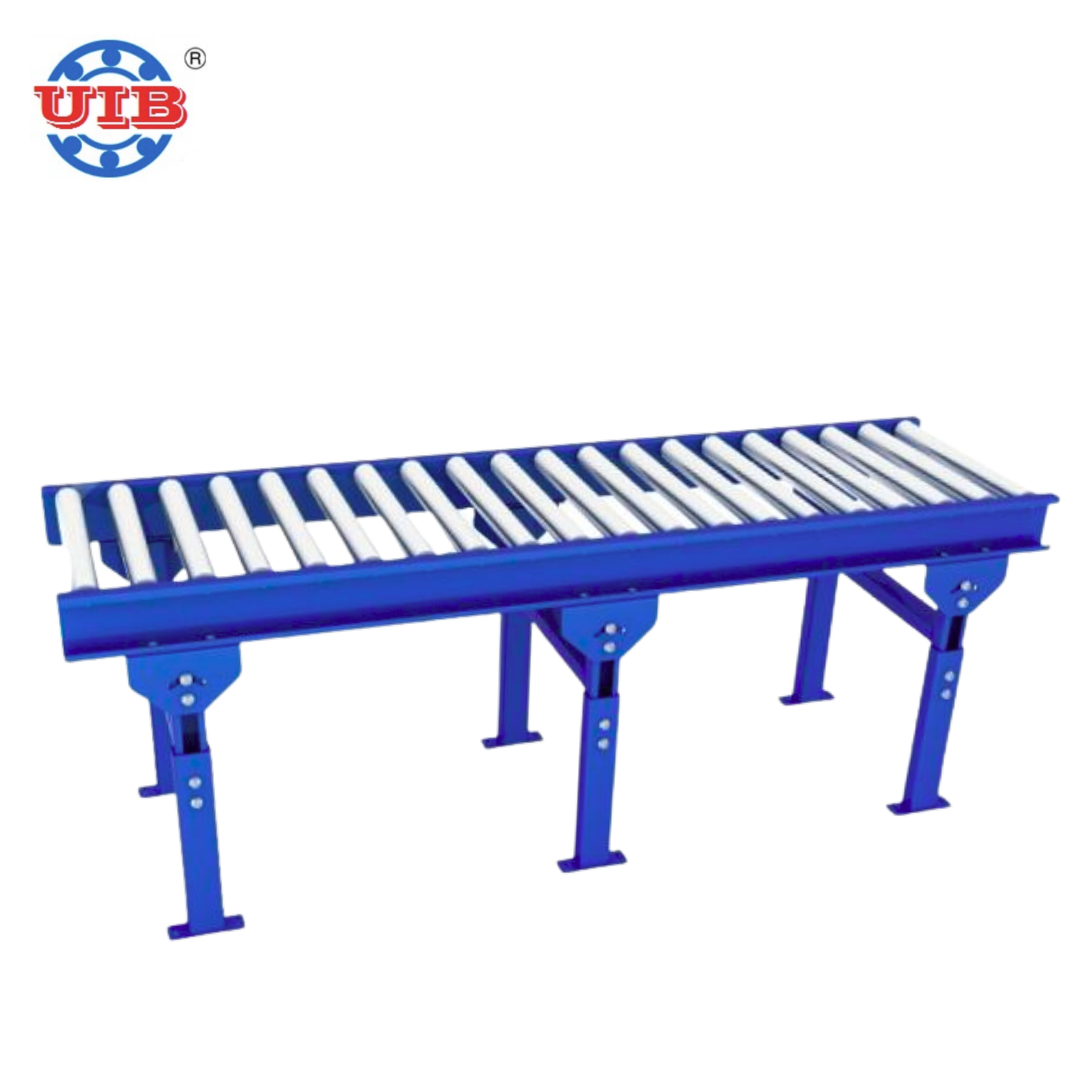
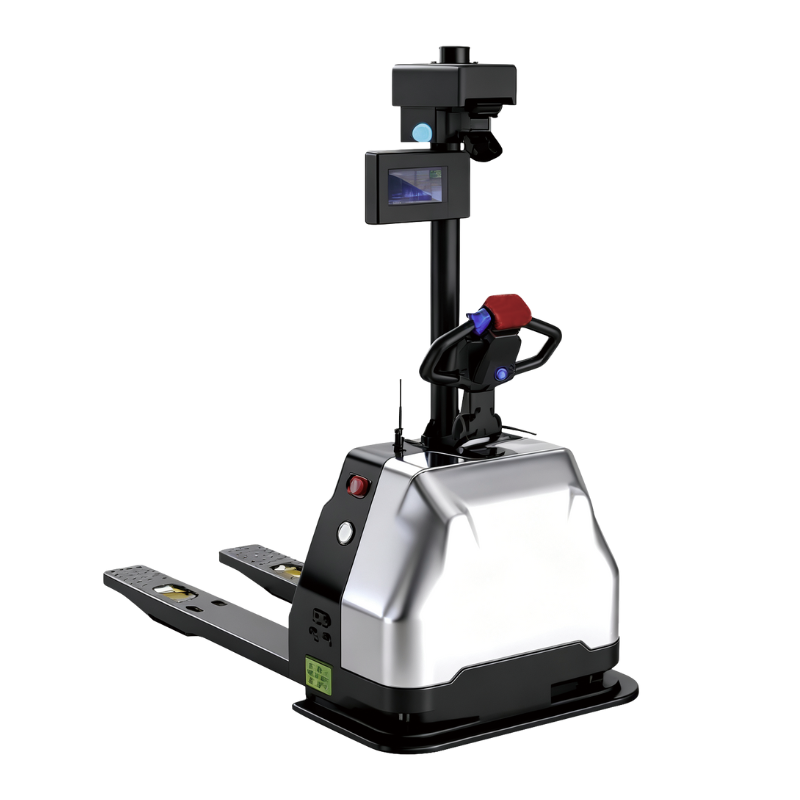
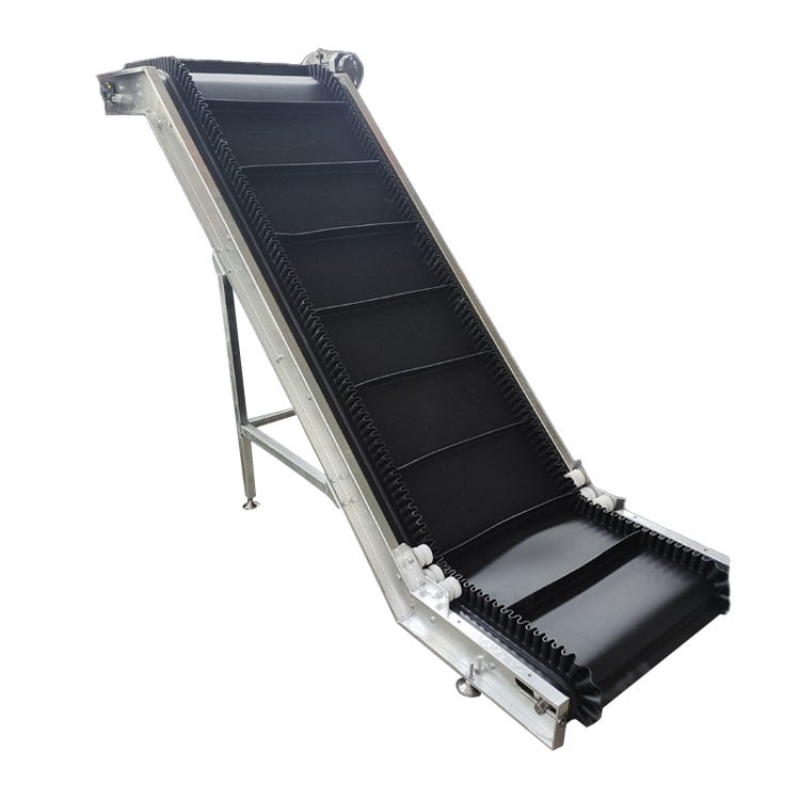
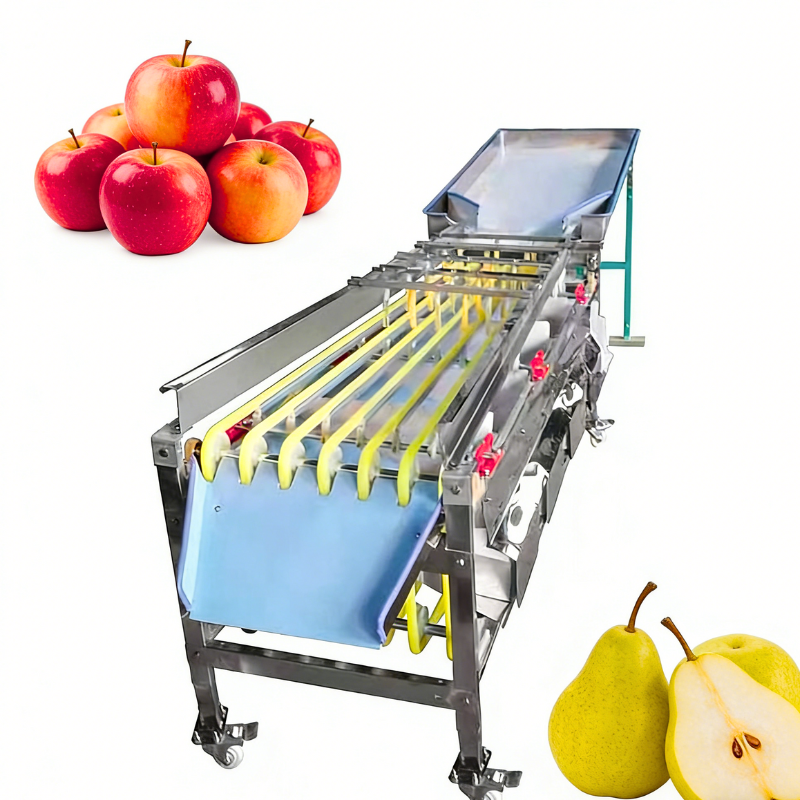
At UIB (Xiamen) Bearing Co., Ltd., we understand that temperature is one of the most critical factors affecting conveyor performance and longevity. With over a decade of experience in industrial conveying, a dedicated team of R&D engineers, 118 production machines, and a 1000+ m² manufacturing facility, we specialize in delivering robust sorting–conveying–lifting solutions for logistics, intelligent manufacturing, food processing, pharmaceutical, and chemical sectors. Our comprehensive product range—including automatic sorting machines, incline conveyors, roller conveyors, vertical conveyors, forklifts, and packaging machines—is precision‑engineered to perform reliably across the most demanding temperature environments.
Conveyor belts, particularly those made of PVC, undergo significant changes when exposed to temperature extremes. In cold storage facilities operating below freezing, standard PVC belts lose flexibility and become prone to micro‑cracking, leading to premature failure. Conversely, when temperatures rise above recommended levels, the belt softens, plasticizers migrate, and surface tackiness increases—resulting in reduced grip and accelerated wear. Facilities operating in consistently high‑heat environments often experience substantially shorter belt life compared to those with controlled climates.
UIB's conveyors are specifically designed to combat these challenges. We offer customized belt formulations and structural adaptations that ensure stable operation across a wide temperature range, tailored to your specific application requirements.
PVC's molecular structure responds to heat by elongating polymer chains, weakening intermolecular bonds and reducing tensile strength. Prolonged exposure to elevated temperatures triggers plasticizer migration, causing the belt surface to become sticky and attract debris. In extreme cold, plasticizers stiffen, turning the belt brittle and significantly reducing its ability to absorb impact.
UIB's engineering team addresses these issues through:
Material Selection: We offer standard PVC belts for general temperature ranges, as well as cold‑resistant formulations that maintain flexibility well below freezing, and high‑temperature variants engineered for sustained performance in hot environments.
Structural Design: Our incline, roller, and vertical conveyors incorporate thermal expansion compensation features, ensuring precise tracking and consistent tension regardless of ambient temperature swings.
Smart Monitoring: For critical applications, we can integrate thermal sensors and provide optional heat‑deflection coatings that help manage surface temperatures, protecting both the belt and downstream equipment.
When conveyor belts are subjected to prolonged high temperatures, molecular degradation accelerates. Belts may experience dimensional changes and loss of tensile strength, while in extreme cases, material breakdown can affect pulleys and sensors—particularly in humid conditions where chemical processes intensify.
UIB's high‑temperature solutions include:
Specialized PVC Compounds: Our heat‑resistant belts are formulated to tolerate continuous operation at elevated temperatures, with significantly longer service life than standard belts in hot environments.
Cooling Protocols: For facilities handling hot materials, we recommend regular belt thickness inspections and appropriate cooling intervals during high‑throughput operations—practices that substantially reduce wear rates.
Corrosion‑Resistant Components: All pulleys and frames in our high‑heat conveyors can be specified with protective coatings or stainless steel construction to withstand any off‑gassing or harsh conditions.
In sub‑zero environments, molecular rigidity increases, leading to tensile strength loss and embrittlement. Frozen food facilities and cold storage warehouses face particular challenges, with micro‑cracking being a common cause of premature belt replacement. UIB's cold‑resistant conveyors feature:
Advanced Plasticizers: Formulations with enhanced plasticizer content maintain flexibility at low temperatures, ensuring reliable operation even in deep‑freeze conditions.
Pre‑Shift Testing: We equip clients with simple flexibility check protocols that help identify potential issues before they cause downtime. Facilities using our systems have reported significant reductions in cold‑related disruptions.
Thermal Break Frames: Our roller and vertical conveyors can be specified with insulated mounts to prevent cold bridging, ensuring smooth start‑up even after extended idle periods in freezing environments.
Food Processing
UIB's conveyors excel in environments ranging from freezing to hot sanitation cycles. Smooth belt surfaces inhibit bacterial adhesion, helping facilities meet stringent food safety standards. Plants using temperature‑stable conveyor systems consistently report improved hygiene outcomes compared to legacy equipment.
Packaging Lines
In warehouses where temperatures fluctuate significantly throughout the day, UIB's PVC belts maintain excellent dimensional stability and tracking. Even in high‑humidity conditions, our belts demonstrate minimal dimensional change over thousands of hours of continuous operation.
Case Study: Seasonal Manufacturing
A automotive parts plant operating in a region with extreme seasonal temperature variations implemented UIB conveyors across their production lines. Over an extended evaluation period, the facility achieved:
Reduced tensile strength loss compared to industry averages
Lower energy consumption than typical for their facility type
Extended intervals between maintenance interventions
The plant realized substantial reductions in temperature‑related downtime while maintaining consistent throughput throughout seasonal extremes.
UIB offers end‑to‑end customization—from belt formulation to complete conveyor architecture—to match your specific temperature and environmental requirements. Whether you need:
Explosion‑proof designs for chemical processing facilities
Corrosion‑resistant coatings for marine or coastal installations
Smart controls with real‑time temperature monitoring capabilities
Integrated sorting, inclining, or vertical lifting in a single automated line
Our experienced R&D engineering team works closely with you to deliver a solution that maximizes uptime, optimizes performance, and minimizes total cost of ownership.
With over a decade of industrial experience, advanced manufacturing capabilities, and a substantial production facility, UIB (Xiamen) Bearing Co., Ltd. is your trusted global partner for robust, temperature‑resistant conveyor systems. From food processing to heavy manufacturing and everything in between, our products keep your line moving—no matter the weather or working conditions.
 Hot News
UIB Xiamen is a 10-year factory supplying custom conveyor, sorting machine, forklift & material handling machinery for logistics, cold chain & manufacturing. Free customized solution available.
Room 1409, SM International Center, Xingshan Road, Huli District, Xiamen City, Fujian Province, China.
Copyright © 2025 by UIB (Xiamen) Bearing Co., Ltd. Privacy Policy

 EN
EN