 ×
×
When it comes to food conveyor systems, smooth surfaces really make a difference because they leave fewer spots for particles to stick around. Tests show these surfaces cut down on residue buildup by about 40% when compared with those rougher alternatives according to Fusetech's research from 2025. The importance here cannot be overstated for anyone working in food processing plants since even small amounts of leftover material might cause problems with cross contamination between different products. Stainless steel stands out as one of those non porous materials that basically helps itself stay clean. During regular cleaning cycles, water and all sorts of cleaning solutions just run off instead of getting trapped along with bits of organic stuff that could spoil everything later on.
Tiny cracks and scratches on conveyor belts become hiding spots for food debris and dangerous bacteria. Research shows that even a small 0.5mm gap can collect around 100 million colony forming units per square centimeter of Listeria after just eight hours running. Regular cleaning methods simply aren't enough to reach these microscopic nooks, often needing three times the usual scrubbing to pass safety inspections. That's why today's food processing equipment is increasingly built with electropolished surfaces that have a finish smoother than 0.8 microns roughness average. This ultra-smooth surface prevents those pesky bacteria from taking root in the first place, making maintenance much easier for plant workers who deal with these challenges daily.
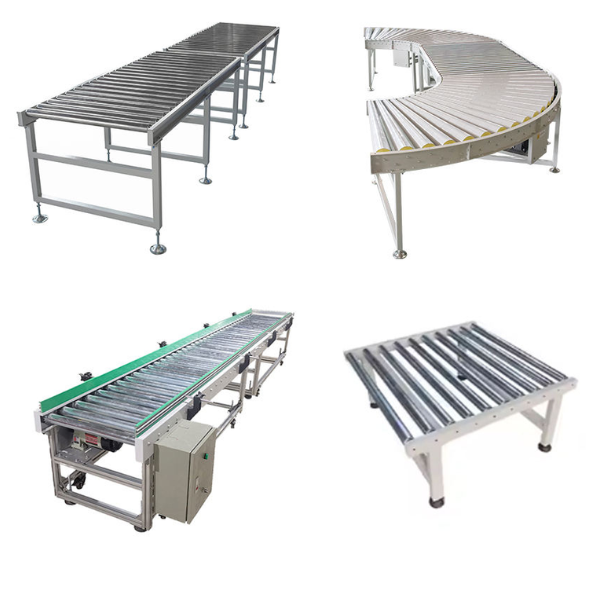
When it comes to food processing facilities, conveyor belts need to meet strict hygiene requirements to stop contaminants from getting into products. The main design elements focus on things like frames that let workers clean every inch easily, surfaces angled so water doesn't collect in pools, and parts that can be taken apart without tools for quick cleaning sessions. Recent numbers from the USDA show that when equipment follows these guidelines, there's about a 90% drop in contamination issues compared to older setups that don't comply (source: USDA report 2023). Manufacturers are also increasingly going for modular systems where components fit together with fewer gaps between them. These designs cut down on places where bacteria might hide, which helps plants stay within those tough industry standards such as the famous 10 Principles set by the American Meat Institute for sanitary equipment.
Microscopic surface imperfections in conveyors create reservoirs for pathogens. For example, gaps as narrow as 0.1 mm can harbor Salmonella biofilms according to food safety studies (Journal of Food Protection 2023). Best practices mandate:
The FDA’s Food Code 2022 explicitly requires conveyor surfaces to have ≤ 32Ra finishes in high-risk zones. Smoother textures:
Polished, non-porous surfaces eliminate microscopic crevices where pathogens and organic residues accumulate. Stainless steel – the industry standard – achieves 80% faster residue removal during high-pressure washdowns compared to textured materials (Powder Bulk Solids 2022). Rounded edges and seamless welding prevent bacterial colonization, while FDA-compliant finishes ensure no chemical absorption during sanitation cycles.
Smooth surfaces cut cleaning time by 30% in dairy processing plants by eliminating scrubbing needs (Food Safety Magazine 2023). Operators complete sanitation in 15-minute intervals rather than hour-long shutdowns, maintaining production flow. This design efficiency reduces annual labor expenses by $18,000 per conveyor line through optimized workflows.
Conveyors with Ra ≤ 0.8 µm surface roughness require 50% fewer daily cleanings than those with Ra > 1.6 µm. Mirror-finish belts maintain 99.9% cleanliness between deep cleans, versus 85% for matte finishes in meat processing environments. Automated spray systems achieve full coverage on uniform surfaces, reducing water usage by 40% per wash cycle.
Stainless steel is king when it comes to food conveyor systems because nobody can beat its clean properties. The most common grades used are 304 and 316 stainless, which have this smooth finish that bacteria just cant get into. These materials meet all those important FDA and USDA standards for keeping things sanitary. Some research from 2023 showed that conveyors with really smooth surfaces (around 0.8 microns or less roughness) cut down on microbes by about 70% compared to rougher surfaces. Regular plastics and painted metals dont stand a chance against what happens in food processing plants. Stainless takes punishment day after day from those high pressure washes that hit up to 1500 pounds per square inch. It handles everything from super cold storage at minus 40 degrees Fahrenheit right up to hot environments reaching 600 degrees Fahrenheit without warping or breaking down during freezing, cooking, and even sterilization procedures.
Stainless steel contains chromium which forms what's called a passive oxide layer on the surface. This layer helps protect against pitting corrosion caused by acids and those harsh chlorinated cleaners commonly found in food processing environments. Take AISI 316 stainless for instance it shows corrosion rates below 0.002 mm per year when exposed to brine solutions. That means it lasts about 98% longer than regular carbon steel under similar conditions. The reason this matters so much is because without proper corrosion protection, surfaces can degrade over time. Degraded surfaces tend to trap bits of organic matter, which is exactly what food safety standards like FSSC 22000 and BRCGS are trying to prevent. Real world evidence supports this too. Plants that switched to stainless steel conveyors saw around 40% reduction in biofilm related product recalls during five year monitoring periods compared with facilities still using composite materials.
 Hot News
UIB Xiamen is a 10-year factory supplying custom conveyor, sorting machine, forklift & material handling machinery for logistics, cold chain & manufacturing. Free customized solution available.
Room 1409, SM International Center, Xingshan Road, Huli District, Xiamen City, Fujian Province, China.
Copyright © 2025 by UIB (Xiamen) Bearing Co., Ltd. Privacy Policy

 EN
EN