 ×
×

खनन ऑपरेशन में, सब कुछ बड़े पैमाने पर होता है। भारी और कठोर चट्टानों, अयस्कों तथा अन्य पदार्थों की बड़ी मात्रा को घंटे-घंटे चलाने के ऑपरेशन के साथ, इस कार्य के लिए उपयोग किए जाने वाले उपकरणों को अत्यधिक टिकाऊ होना चाहिए। इस ऑपरेशन की मेरुदंड के रूप में, कन्वेयर बेल्ट अक्सर चरम संचालन की स्थितियों का सामना करता है, और मानक रबर बेल्ट इसके लिए पर्याप्त नहीं होते हैं। यहाँ प्रवेश करते हैं धातु के कन्वेयर बेल्ट जिसमें कुछ महत्वपूर्ण निर्णय लेने की आवश्यकता होती है, और विशेष रूप से, सही मोटाई का चयन। यदि आप गलत मोटाई चुनते हैं, तो आपको महंगी खराबियों या संचालन संबंधी बंद करने का सामना करना पड़ सकता है। अतः कौन-सी मोटाई आपको कम से कम कुछ हद तक सही चुनाव करने का सबसे अच्छा अवसर प्रदान करती है? जैसे इंजीनियरिंग में, यह भी एक मामला है कि क्या यह सही मोटाई है या यह स्थितियों पर निर्भर करता है। सही मोटाई चुनना कार्य के लिए सही चुनाव करने के लिए एक संपूर्ण संतुलन के समान है।
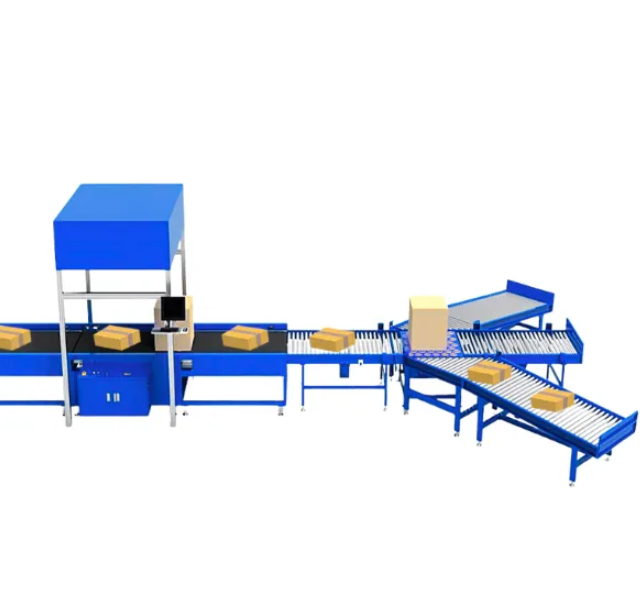
एक धातु कन्वेयर बेल्ट की तुलना कवच के एक टुकड़े से की जा सकती है। मोटी धातु की बेल्ट्स को मजबूत धक्कों और घर्षण के प्रति अधिक प्रतिरोधी बनाया जा सकता है, और उन्हें पतली धातु की बेल्ट्स की तुलना में समय के साथ अधिक देर तक चलने के लिए डिज़ाइन किया जा सकता है। इसके अतिरिक्त, वे भारी भार को संभाल सकती हैं और तीव्र किनारों वाले चट्टानों के भार के लगातार प्रहार को झेल सकती हैं। इसका नकारात्मक पक्ष यह है कि मोटी बेल्ट्स को चलाने के लिए अधिक ऊर्जा की आवश्यकता होती है, और वे कम लचीली हो सकती हैं, जो कभी-कभी तब समस्या बन जाती है जब कन्वेयर बेल्ट को एक जटिल कन्वेयर प्रणाली से गुजरने की आवश्यकता होती है। धातु कन्वेयर बेल्ट्स को पतला भी बनाया जा सकता है, लेकिन वे बड़ी और भारी सामग्री द्वारा तेज़ी से क्षरित और क्षतिग्रस्त हो जाएंगी। धातु कन्वेयर बेल्ट के क्षरण के संदर्भ में, एक पतली बेल्ट को एक मोटी बेल्ट की तुलना में जल्दी प्रतिस्थापित करने की आवश्यकता होगी। कन्वेयर बेल्ट के जीवनकाल में सुधार करने के लिए मोटी बेल्ट्स का चयन करना, उस मोटाई की बेल्ट के मुकाबले कम लागत-प्रभावी हो सकता है जो कार्य को पूरा करने के लिए ठीक उतनी मोटाई की हो जितनी आवश्यकता है।
अपने उद्देश्य के लिए बहुत पतली बेल्ट का चयन करने से घिसावट की समस्याएँ उत्पन्न होंगी और संभवतः आपातकालीन विफलता भी हो सकती है। कठोर पदार्थ एक पतली बेल्ट को तेज़ी से क्षीण कर देंगे, जिससे महंगे बार-बार प्रतिस्थापन की आवश्यकता पड़ेगी। अधिक गंभीर जोखिम बेल्ट के फटने का है। बड़े और भारी अयस्क के टुकड़े बेल्ट या तार को तोड़ सकते हैं, या गंभीर फटने का कारण बन सकते हैं, जिससे अयस्क का रिसाव होगा। इसके परिणामस्वरूप मरम्मत के लिए घंटों का समय लगेगा और महत्वपूर्ण उत्पादन हानि होगी। पतली बेल्टें खनन वातावरण में आवश्यक घिसावट प्रतिरोध, प्रभाव प्रतिरोध और टिकाऊपन प्रदान नहीं करेंगी।
हालांकि, बहुत मोटी बेल्ट का चयन करना एक गलती है। यद्यपि यह एक सुरक्षित विकल्प लग सकता है, लेकिन इससे कई समस्याएँ उत्पन्न होती हैं। उदाहरण के लिए, मोटी बेल्टें काफी भारी होती हैं। इसका अर्थ है कि मोटी बेल्टें पूरे सिस्टम के प्रत्येक घटक पर अधिक तनाव डालती हैं। इसके कारण ड्राइव मोटर्स को काफी अधिक कठिन प्रयास करना पड़ता है। इससे ऊर्जा खपत बढ़ जाती है, और बेयरिंग्स तथा शाफ्ट्स पर भार भी बढ़ जाता है। यहाँ तक कि पूरी कन्वेयर संरचना को भी अतिरिक्त तनाव को संभालने के लिए अधिक मजबूत बनाने की आवश्यकता होती है। यह सभी व्यवस्था की लागत में वृद्धि करता है और संचालन लागत में भी वृद्धि करता है। अत्यधिक मोटी बेल्टें कम लचीली भी हो सकती हैं, जो छोटे पुली या तंग मोड़ वाले कन्वेयर्स के लिए एक समस्या है। अंततः, आप अनावश्यक शक्ति के लिए भुगतान करते हैं और बेल्ट के भार तथा कठोरता के कारण होने वाली कठिनाइयों का सामना करते हैं।
किसी वस्तु की मोटाई का निर्धारण करना मामले से मामले पर भिन्न होता है। इसके लिए आपके विशिष्ट मामले/परिदृश्य का विस्तृत विश्लेषण आवश्यक है। निम्नलिखित बिंदुओं की जाँच करें:
सामग्री का प्रकार और आकार: क्या परिवहन किया जा रहा है? चिकनी, बारीक रेत और बड़े, मोटे बोल्डर्स बेल्ट के क्षरण को अलग-अलग तरीके से प्रभावित करेंगे। सामग्री का आकार और आकृति, विशेष रूप से सबसे बड़े टुकड़ों का, यह निर्धारित करने के लिए महत्वपूर्ण है कि बेल्ट को कितने तनाव का सामना करना पड़ेगा।
गिरने की ऊँचाई और प्रभाव: सामग्री को बेल्ट पर कितनी ऊँचाई से गिराया जाएगा? गिरने की ऊँचाई जितनी अधिक होगी, बेल्ट पर तनाव भी उतना ही अधिक होगा। ऊँचाई यह निर्धारित करेगी कि क्या एक मोटी बेल्ट की आवश्यकता है, या एक ऐसी बेल्ट की जिसमें प्रभाव अवशोषित करने के लिए विशेष सुविधाएँ हों।
भार (टन) और बेल्ट की गति: समय इकाई में परिवहित सामग्री का आयतन क्या है, और समय इकाई में बेल्ट की गति क्या है? सामग्री का आयतन जितना अधिक होगा और बेल्ट की गति जितनी अधिक होगी, सामग्री को ले जाने के लिए उतनी ही मजबूत बेल्ट की आवश्यकता होगी।
अपघर्षण और संक्षारण: क्या परिवहित सामग्री अत्यधिक कार्बुरेटिव है (जैसे कि कुचला हुआ ग्रेनाइट) या कुछ अयस्कों या उच्च आर्द्रता सामग्री वाली कुछ सामग्रियों की तरह संक्षारक है? यह सामग्री के चयन के साथ-साथ मोटाई को भी प्रभावित करेगा।
पुली व्यास: बड़ी पुलियों के लिए बेल्ट को उनके क्षतिग्रस्त होने से बचाने के लिए बड़े आकार के बेल्ट की आवश्यकता होती है, क्योंकि बेल्ट की मोटाई बढ़ने के साथ वे अधिक कठोर और अधिक दृढ़ हो जाते हैं। यह महत्वपूर्ण है कि आप अपने कन्वेयर प्रणाली की पुली व्यास के साथ बेल्ट की मोटाई की तुलना करें।
सामग्री और निर्माण, मोटाई के समान ही महत्वपूर्ण हैं। यह बेल्ट के प्रकार और बेल्ट निर्माण विधि के लिए भी सत्य है। बेल्ट बनाने के लिए विभिन्न ग्रेड के स्टील का उपयोग किया जा सकता है, जिनमें उच्च-शक्ति वाले स्टील शामिल हैं जो संक्षारण प्रतिरोधी भी हैं, तथा कार्बन से बने अन्य स्टील ग्रेड भी शामिल हैं। बेल्ट की शक्ति और लचीलापन इसकी मोटाई के बुनावट पैटर्न पर भी निर्भर कर सकता है। ऐसी स्थितियों में, अनुभवी निर्माता के साथ काम करने का मूल्य बहुत अधिक बढ़ जाता है। निर्माता केवल मोटाई के विनिर्देशण में ही सहायता नहीं कर सकता, बल्कि आपके विशिष्ट अनुप्रयोग के लिए सामग्री, बुनावट और मोटाई के इष्टतम संयोजन को भी निर्दिष्ट करने में सहायता कर सकता है।
खनन और अन्य औद्योगिक परिचालनों में, सामान्यीकृत दृष्टिकोण अनुकूल नहीं होता है, और आपकी प्रक्रिया इसका अपवाद नहीं है। यही कारण है कि ऐसे प्रक्रिया साझेदार, जो अवधारणा ड्रॉइंग्स से लेकर नमूनाकरण और बेल्ट ड्रॉइंग्स के संशोधन तक पूर्ण अनुकूलन प्रदान करते हैं, इतने मूल्यवान होते हैं। एक बेल्ट को आपके विशिष्ट सामग्री, आपके विशिष्ट उपकरण और आपके संचालन उद्देश्यों के अनुरूप डिज़ाइन किया जा सकता है, जिसका अर्थ है कि आपको अनावश्यक विशेषताओं के लिए भुगतान करने की आवश्यकता नहीं है, और अपर्याप्त इंजीनियरिंग के कारण बेल्ट विफलता का कोई जोखिम नहीं है। यह आपकी विशिष्ट समस्या के लिए सटीक इंजीनियरिंग समाधान के बारे में है।
अपने धातु के कन्वेयर बेल्ट की आदर्श मोटाई का चयन करना कोई सिर्फ तकनीकी विवरण नहीं है, बल्कि यह आपके पूरे संचालन की विश्वसनीयता में निवेश करना है। जो बेल्ट कार्य के लिए अनुकूलित रूप से कॉन्फ़िगर की गई हो, वह लगातार उपयोग के बावजूद भी टिकाऊ रहेगी, इसकी रखरखाव की आवश्यकता कम होगी और इसमें आघातक विफलताओं की संभावना कम होगी। यह सामग्रियों के निरंतर प्रवाह को बनाए रखेगी, उत्पादन को समय पर चलाए रखेगी और लागत का प्रबंधन करेगी। सही अनुप्रयोग और एक अच्छे साझेदार के साथ, ऐसी बेल्ट को खोजना संभव है जो आवश्यकताओं का सामना करने के लिए पर्याप्त रूप से मजबूत हो, लेकिन संचालन की लाभप्रदता को बनाए रखने के लिए पर्याप्त रूप से कुशल भी हो।
UIB शियामेन एक 10 वर्षीय कारखाना है जो लॉजिस्टिक्स, ठंडी श्रृंखला और विनिर्माण के लिए कस्टम परिवहन यंत्र, छंटनी मशीन, फ़ॉर्कलिफ्ट और सामग्री हैंडलिंग मशीनरी की आपूर्ति करता है। मुफ्त कस्टमाइज़्ड समाधान उपलब्ध है।
कमरा 1409, एसएम इंटरनेशनल सेंटर, जिंगशान रोड, हूली जिला, शियामेन शहर, फ़ुज़ियान प्रांत, चीन।
कॉपीराइट © 2025 यूआईबी (शियामेन) बेयरिंग कं, लिमिटेड द्वारा। गोपनीयता नीति

 EN
EN


 ताज़ा समाचार