 ×
×
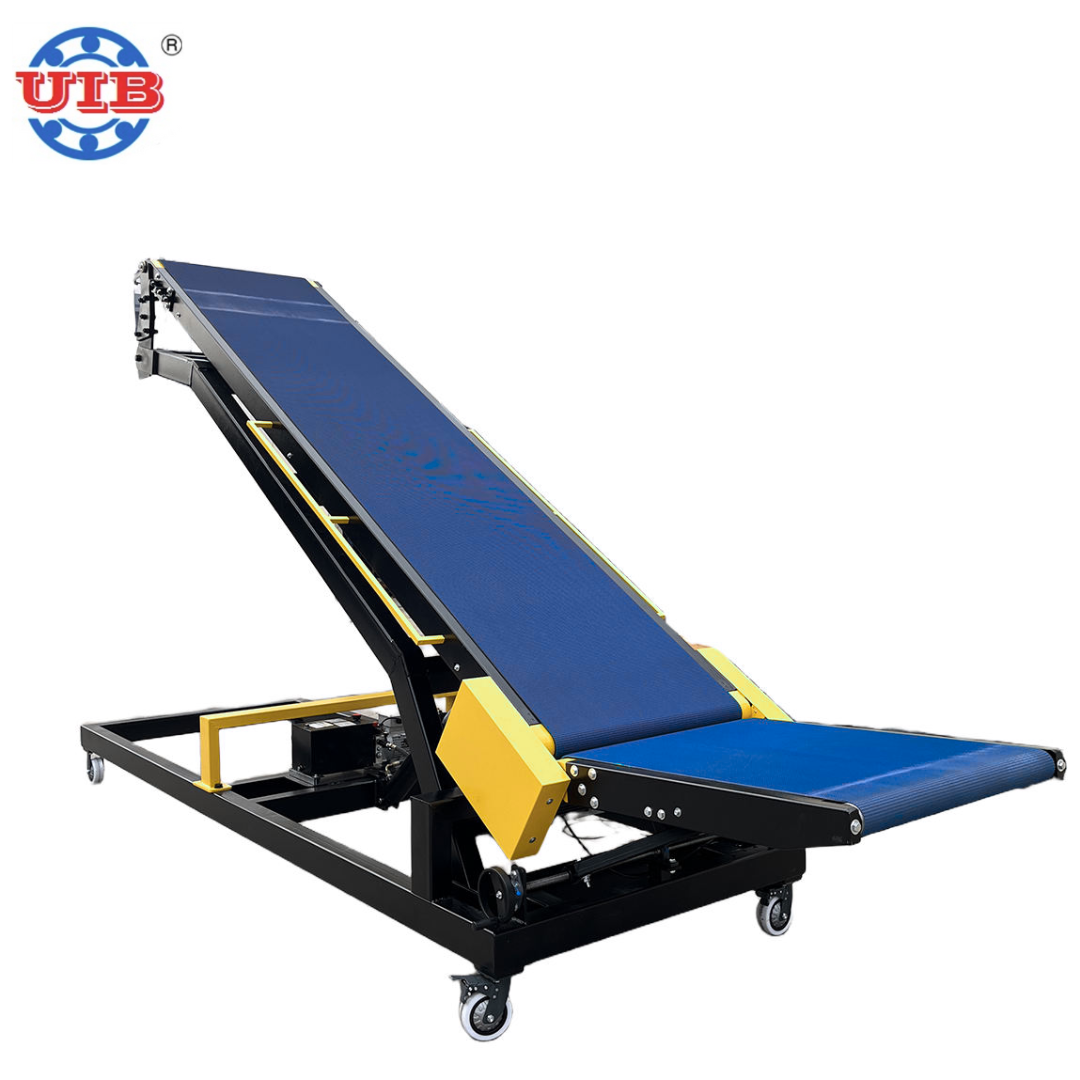
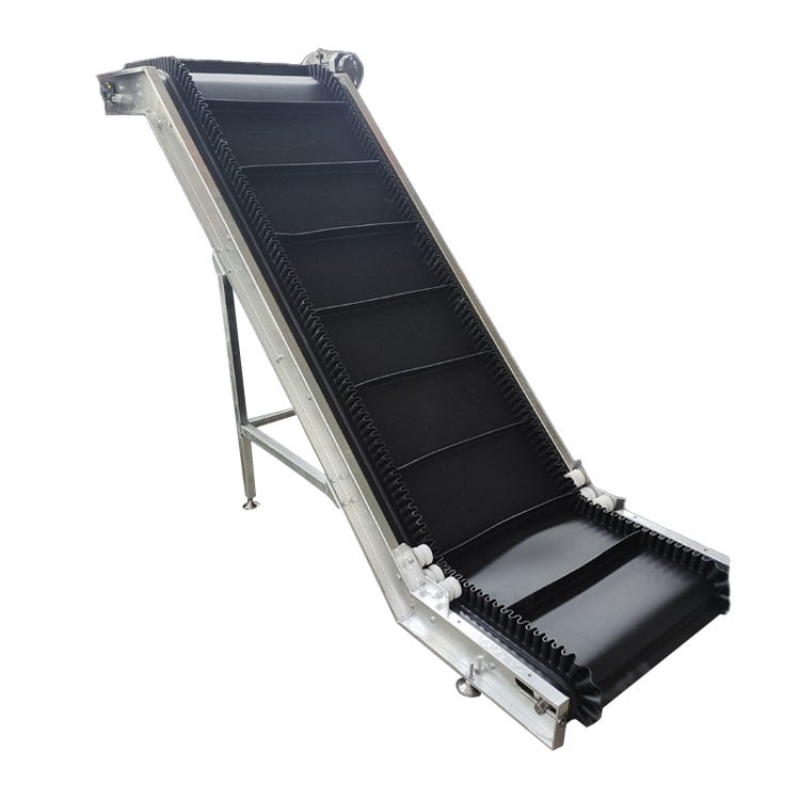
Inclined conveyors are an essential conveyor part for any industry, especially with vertical movement, saving space, and connecting several levels of a facility. Their versatility and utility are unmatched, but one question really needs to be asked when designing a facility for operational use: how steep is too steep? The design of an inclined conveyor is much more than an aesthetic choice. It considers safety and operational efficiency. If you are too aggressive with the angle you will encounter operational issues such as materials sliding back, jamming of the devices, safety issues with belts loosening, and also the potential for material spills. If you keep the angle too shallow you will encounter an inefficient use of the available floor space. Achieving the best operational angle of an incline conveyor is of utmost importance.
When your conveyor is flat, gravity is on your side, keeping material situated. When you start tilting the conveyor, gravity becomes your enemy. The higher the angle on the conveyor, the more work it has to do to lift material, and the more likely material will start to slide or roll backwards. This issue doesn't just create inefficiencies. A material slide can cause a log jam at the foot of the conveyor, causing the entire system to jam. In extreme cases, the rolling-back material can cause damage to the conveyor belt or drive, and can pose a risk of injury to people. The first step to dealing with gravity is to find the right angle to keep your system safe.
So what's a safe angle? There's no magic number, but general guidelines exist. For most standard flat belt conveyors that deal with common materials like boxes or bags, a safe angle for most applications is around 10-15 degrees. Any more than that, and there's a good chance that items could start to slide. However, that is only a starting point. In reality, that angle depends on what you are moving. The different kinds of materials, how big or small they are, and how they interact with the surface of the belt are all big factors. Moving large, stable cartons, for example, is a whole different kind of challenge than conveying loose, free-flowing material.
The most influential factor that determines a safe incline is the type of material that you are conveying. Consider the following:
Smooth, hard materials: things like plastic boxes or metal components will slide on a belt at a relatively low angle.
Rough, textured materials: items that have a high friction wrapped or corrugated box will be able to slide down belt on a steeper angle than items that will stop sliding at a lower angle like the friction.
Granular Materials: Stuff like sand, grain, or little pellets, has a particular behavior; Once a surface layer begins to flow back, even though the majority of the material appears to flow upwards, it may be at a certain angle; Internal slippage, however, causes the flow to be less efficient, even causes wear.
Cohesive Materials: Because of the risk of buildup, wet clays and some ores may also adhere to the belt and allow for higher incline angles.
These are the reasons why it is essential to know your material's angle of repose or the highest point it can be stacked without sliding for conveyor design.
The biggest factor to overcome gravity on the conveyor belt is the one that gives it the most grip. Specialized belts are designed for the needs of the steepest angles. A smooth rubber belt may be sufficient for an even incline, while some increased-friction design is called for on the steepest slopes. The most common design is all of the following:
Cleated belts: These belts contain raised sections known as cleats that are similar to shelves in that they support material in place. They're perfect for steep angles and even vertical lift belts.
Textured and patterned belts: The top surfaces that have a diamond or herringbone pattern create a lot of friction for a variety of materials that need to remain stationary.
Pocket belts: These have molded pockets that cradle the load and allow steep belt angles.
Often the choice of belt surface is the most critical factor in safely increasing the operating angle of your conveyor.
Aside from the belt, the entire conveyor system needs to be holistically designed, especially the loading point. If the loading point creates too much of a material flow dump onto the belt that is inclined, that will create sliding and instability. The speed of the belt and the angle are also interdependent. More speed creates more vibration and can cause material to be pulled off at the most critical point. All of these factors need to be designed to create system balance to maintain a predictable flow of material from the loading point to the discharge.
Using an inclined conveyor at the wrong angle is an accident waiting to happen. When an inclined conveyor is loaded, the first danger is rollback. Think of a rock or a box loaded onto the conveyor. When a conveyor is rolling, a rock or box can be thrown off to the side where it can injure a worker, or damage equipment. It can be caught in the bottom conveyor mechanism causing a jam, overheating the motor, or burning the belt. Aside from the expense related to a jam, the injury risk is a reason to avoid operating equipment at the wrong angle. There is a safe angle where you can be confident the material is under your control and will be moved as planned.
What methods, techniques, and systems will allow us to optimize further safety angles on conveying systems for a particular application? We first must understand the materials. Try to test and see how your material reacts to slope. Feel free to ask any conveying engineering builders. For example, a UIB with a decade of field experience, will be able to tell you how various materials react on various slopes, and will be able to give you personal advice on choosing a particular belt, designing a loading belt, and adjust the speed of the belt to a particular material and angle. This will give you the best efficiency, and ensure the highest level of safety on the systems.
Every time you adjust the angle of your inclined conveyor, you are making a new engineering design. It safety will boost productivity and in time will give you a system that is reliable for years of efficiency.
 Hot News
UIB Xiamen is a 10-year factory supplying custom conveyor, sorting machine, forklift & material handling machinery for logistics, cold chain & manufacturing. Free customized solution available.
Room 1409, SM International Center, Xingshan Road, Huli District, Xiamen City, Fujian Province, China.
Copyright © 2025 by UIB (Xiamen) Bearing Co., Ltd. Privacy Policy

 EN
EN