 ×
×
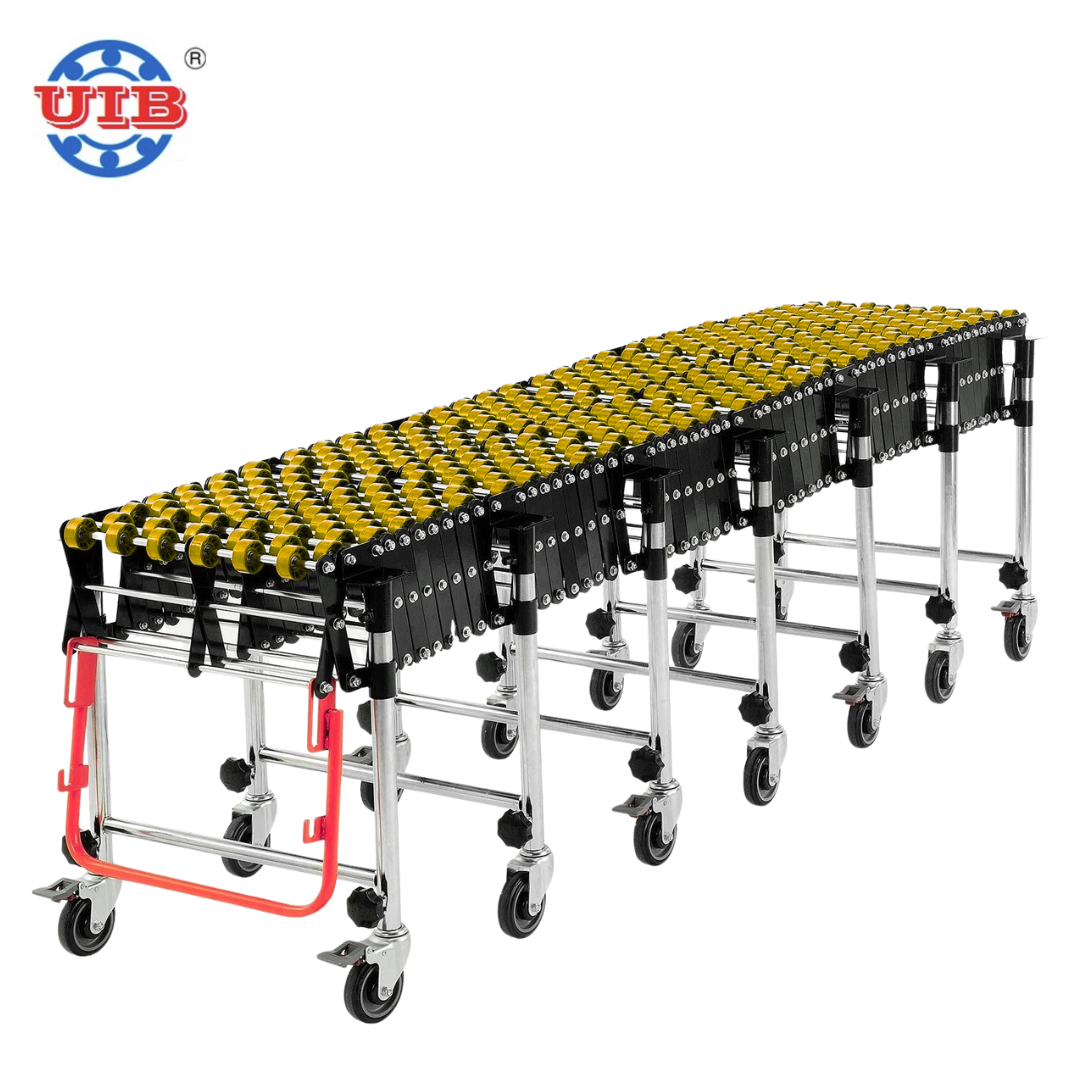
Gravity roller conveyors work on basic physics principles instead of relying on complicated machinery, which cuts down on those annoying breakdowns we see all the time in powered systems. These setups don't have motors running around, no belts stretching out, no fancy sensors either. Just plain old rollers doing their thing under the influence of good old Mother Earth's gravity. That means there's way less stuff that can break down over time. Industry reports suggest something like a 70% drop in stoppages because of this simple approach. Materials keep moving smoothly along without anyone needing to dig into electrical problems or replace worn out motors. And since there aren't so many parts involved, mistakes during assembly happen less often. When something does go wrong, fixing it tends to be quicker and much less headache inducing compared to dealing with those power hungry alternatives.
Constructed with durable steel frames, gravity roller conveyors are built to handle heavy loads and resist corrosion in demanding environments like warehouses and production lines. Their passive operation removes the need for:
Sealed bearing rollers prevent dust and debris from interfering with performance, ensuring smooth function for years without maintenance. Steel’s inherent corrosion resistance further reduces inspection frequency, with lifecycle data showing 40% lower upkeep costs compared to aluminum models. This self-sufficient design delivers long-term reliability with minimal intervention.
Conveyor systems that run on power need motors, drive belts, control panels, and all sorts of wiring. And each of those parts represents another spot where something can go wrong. Maintenance becomes a real headache because these components need regular lubrication, proper alignment, and eventual replacement. All this adds up to lost production time and higher service costs. Gravity roller conveyors tell a different story though. They work without needing any electrical components at all. When companies switch to these systems, they see a massive drop in maintenance requirements. The numbers back this up too - according to Material Handling Institute research from 2024, maintenance needs fall by around 72%. Basic engineering tells us why this works so well. Systems with fewer moving parts simply break down less often, which makes them much more reliable for factory floors and warehouses dealing with constant product movement.
The passive nature of gravity conveyors delivers significant operational savings:
Over a five-year period, this translates to a 60% lower total cost of ownership. Facilities avoid both scheduled maintenance downtime and unplanned stoppages caused by electrical failures, enhancing overall productivity.
Gravity roller conveyors in factories need very little maintenance because they work passively without motors. Facilities usually just do quick monthly checks looking for dirt buildup or anything stuck between rollers. These systems don't need oil changes, belt tightening, or checking electrical connections like their powered counterparts do. Factories report cutting down on maintenance time by around three quarters when switching from motorized options. In busy manufacturing plants where conveyor belts run nonstop, the biggest headache tends to be replacing individual rollers every few years as wear sets in. Many plant managers we've talked to say the savings in both money and downtime make these simple gravity systems worth the investment, especially in warehouses handling thousands of products daily.
 Hot News
UIB Xiamen is a 10-year factory supplying custom conveyor, sorting machine, forklift & material handling machinery for logistics, cold chain & manufacturing. Free customized solution available.
Room 1409, SM International Center, Xingshan Road, Huli District, Xiamen City, Fujian Province, China.
Copyright © 2025 by UIB (Xiamen) Bearing Co., Ltd. Privacy Policy

 EN
EN