 ×
×
Installing warehouse automatic sorters is a nice step toward achieving great operational efficiency. Automated sorters will lead to faster order fulfillment, fewer operational errors, and increased handling capacity. However, before getting too excited to envision the fully operational sorters, there is a crucial question to consider: How much space is needed for these systems? You cannot solely consider the footprint of the machines. An adequate, successful, and profitable installation of a warehouse automated sorter requires the consideration of a sorter, all the additional necessary equipment, and the workflows surrounding the sorters and equipment. One of the most common is Underestimating space for warehouse automated sorters equipment, which leads to insufficient operational flows, bottlenecks, and safety issues, which prevents the system from achieving its full operational potential.
There are several factors and variables to consider for adequate space estimation. Select the sorter based on your current and future throughput to achieve the most effective operational flows. Then, to ensure the warehouse sorters positively contribute to the operational efficiency of the warehouse, achieve proper space planning. To assist with space consideration surrounding the main sorter frame and the operational zones, the following illustrates some of the key spatial considerations.
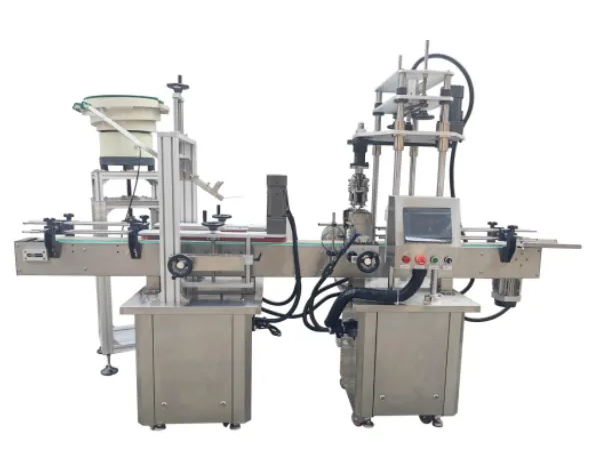
The Total Spatial Footprint for Automatic Sorter planning involves sorting machine dimensions.
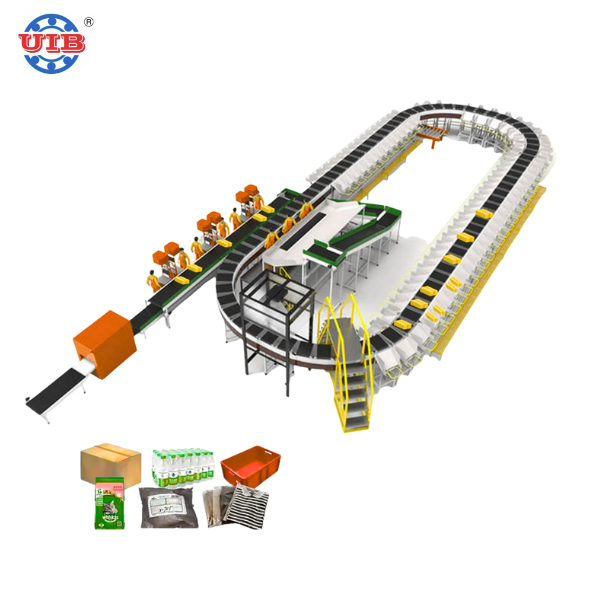
The first area is the sorter itself. This is the mechanical part of the sorter, whether it is a cross-belt, tilt-tray, or sliding shoe sorter. The length of the sorter is dependent on the output volume and the speed of sorting that is needed. If the output has a higher number of destinations or has an increased need for slower induction for more fragile items, it will require a longer loop. The width of the sorter involves critical clearance on both sides of the sorter for maintenance access. There must be enough room for technicians to service the motors, bearings, and sorting mechanisms. Do not plan for a tight fit against a wall or a racking.
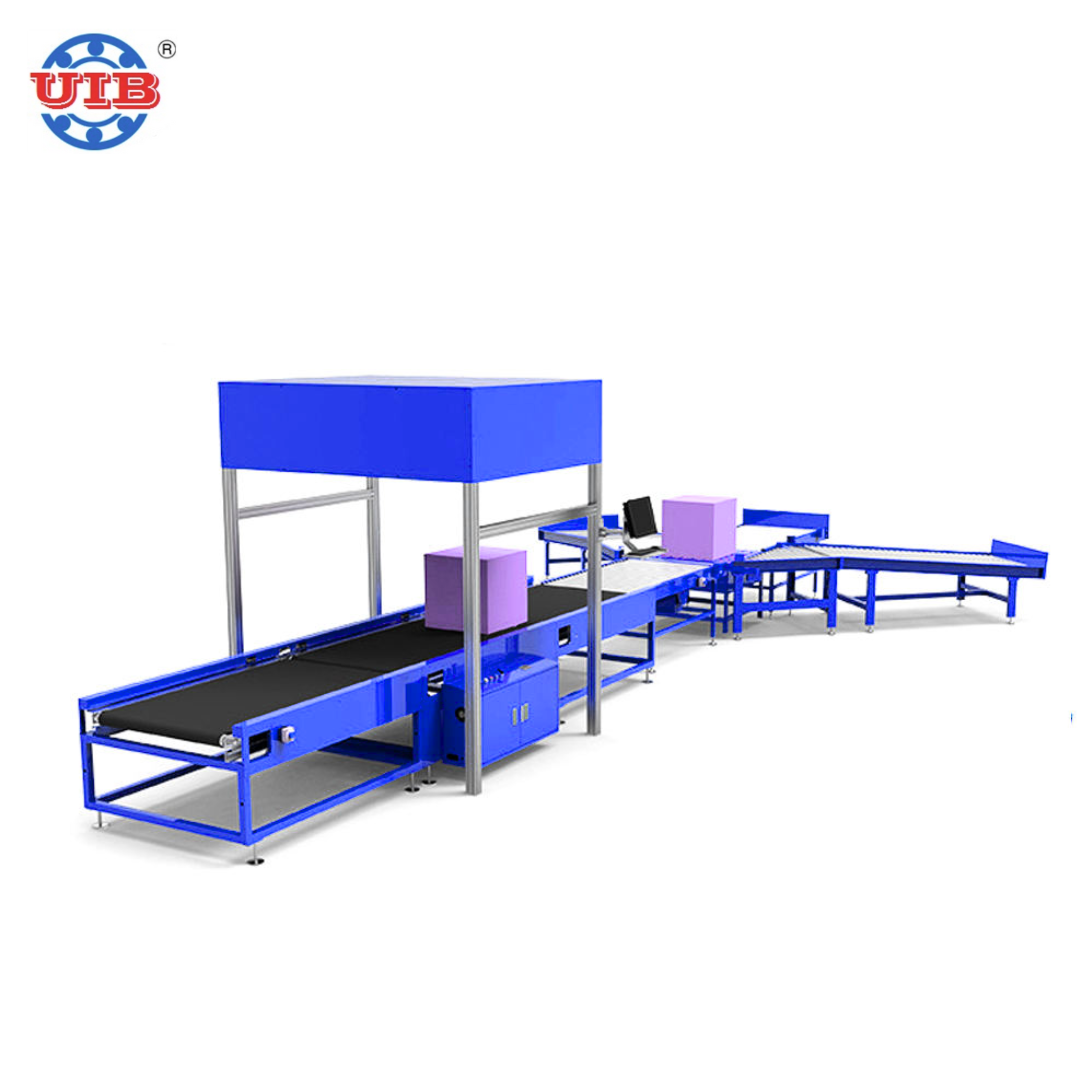
The second area is the induction zone. In this area, items to be fed on the sorter must be sufficient enough to sustain a high volume of induction lanes. In addition, the conveyor systems leading to the induction zones and accumulators must be able to smooth the flow of products that are to be inducted. Everything must be laid out properly to allow for the induction zone to operate properly, or it will slow the system down. If it is too crowded, the system will be overloaded, and the products will not be able to enter the sorter loop.
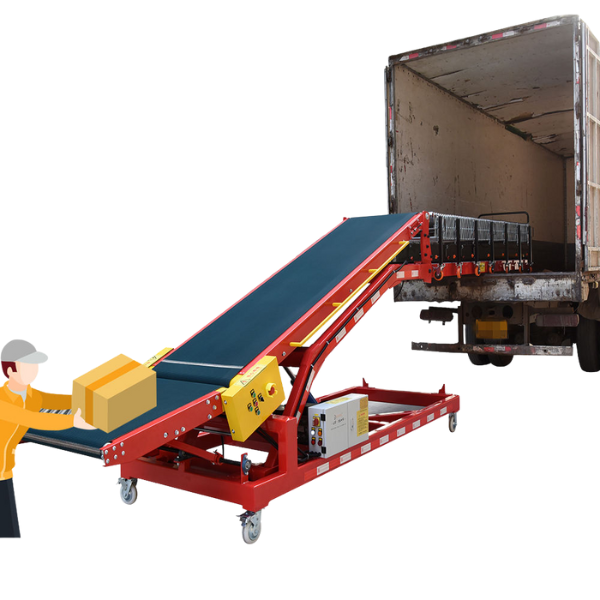
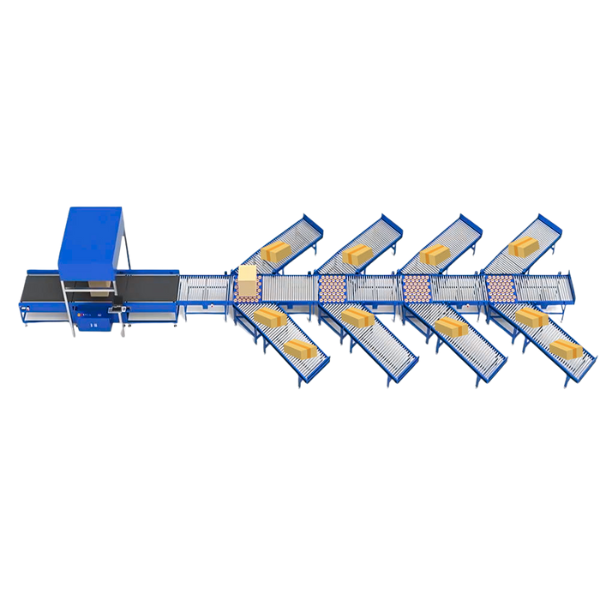
Lastly, the discharge and takeaway area is just as important, Every sortation destination—be it a chute, a packing station, a less-than-truckload (LTL) box, or a tote—takes up physical space. It is important to have enough space to collect the sorted items to avoid overflow and to allow personnel or robots to clear the area. Takeaway conveyors need to clear sorted items, and it is important to have enough space to avoid congestion. The space needed increases with the number of destinations your system is designed to sort to.
More so, specific dimensions and clearances can mean the difference from a good installation and a great one.
Vertical clearance is one of the more commonly underestimated factors. Sorters, especially cross-belt and tilt-tray systems, tend to have a lot of height to them. You need to have enough room for the sorter's structure, the parcels on it, and enough room overhead to allow for safety and ventilation so nothing hangs too low. Nothing should interfere with sprinkler systems, lights, ducts, or roof trusses. It is commonly recommended to have 18 to 24 inches of clearance above the highest point of a loaded sorter.
Access and Maintenance pathways are essential. There should be permanent access pathways on both sides of the sorter loop. These pathways are for daily visual inspects, routine lubrication, and repairs. Maintenance should be able to walk, and be able to bring in tools and parts which is usually 24 to 36 inches. It is a safety and operational hazard to block these access pathways with temporary storage.
The sorter is integrated with both upstream and downstream systems; the sorter does not exist in a vacuum and therefore requires integration space. Upstream systems include receiving or picking conveyors, while downstream systems are packing lines or palletizers. There is a need for transitional space for merges, lifts, and transfers. Also, the motor control cabinets, central computer, and the high-powered scanner tunnels are all essential components and need space that is not within the main traffic path.
The type of Warehouse Automatic Sorter has the most significant effect on the design and layout of space. Each technology comes with its own unique spatial requirements.
Shoe sorters are usually more compact, more efficient, and can handle a higher rate of packages. However, they are usually limited by size and weight of the packages.
Cross-belt and tilt-tray on the other hand are great for heavier packages but take a longer loop. They do require more vertical space but are more gentle and precise.
Wheel sorters are great for heavier, more rigid packages. They do require specific planning for pit issues and drainage if they are sunk into the floor rather than just the more vertical constrained design.
For your products and their packaging, their weight and size, and how fast they need to be sorted, you need to do a balance choice. Layout drawings and a study of feasibility are essential before you commit to a specific sorter design.
Contacting specialist integrators is an important aspect during the planning phase of the people and process flow of any sortation system. Sortation systems are highly automated and provide many steps of the sortation process, however, they are still a machine that will work best alongside people. Systems will also vary as they can be stand alone or can be integrated into an entire facility.
A specialist integrator will design the sortation system to best meet the requirements of the facility as a whole. Furthermore, once the sortation system is integrated, these processes and requirements will be almost impossible to modify and are highly likely to remain in place for a long time. Design is a critical step that ens t, once integrated, will remain the same for a long time. Systems also provide varying degrees of automation, from stand alone systems that provide a fully automated sortation process, to systems that are integrated into an entire sortation process.
Integrators can also assist in the design of the entire flow of the system, and will account for how traffic patterns and delays will be impacted by the sortation process. Integrators can be a vital resource in addressing any traffic and flow planning that results from the addition of a sortation system. Finally, the start of any new traffic in the work environment should be the goal of a design that includes the addition of a sortation system.
Integrators also provide design options to improve traffic flow patterns and the flow of work activities. A design approach that considers a variety of these factors can help to mitigate risks associated with workplace traffic.
Don't forget to incorporate a vision for future expansion into your initial plan. Next year, will you have to add additional induction lines or sortation destinations? Keeping a modular approach or “blank” spaces at the end of the sorters can save tremendous costs and disruptions later. It's definitely easier to temporarily fill a space for something else, than to have to move a major piece of infrastructure because you failed to plan for growth.
When it comes to a Warehouse Automatic Sorter, the space you choose to plan to allocate is a strategically calculated investment for its success. If you rush the planning process, or butt the system into a space that won’t accommodate, you will jeopardize the sorters efficiency, the safety of employees, and the ROI. Successful installations are characterized by the sorter being able to have space to “breathe.” Successful installations have space for proper clearances, logical workflow integration, maintenance access, and also space set aside for future expansion.
Prior to getting started, make sure to do an audit of the space available to you, not just on a piece of paper, but by doing a walkthrough and assessing the height, columns, and doorways. Bring in the facilities managers, the safety officers, and the sorter vendor early in the process. By taking into consideration all of the space-related concerns, you make it more likely that your automated sorter will become a value-adding piece of equipment that will integrate seamlessly into the core of your warehouse operations and run reliably for years to come.
 Hot News
UIB Xiamen is a 10-year factory supplying custom conveyor, sorting machine, forklift & material handling machinery for logistics, cold chain & manufacturing. Free customized solution available.
Room 1409, SM International Center, Xingshan Road, Huli District, Xiamen City, Fujian Province, China.
Copyright © 2025 by UIB (Xiamen) Bearing Co., Ltd. Privacy Policy

 EN
EN