 ×
×
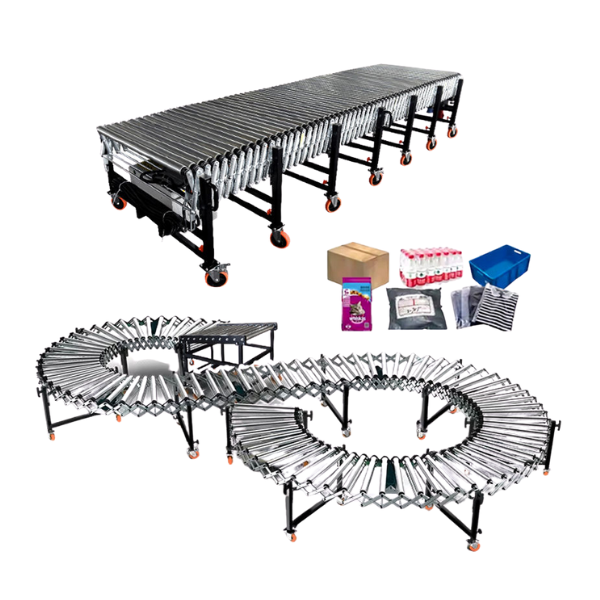
Mobile roller conveyors tackle the problem of crowded loading docks by keeping cargo moving smoothly from where it's staged all the way to the waiting trucks. Manual handling methods tend to create gaps between when one pallet gets moved and another starts, but gravity powered systems keep things flowing consistently. Warehouse staff just need to steer the loads along the rolling surface, which cuts out those frustrating wait times between tasks. According to recent industry data from Logistics Safety Review in 2023, this kind of continuous operation can cut down on transition delays by around 60 percent compared to what happens when everything relies on forklifts. Plus there are fewer injuries from lifting heavy items since workers handle much less weight directly. When multiple shifts run back to back at distribution centers, these conveyor systems prevent long lines of waiting trailers and turn those chaotic stop-and-go situations into something far more organized and productive for everyone involved.
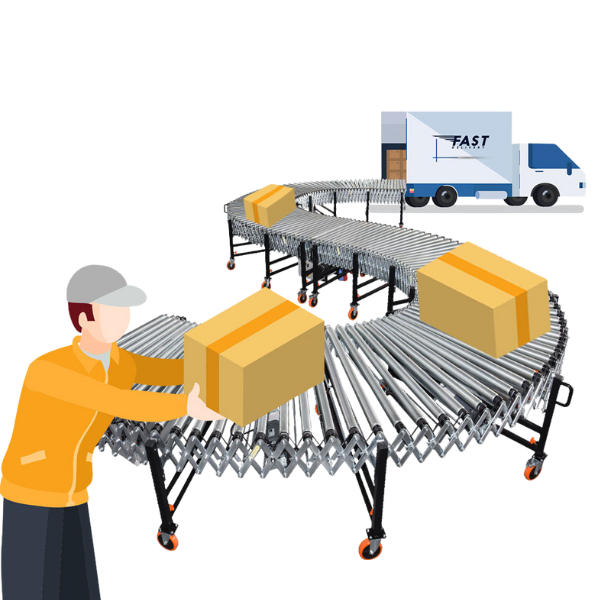
Distribution centers that handle large volumes have seen their truck turnaround times jump by around 35% once they started using mobile roller conveyors. Take this grocery warehouse in the Midwest for instance. They revamped their 12-bay loading area with these modular conveyor setups and cut down their average unloading time dramatically—from nearly 47 minutes per trailer down to just 30 minutes. Why does this happen? Well, there are several reasons really. First off, no more wasting time moving equipment around. Workers don't need to run back and forth between where the cargo is and the actual trailer anymore either. Plus, multiple people can work on different parts of the same conveyor at once which speeds things up considerably. What makes these systems so great is how portable they are too. When business picks up seasonally, managers can just move them around as needed instead of tearing everything apart and rebuilding permanent structures every time demand fluctuates.
About 38 percent of all injuries in warehouses come from people moving materials by hand according to the Bureau of Labor Statistics data from last year, mostly because workers have to lift really heavy stuff. Roller conveyors that move on wheels help cut down on those accidents since they let goods roll from delivery trucks right into storage areas without much effort. Instead of picking things up and carrying them across the floor, staff just push items along the rolling surface. This actually cuts down on pressure on the spine by around 80%, which means less chance of getting back problems like slipped discs or inflamed tendons. Many modern systems now come with height adjustments so workers don't have to bend over constantly or stretch too far to reach things. Warehouse managers who installed these kinds of conveyor systems saw their injury rates drop by nearly half according to a study published in the Journal of Safety Research last year, showing just how much better it is for worker health compared to traditional methods.
Portable conveyors turn those messy dock areas into neat, compliant spaces where things actually get done properly. The fact that these machines can move around means we can set them up exactly where needed, creating better traffic flow and work areas that are easier on the body. This setup naturally follows what OSHA says about handling materials safely in their 1910.176 guidelines. When loading or unloading trucks, the conveyors can sit right at the same height as the truck beds, so nobody has to bend down awkwardly or risk falling off when stepping between different levels. Workers stay safer too since they keep three points of contact with whatever they're moving across the conveyor belt. And there's another bonus: since these non-powered rollers don't need electricity running through them, maintenance becomes much simpler when it comes time to follow lockout/tagout procedures. No worrying about cutting power sources or dealing with complicated systems just to service equipment.
Roller conveyors that move around are changing what we can do with tight dock spaces. These systems can be moved quickly from one truck to another or between different loading areas, which cuts down on waiting time when multiple trucks need attention at once. When they're not being used, these units fold up fast, so they don't take up precious ground room where other things might need to go. The flexibility really helps handle those unpredictable days when shipments come in waves instead of steady streams. Warehouses that have adopted mobile conveyors tell stories of cutting trailer changeover times by about 30 percent because workers no longer spend hours pushing carts back and forth between permanent stations. Some facilities even mention how staff morale improves since there's less physical strain involved compared to traditional methods.
Gravity fed systems can be installed right under dock levelers and positioned around bollards without needing any structural changes to existing infrastructure. Mobile roller conveyors are different from their fixed counterparts because they don't require electrical connections or special foundations just roll them where needed. This saves money on capital expenditures and works well across various dock configurations. When installing these systems, warehouses stay fully operational since there's absolutely no construction involved that would cause downtime. Plus, the simple plug and play setup means facilities won't have to worry about adapting later if dock layouts change or new equipment gets added down the road.
Mobile roller conveyors that rely on gravity work by using natural slopes to move items along, so they don't need any electricity at all. Logistics research shows these systems can cut overhead costs between 15% and 30% when compared to their powered counterparts. Since there are no motors or electrical parts involved, most maintenance just involves checking bearings now and then plus keeping rollers clean, which slashes maintenance costs by around 40%. The fact that they don't require power makes them great for temporary setups or outdoor loading areas where running wires would be impractical. Over time, these cost savings really add up. Many warehouses report getting their money back within somewhere between eight to fourteen months thanks to reduced energy expenses and fewer calls for technicians to fix equipment issues.
When evaluating material handling solutions, mobile non-powered conveyors offer clear TCO advantages:
| Cost Factor | Mobile Non-Powered | Fixed/Powered Systems |
|---|---|---|
| Installation | None (portable) | $15k–$50k per bay |
| Energy Consumption (5-yr) | $0 | $7k–$22k |
| Maintenance (annual) | $300–$800 | $2k–$6k |
| Reconfiguration Flexibility | Immediate | Structural changes |
Fixed systems require permanent modifications and continuous power, leading to 60% higher lifetime costs. Powered alternatives add motor maintenance and energy expenses, while mobile gravity conveyors adapt to evolving operational needs without capital investment.
 Hot News
UIB Xiamen is a 10-year factory supplying custom conveyor, sorting machine, forklift & material handling machinery for logistics, cold chain & manufacturing. Free customized solution available.
Room 1409, SM International Center, Xingshan Road, Huli District, Xiamen City, Fujian Province, China.
Copyright © 2025 by UIB (Xiamen) Bearing Co., Ltd. Privacy Policy

 EN
EN