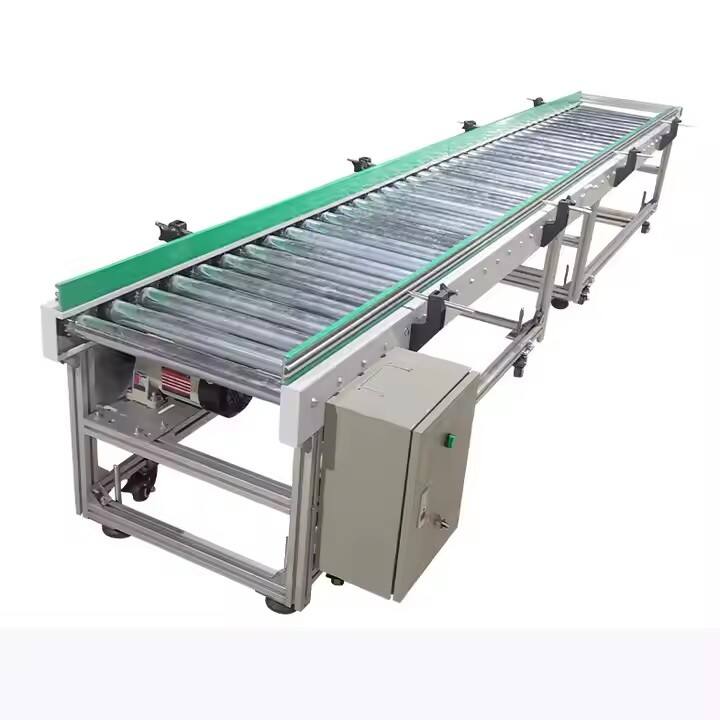
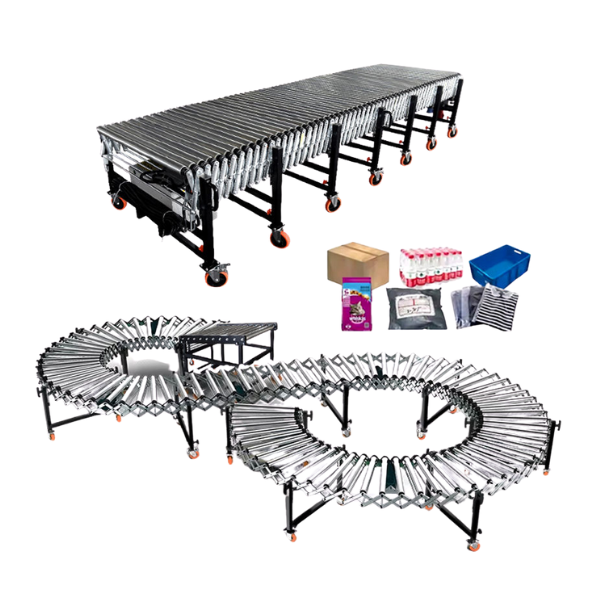
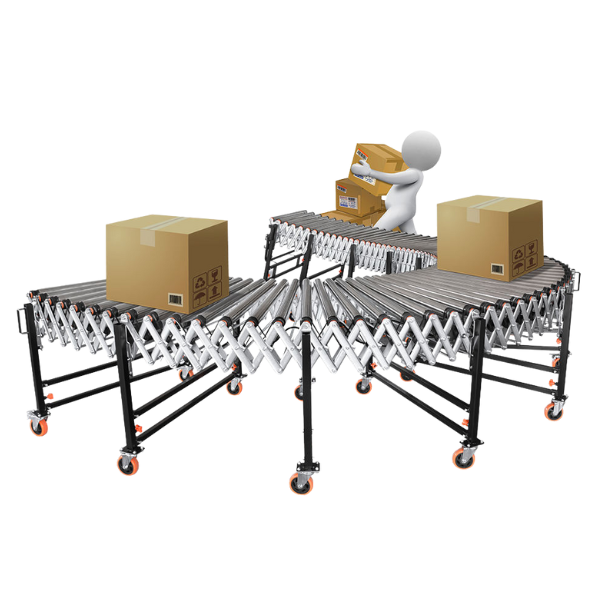
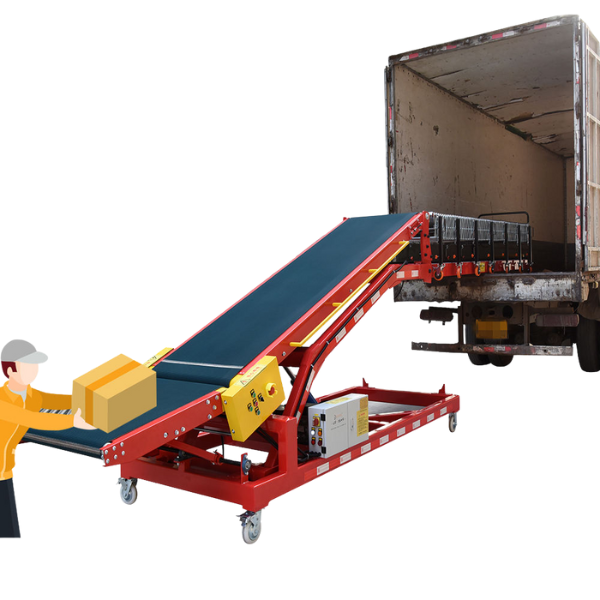
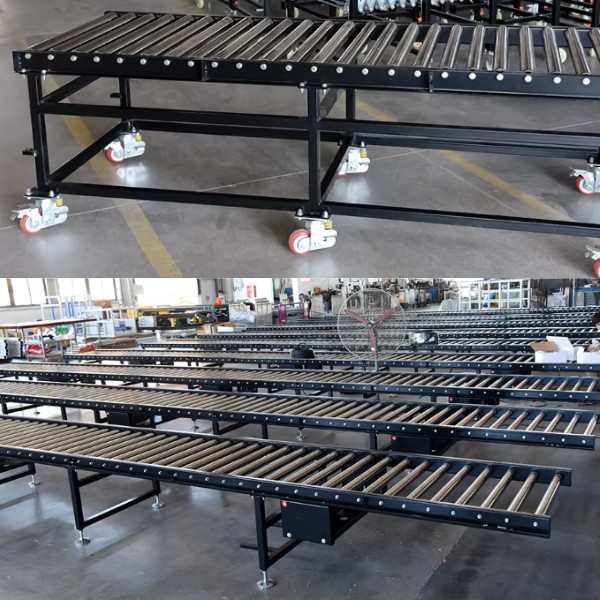
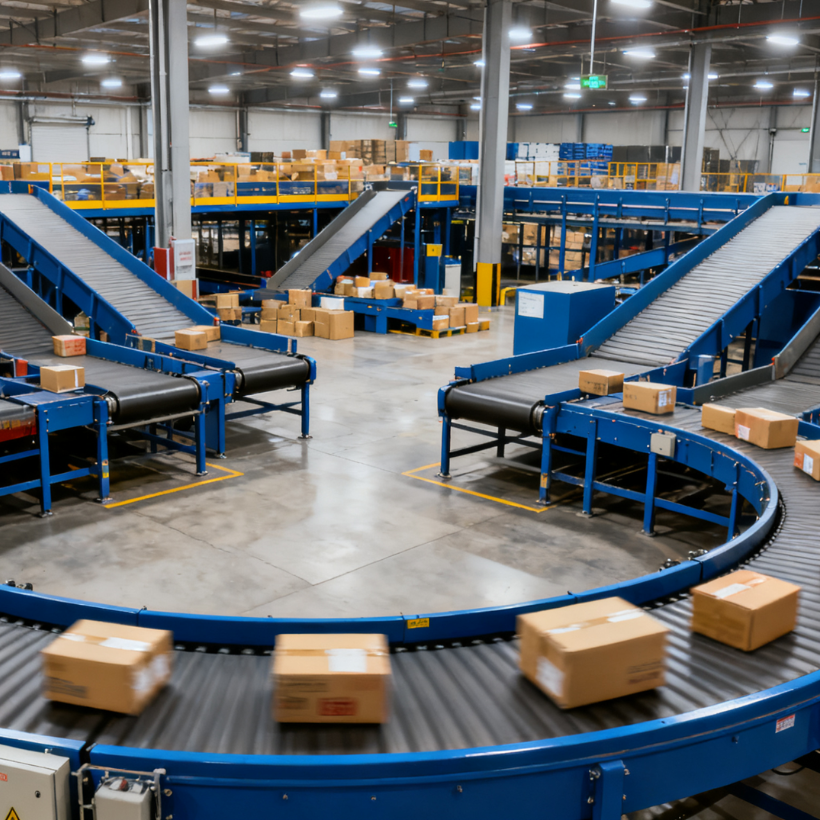
Incline conveyors are a crucial part of the modern material handling industry and are designed specifically to meet the industry's vertical transportation and elevation challenges. These systems are essential for connecting processing points and vertical height changes at all levels, including loading docks, mezzanines, and multi-story configurations. Our incline conveyors are designed with an unwavering focus on operational safety, efficient use of energy, and the ability to adapt over time. Advanced, integrated safety measures, including anti-slip surfaces, high-friction belts, and multi-directional cleats, allow for the safe and stable transport of a variety of materials, including sealed and bulk products, as well as soft and fragile items, reducing the chances of product slippage, rollback, and worker injuries. Accurate speed control and adjustability of the drive systems allow the operator to match the speed of the conveyor with the synchronized processes and transport systems to achieve optimum throughput, product safety, and system balance.
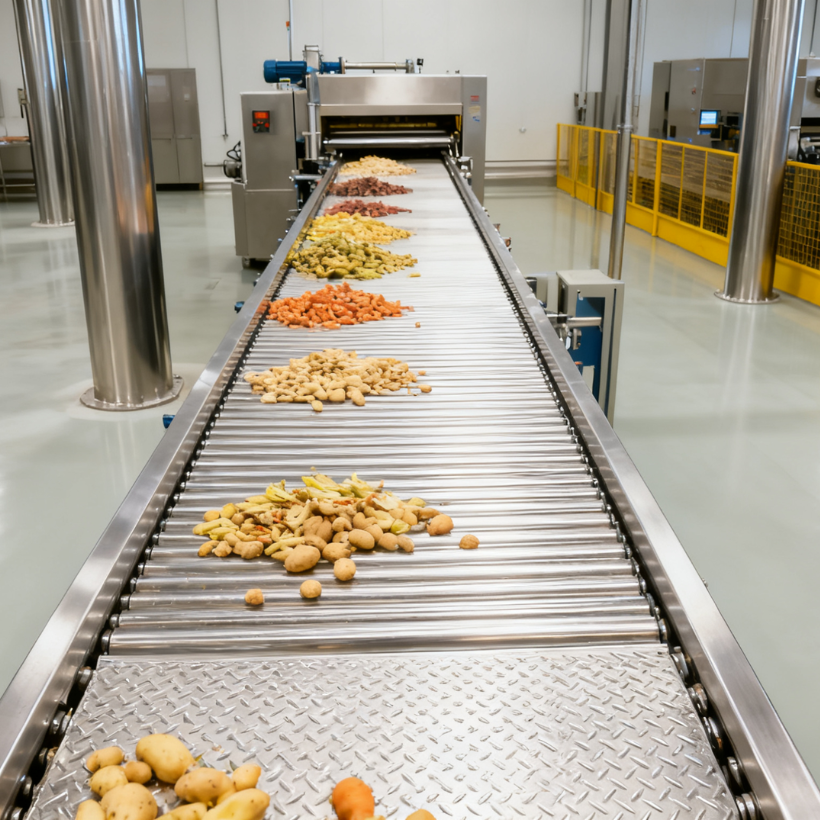
Adding our incline conveyors has a positive impact on your workflow, improving productivity and space utilization. Our conveyors are made of high-strength, industrial-grade materials, including reinforced steel frames and low-maintenance, wear-resistant belt compounds. Such quality construction guarantees the longevity of our conveyors and assures customers of hassle-free use for many years, even in demanding, continuous use. Designed for specific use cases, including Harmonized System tariffs, our conveyors are fully customizable. With the assistance of our expert application engineers, who work directly with you, virtually every detail can be customized, including shipping restrictions, drive power, and containment-side wall heights. This makes our conveyors ideal for use in distribution and logistics centers, ticketing and scanning areas of manufacturing assembly lines, washing/inspection stations of food and beverage processing plants, and vertical transfer areas of pharmaceuticals which require high slip control.
An inclination belt conveyor is tested and inspected thoroughly, component by component, and as a whole system, with a series of quality assurance and compliance protocols, including load testing, running the conveyor for a set period of time with a full load, engaging and disengaging the conveyor's safety latch, and adjusting the conveyor's running speed to verify that the system is running within safe limits for the desired speed of operation, and running the system for the desired length of time to verify that is safe to run the system to that extent, to ensure compliance with the company's high standards and relevant industry certifications. We think of our customers as partners for the entire length of the business relationship, so we provided operational after-sales customer service support with the intention of protecting customer operational downtime. Comprehensive documentation, a set of easily supplied spare parts, preventive maintenance operational guidelines, and timely technical support operational questions assist customers in system functionality that maximizes system operational uptime and highest system value over time.

 EN
EN