 ×
×
When considering the proper functioning of a chain conveyor system, proper lubrication cannot be overstated. Proper lubrication is essential to keeping the rollers on your chain conveyor from gradual increased wear . Consequences of this wear on the equipment can be dramatic. Excess wear on the equipment of the conveyor can lead to increased downtime of the conveyor as total failure is inevitable. Unexpected equipment failure is a costly expense to any facility. Studies show that a large percentage of premature bearing failures are the result of improper lubrication. Chain conveyor rollers are components that are in constant motion and are under constant stress. proper lubrication is the first step to providing wear protection to these components. The application of lubricant reduces metal to metal contact thus heating-up the lubricant more slowly than without lubrication. The application of lubricant in a conveyor system is a crucial maintenance step to be taken in order to provide a dramatic increase in the life of the entire conveyor system.
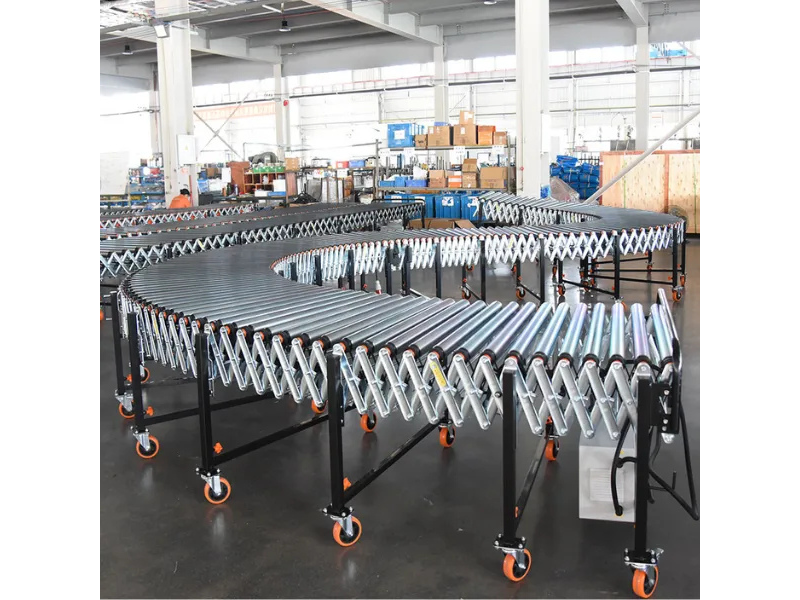
Sure there are many different lubricants to choose from, but the deciding factor usually comes from the desired operating conditions and environment. Factors to consider are load, operating speed, temperature extremes, and potential exposures to moisture or contaminants. As for many chain conveyors, quality heavy duty grease or oil will usually do the job. There are certain high temperature lubricants that would need to be used for high temperature settings that are common in many industries to prevent worst case breakdown of an otherwise effective lubricant. In other cases, where contamination is an issue, there are certain water resistant and high pressure lubricants that would be the perfect solution. In some of the more challenging situations that can’t accommodate standard lubricants, there are simplified solutions like self lubricating bearings that work great. For example, some copper sleeves that are impregnated with food grade oil in graphite can provide for ongoing lubricant delivery while preventing the need to be lubricated repeatedly, which lowers contamination and maintenance. There is usually no need to go searching for lubricants to use in conveyor rollers in case there's any confusion, there are always lubricant specifications that need to be fulfilled.
Once the right lubricant is chosen, the next thing to consider is lubricant application methods. This involves deciding how much of the product will be used and how frequently will lubrication take place. Both excessive lubrication and insufficient lubrication are bad. Not having enough of a product encourages friction on the machinery which will increase heat and wear on the equipment. However, having too much of a product can lead to problems. For example, seals can fail and allow contaminates to breach the barrier to the machinery causing bearing failure. Always follow manufacturer recommendations to avoid problems while lubricating machinery as these recommendations can be crucial. For common manual lubrication, which can be tedious, methods like drip-feed lubrication and oil cups work for lighter and slower powered equipment, but for high-speed and critical equipment, automated lubrication is an excellent choice as these systems are designed to eliminate human error and provide consistent, correct lubrication levels. More importantly, lubricants need to be stored properly in cool, sealed, and labeled containers to eliminate contamination before lubricants are applied to the machinery.
Lubrication systems must be monitored and maintained in order to work effectively. Putting in place a condition monitoring system will help to maintain conveyor rollers in optimal condition. Regular checks of the internal temperatures are a good starting point. If the temperature is abnormally high, then there is a lubrication deficit and friction is increasing. Verifying the lubrication when operational conditions shift is critical. If the load increases, the transported materials change, or there are extreme variations in temperature, the lubrication selected needs to be reviewed. Scheduling maintenance systems on a preventative basis is useful for the whole conveyor system. Tips to maintain the system include making sure the systems are clean, there are no loose bolts, chain tensions are monitored, and lubrication points are checked to ensure that they can moved and are working. Keeping systematic notes of dates lubricated, what was observed and problems logged will be useful in pattern recognition to avert challenges in the future.
The importance of the proper lubrication of your chain conveyor rollers to time and cost savings could be obvious by now. Of all of the steps to take proper care of your chain conveyor rollers, the most effective in reducing wear and increasing their smooth operation is the lubrication and oiling of the rollers. As wear is reduced, the efficiency and the uptime becomes greater as the energy expended is reduced. As the system operates, the savings becomes greater and a reliable production line is achieved. Do not forget the small components, the chain rollers, as they are essential to the conveyor system. Save a little time and complete your system with lubrication, and keep your conveyors moving efficiently.
 Hot News
UIB Xiamen is a 10-year factory supplying custom conveyor, sorting machine, forklift & material handling machinery for logistics, cold chain & manufacturing. Free customized solution available.
Room 1409, SM International Center, Xingshan Road, Huli District, Xiamen City, Fujian Province, China.
Copyright © 2025 by UIB (Xiamen) Bearing Co., Ltd. Privacy Policy

 EN
EN