 ×
×
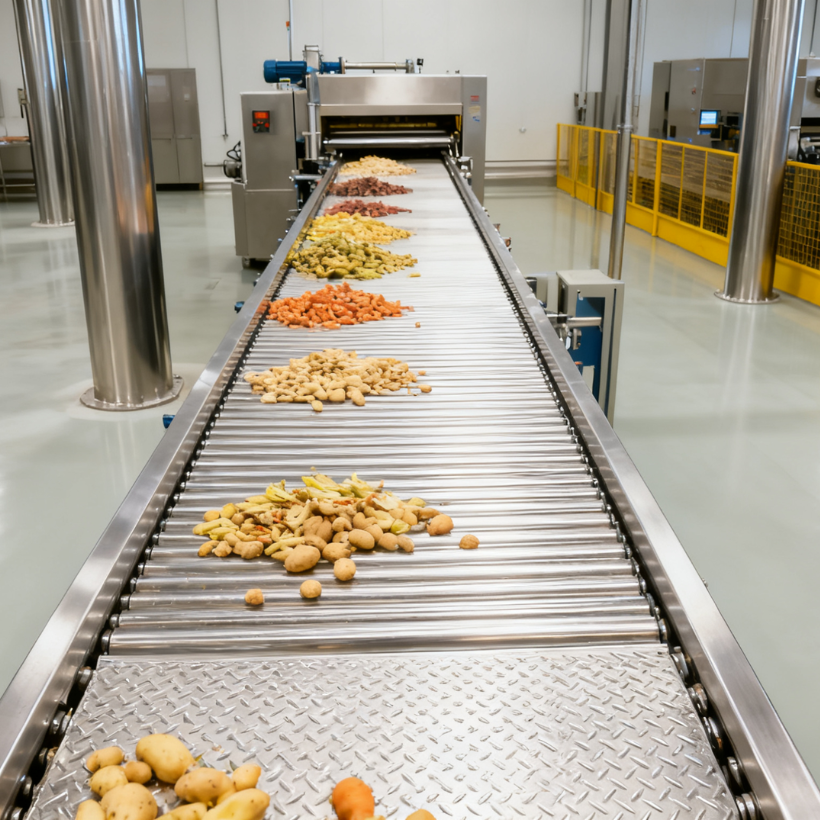
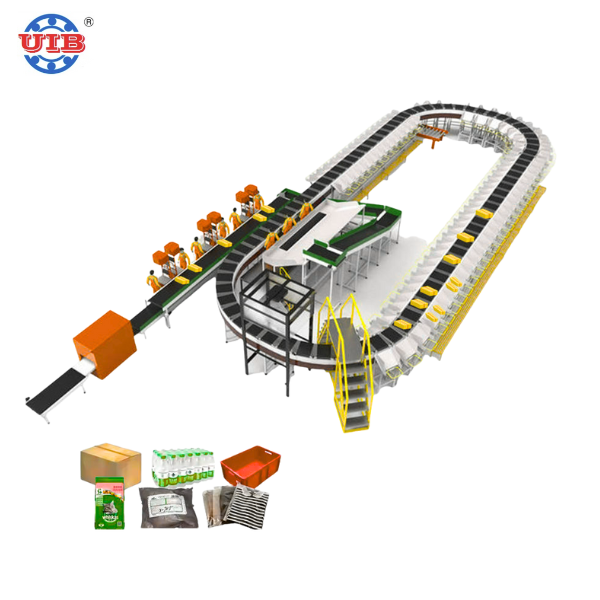
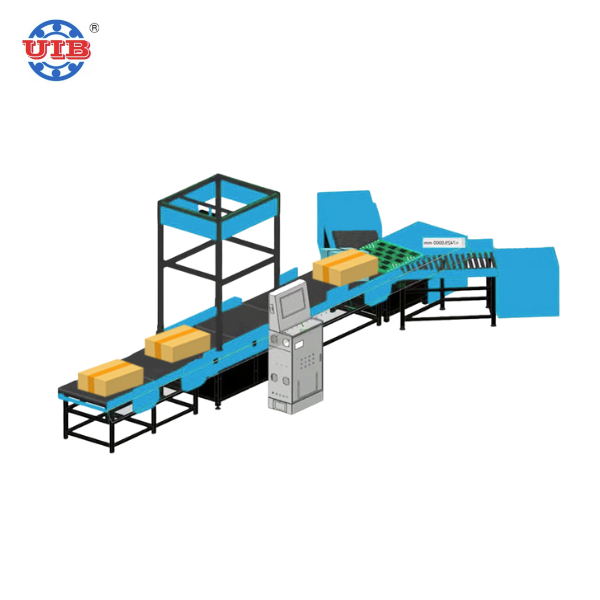
Due to the high pressure of competition these days, it is immensely important to have the integration of physical sorting operations with intelligent information management systems to ensure the operational success of your company. The Sorting Information Management System (SIMS) has been developed to address integration and optimization of the coordination and control of the movement of materials in and out of various industries. As the ‘Central Nervous System’ of logistics and distribution centers, intelligent manufacturing units, and the more sensitive food/pharma production environments, it brings together control, data, and operational flow to go beyond automation and provide better visibility, decision making, and overall efficiency. Given the breadth of our experience in this sector, it became evident that SIMS is equipped to provide further, more complex, specialized solutions to our customers to satisfy the complexities of throughput and accuracy compliance in the sector.
Our SIMS is based on three principles: reliability, adaptability, and precision. Real-time tracking and exception handling allow for precision through high-fidelity data capture at multiple touchpoints, which include item induction, identification, and final sortation. Real-time data tracking and exception handling enable a high degree of precision gained through exception management. Real-time data tracking and exception handling enable a high degree of precision gained through exception management. Adaptability is a modular software framework and open integration based on changes in business rules, product mixes, and scale. Underlying all SIMS principles is industrial-grade reliability with high fault tolerance, ensuring uninterrupted operation. The custom development process is a direct response to our belief that a one-size-fits-all SIMS is never appropriate. Each engineering team collaborates with each client is to perform detailed workflow analyses to create a custom SIMS that meets exact operational KPIs and constraints, and addresses the customer’s core business goals.
Taking into consideration the specifics of our customers and the tasks set by us, we implement our proven three-phase project lifecycle. Each of them starts with the Development Scheme design phase. That is, we implement the operational needs of our customers into a working technical design, along with the distribution of the entire system. The Administrative phase is then entered, where we do targeted prototyping and piloting to gauge what needs to be adjusted to perform adequately and not pose any risk for ourselves and our customers. The initiative of the team ends in the Professional as a Service phase, where sketching of every micro along the lines of clock synchronization, electrical and software where interfaces with mechanical systems primed to be constructed with no deviations to the target have been described in detail. This VERY step is where every deployment is not an only technical installation, but a living out of the principles of the Adaptive Design strategy, making the system an integral part of the operational environment of the client and working as a well ballanced machine surpassed by no other in the field of productivity, accuracy advocacy and return of the invested funds.
25
Sep
07
Nov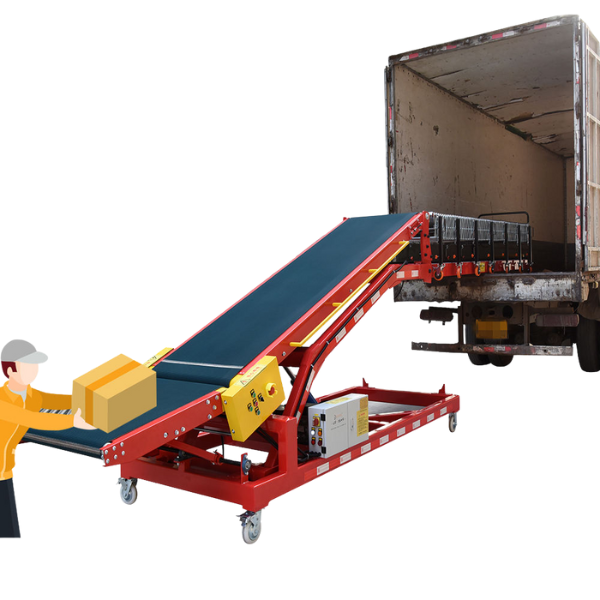
05
Nov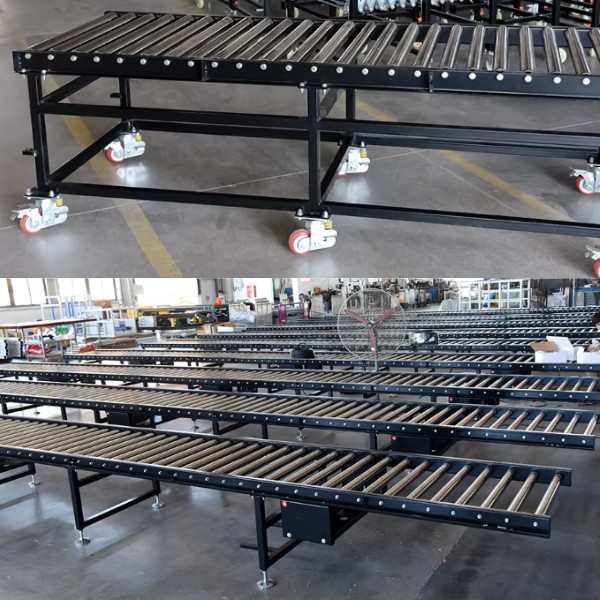
25
Nov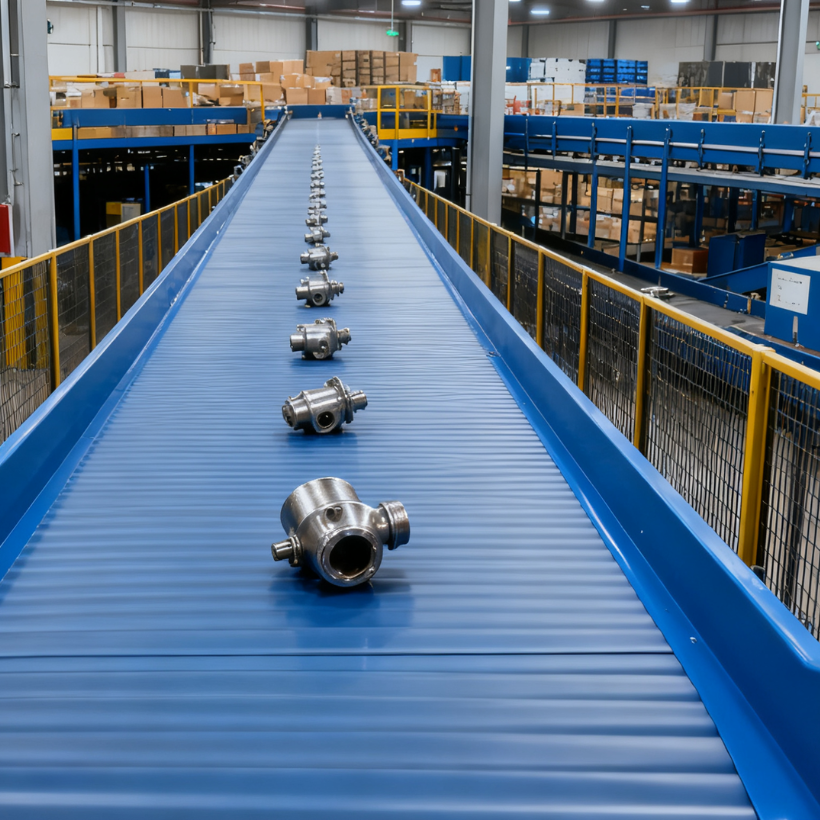
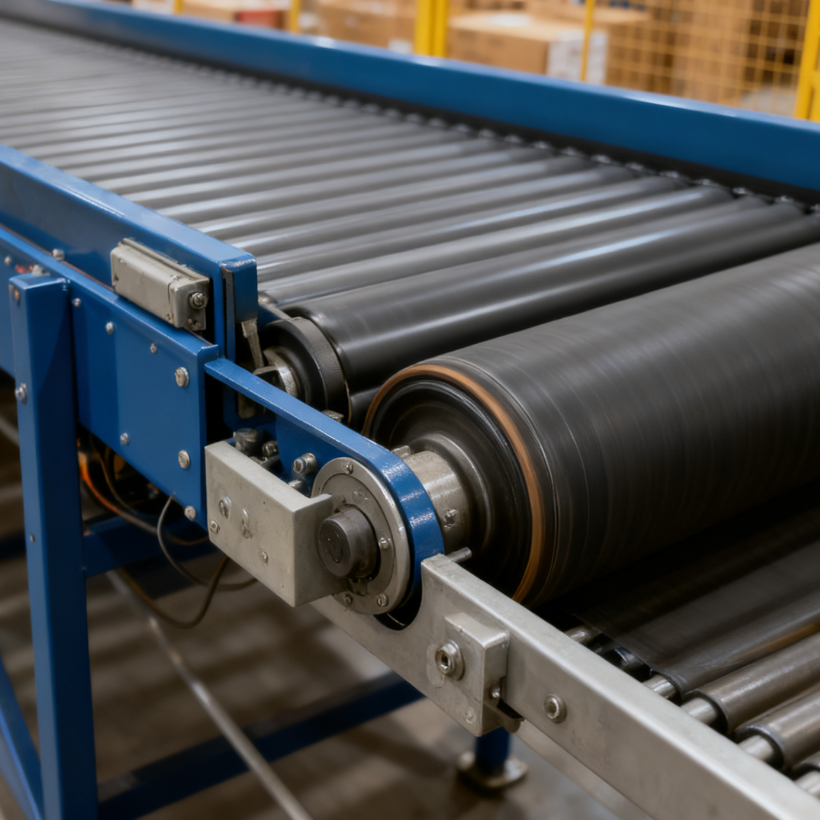
UIB (Xiamen) Bearing Co., Ltd. provides high-precision bearings for industrial machinery. Our durable design and precision engineering deliver reliable performance. Trusted by manufacturers. Request a quote today.With over 10 years in industrial conveyors, our company is a reliable global conveyor solution supplier, backed by industry insights and tech accumulation.
Room 1409, SM International Center, Xingshan Road, Huli District, Xiamen City, Fujian Province, China.
Copyright © 2025 by UIB (Xiamen) Bearing Co., Ltd. Privacy Policy

 EN
EN