 ×
×
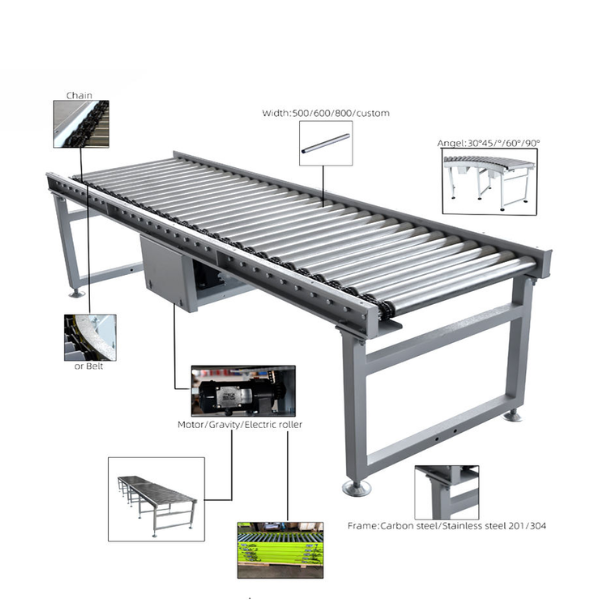
Implement structured daily and weekly inspections to catch early degradation in conveyor portable systems. Daily protocols should include:
Weekly routines expand to debris removal from rollers, verifying drive-chain tension, and testing emergency stop functionality. Technicians must document irregularities like abnormal vibrations or misalignment—early intervention prevents up to 70% of unexpected failures, per industrial maintenance studies. Consistent tracking of wear patterns enables predictive replacement and extends system reliability.
Conduct comprehensive monthly assessments focused on three pillars:
Maintain calibration records to identify trends; recurring misalignment often signals foundation instability. Facilities implementing these diagnostics report 40% longer conveyor lifespans by preempting cumulative damage.
Proper belt and roller alignment directly determines operational efficiency and lifespan in conveyor portable systems. Misalignment accelerates wear, increases energy consumption, and heightens unplanned downtime risks.
Most conveyor belt problems actually start with belt mistracking, which is responsible for around 70% of early failures according to industry data. To find what's causing these issues, check if the pulleys are properly aligned with the frame using laser tools makes things much easier. When adjusting those off-center idlers, go slow because even small angles like 2 degrees can lead to serious wear on the edges over time. If belts keep slipping despite adjustments, look at the condition of the pulley lagging material and also check what kind of torque the drive motor is putting out. Fixing problems before they get bad cuts down on belt replacements significantly. Field technicians report about a 40% reduction in replacement costs when maintenance teams address tracking issues proactively instead of waiting until something breaks.
When belt tension goes beyond 15% off what the manufacturer recommends, it puts unnecessary stress on motors and really speeds up bearing failures. For regular maintenance, monthly checks using either a tension meter or those frequency based sag measurements work well. It's smart practice to record initial readings right after putting on new belts since materials tend to stretch out quite a bit in the first 200 hours of operation. Most technicians wait until systems have warmed up before adjusting tension again because belts can appear too loose when everything is still cold. Keeping proper tension throughout operations actually adds about two to three extra years to roller life spans, something we've seen repeatedly across different bulk material handling facilities.
Daily cleaning along with those end-of-shift tidying sessions helps stop abrasive dirt from wearing things down faster than they should. Soft brushes work great for getting rid of grime stuck on belts and rollers, particularly around the spots where stuff tends to collect during transfers. When dealing with gooey messes, reach for cleaners specifically recommended by manufacturers these products actually break down stickiness without messing up rubber parts over time. If maintenance gets ignored, all that junk builds up and starts causing real problems down the line.
According to a recent bulk handling industry report from 2023, facilities that follow regular cleaning schedules saw about 34% fewer conveyor belt replacements each year. Before starting any cleaning work, workers need to shut off all power sources first. High pressure water shouldn't be used on equipment that isn't properly rated for it either. Getting rid of those pesky wood chips, tiny bits of ore, or leftover food stuffs regularly makes a big difference. These materials can cause belts to wear out faster through both chemical breakdown and physical scraping against surfaces over time. Keeping things clean isn't just good practice, it actually saves money in the long run when looking at replacement costs.
Getting the right amount of lubricant on those moving parts can really extend how long a conveyor system lasts. Most folks forget that friction eats away at everything over time. The spec sheet from the manufacturer usually recommends applying lubricants to bearings, drive chains, and pivot points based on how hard the system works. For most setups, this means greasing up every 200 to 500 operating hours. Not enough lube and metal starts grinding against metal. Too much and it just draws dirt into the mix which wears down seals faster than normal. Smart operators also replace those high stress parts like rollers and bearings before they reach full wear out. Around 80% of their expected life is when replacement makes sense. This two pronged strategy keeps things running smoothly until scheduled maintenance windows instead of letting small issues turn into big breakdowns. Plants that stick with these guidelines tend to see conveyors lasting about 40% longer with roughly 30% fewer surprise shutdowns compared to those who wing it.
 Hot News
UIB Xiamen is a 10-year factory supplying custom conveyor, sorting machine, forklift & material handling machinery for logistics, cold chain & manufacturing. Free customized solution available.
Room 1409, SM International Center, Xingshan Road, Huli District, Xiamen City, Fujian Province, China.
Copyright © 2025 by UIB (Xiamen) Bearing Co., Ltd. Privacy Policy

 EN
EN