 ×
×
Adjusting a vertical chain conveyor is like tuning an instrument. A string instrument with sloppily tuned strings may sound dull and boring. But overly tight strings will break. This is similar to the chains on a vertical chain conveyor. To keep your equipment safe and running smoothly, the chain tension must be just right. A chain with too much tension will cause the parts to wear out quickly. Chains with too little tension, can slip, jump, or even cause a jam.
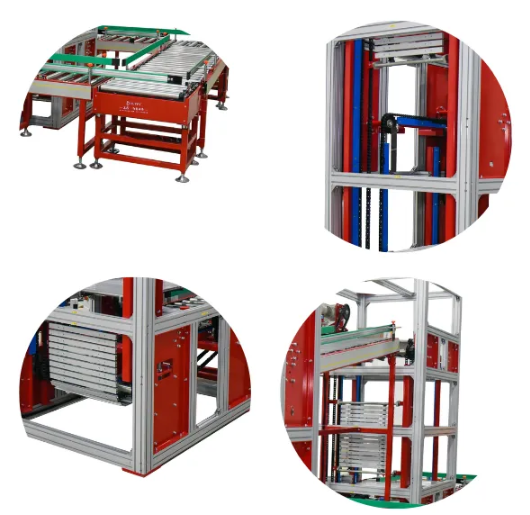
What happens when a vertical conveyor is used? The conveyor lifts materials vertically against gravity, which is difficult. The muscle is the chain doing the lifting; therefore, the chain must be held in position by the sprockets. The correct chain tension is what allows the teeth on the chain to engage (and disengage) with the pockets on the sprocket. This means a smooth transfer of power from the motor to the load. When a chain is too loose, or too tight, it will lose power. When the parts lose power, the parts will start to contact each other in the wrong way; which results in premature contact, increased energy consumption, and a potential breakdown. Correct chain tension is the basis for reliable operation.
An example of an oversimplified problem scenario is described here. A loose chain problem can result in 'chain slap,' which is the act of the chain banging against the conveyor housing. This problem causes a lot of noise, makes impact damage to the chain and even the housing structure or worse chain damage. Additionally, left untreated, a problem can lead to 'jumping teeth,' which can be a result of the chain having to much slack, and is able to dislodge the chain from the sprocket, particularly during the starting and stopping motions. This could result in missed engagement of the sprocket teeth to the chain bushings, leading to either an abrupt arthritic motion or a complete stall in the conveyor system. In the most extreme of these cases, until the chain is so damaged that it cannot be retained, a loose chain will gather in a major blockage at the base of a conveyor system. In the end, it just not an overseen problem that you will be looking to prevent.
When chains are overly tightened, they create the same kinds of problems, or worse, than chains that are too loose. Overtightening chains create excessive tension of all of the parts of the drive train system. It creates excessive load on all of the individual links of the chain, increasing the rate of wear of the links, or the chain itself could stretch or break. This excessive load is also transferred to the sprockets, increasing the rate of wear of the sprockets teeth as well as to the bearings of the shafts. If the bearings are overloaded, they will wear out quickly. It could even bend the shafts. All of the additional load that is created also creates additional work that needs to be done by the motor because of the additional friction created by the tight chain. This is why a loose chain creates a single catastrophic failure, whereas a tight chain causes a slow, expensive, and wear related failure.
How do you get it perfect? There is no measurement that will work for every situation. Optimal tension will depend on your conveyor length, load, and chain type. There is one principle that stays the same, the chain should be loose enough to have a little bit of sag but tight enough that it stays engaged to the sprockets chain. A general rule to follow is for the slack strand to have a little bit of a deflection. This can be measured by pushing on the strand about halfway between the two sprockets and seeing how much it moves. Manufacturer guidelines will specify how deflection within the range so the starting point is always a good place to go the manual.
The better the quality of chain and sprockets, the better they will manage and handle tension. Reputable suppliers, especially in precision parts, have over 10 years of experience and are able to manufacture components to very tight tolerances. This means that both the chain pitch (distance between links) and the sprocket tooth profile will be in alignment. Starting with high quality precision parts will make achieving and maintaining the optimum tension significantly easier. Poor quality components will have a range of problems that will make proper tensioning impossible, resulting in the uneven wear and failure of components much sooner than expected. This is why quality components is the first and most important step in setting up a reliable tension system.
Chain tension is not an even set and forget. Chains stretch and wear with use, and tension will decrease with use. That is why it is essential to do the proper check-ups. An adequate routine will visually check the tension on the chain. Some conveyors come with automatic chain tensioners, but even those need to be check-ups done. By preventing the possibility of a slack chain it can be not dangerous to the "jumping teeth" stage. It is a check-up that is simple to preform and saves a lot of time.
Adjusting the tension comes set first. Always follow the guidance of the bolts by the manufacturers. This is usually followed by coming bolts of the motor space to the adjustment by moving the motor and the slack of the chain spockets. The system must m be done by a qualified engineer of the system. Then, and only then can the bolts be tightened, Check the tension keeping it by less to big once.
With respect to your vertical chain conveyor, optimal tension begins and ends with knowing your equipment and your equipment and your equipment. The right starting components, thoughtful initial setup, and ongoing, proactive maintenance are critical. An experienced supplier who understands the value of quality parts and the importance of offering solid guidance is, without question, a tremendous advantage. They will assist you in identifying the unique requirements of your conveyor, and, hopefully, better equip you to sustain optimal operational condition. Once you achieve the right tension, your vertical conveyor will become a dependable, productive workhorse for you.
 Hot News
UIB Xiamen is a 10-year factory supplying custom conveyor, sorting machine, forklift & material handling machinery for logistics, cold chain & manufacturing. Free customized solution available.
Room 1409, SM International Center, Xingshan Road, Huli District, Xiamen City, Fujian Province, China.
Copyright © 2025 by UIB (Xiamen) Bearing Co., Ltd. Privacy Policy

 EN
EN