 ×
×

هذا النهج القصير النظر شائعٌ لكنه سهل التجنّب. وليس من غير المألوف أن يشتري المدراء أحدث تقنيات الأتمتة دون حتى تحديد النقاط التي يعاني فيها المخزن من أعطال فعلية. فعليك أن تقضي وقتًا في التجوّل عبر عملياتك الحالية. أين يتعثّر تدفق العمل؟ هل المشكلة في الشحن، أم في عملية الاختيار (Picking)، أم في وضع البضاعة في أماكنها (Put Away)، أم في مكان آخر؟ اكتب كل المشكلات التي تستطيع اكتشافها. فقد لا تحتاج في بعض الأحيان إلى أتمتة مكثفة على الإطلاق؛ إذ قد يكفي إعادة تصميم التخطيط الداخلي للمخزن، أو تحسين وضوح الملصقات، أو تقديم تدريب إضافي لحل جزء كبير من مشكلاتك بالفعل. وسيساعدك هذا النوع من الاستعدادات على تجنّب العقبات الكبرى لاحقًا.
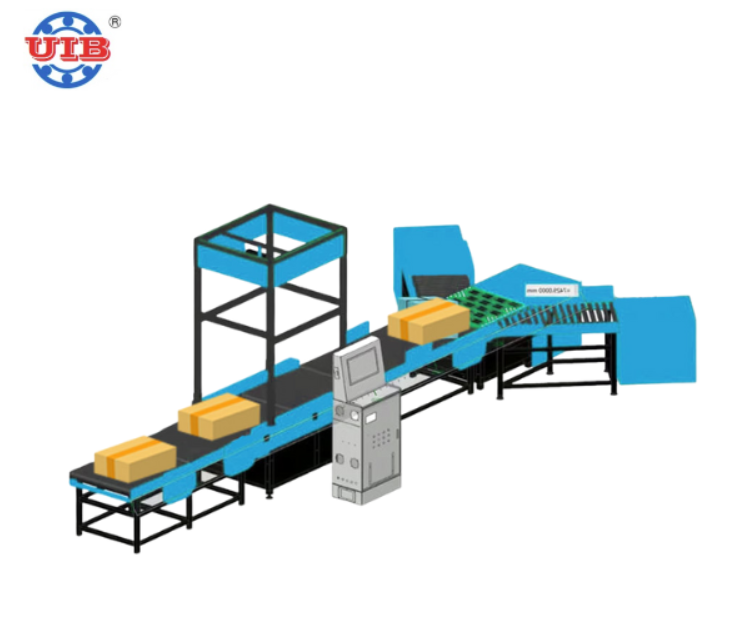
قبل أن تُدخل أي روبوتات أو أحزمة ناقلة، ركّز أولاً على تأسيس بنيتك البرمجية بشكلٍ متين. فنظام إدارة المستودعات الجيِّد (WMS) يُعتبر العقل المدبِّر لعملياتك بكاملها. فهو يُخبرك بمواقع تخزين البضائع، والطلبات التي يجب جمعها، والمنتجات التي ينبغي شحنها. وبغياب نظام WMS موثوق، ستظل معداتك الآلية تتحرك عشوائيًّا دون هدفٍ واضح. ويُقلِّل نظام WMS حديث من الأخطاء البشرية عبر تزويده لك بمعلوماتٍ فورية عن المخزون والطلبات وأداء العمال. فعلى سبيل المثال، عند مسح رمز الباركود، يؤكد النظام فورًا أنك جمعت الصنف الصحيح، ما يؤدي إلى اختفاء أخطاء الجمع تقريبًا. وقد شهدت بعض العمليات انخفاض معدل الأخطاء الإجمالي لديها إلى نحو خمسة في المئة أو حتى أقل بعد دمج نظام WMS مع الأنظمة الميكانيكية. وهذه بالفعل نقطة تحول جوهرية.
تصوروا الطريقة القديمة للجمع. يمشي العامل ذهابًا وإيابًا عبر الممرات الطويلة، باحثًا عن المنتجات وفق قائمة ورقية. فيشعر بالتعب، ويُفقد تركيزه، ويأخذ الصنف الخطأ. وهذا يحدث في كل وقت. أما تقنية «السلع إلى الشخص» فتقلب هذه النموذج رأسًا على عقب تمامًا. فبدلًا من أن يتجوّل الشخص بحثًا عن السلع، تأتي السلع إلى الشخص مباشرةً. وتقوم أنظمة التخزين والاسترجاع الآلية بإحضار الحاويات مباشرةً إلى محطة الجمع الثابتة. ويظلّ جامع السلع في مكان واحد، بينما يُعلِّمه النظام بدقةٍ أيَّ صنفٍ يجب أخذه وكميته. وهذه الطريقة تقلّل بشكل كبير من الوقت الضائع في المشي، كما تخفض الأخطاء بشكل حاد. وفي الواقع، يمكن لتكنولوجيا «السلع إلى الشخص» أن تقلّل أخطاء الجمع بنسبة تزيد على تسعين في المئة. وبعض الأنظمة قادرة حتى على رفع دقة الجمع إلى ما يتجاوز تسعة وتسعين فاصل خمسة في المئة. وهذه الدرجة من الدقة يصعب جدًّا الاعتراض عليها.
بدون رؤية جيدة، أنت ببساطة تخمّن. وتُركِز طرق التسجيل اليدوي والتتبع القائم على الورق مجالاً واسعاً جداً للأخطاء. فقد يكتب شخصٌ عدداً خاطئاً، أو ينسى تحديث سجلٍ ما، فيصبح رصيد المخزون لديك كله غير دقيق فجأةً. ويُصلح مسح الرموز الشريطية هذه المشكلة فوراً. ففي كل مرة يتم فيها استلام عنصر ما أو نقله أو اختياره أو تعبئته أو شحنه، تقوم بمسح رمزه الشريطي. ويتم تحديث النظام تلقائياً. ولا مزيد من التخمين، ولا خط يدٍ غير منظم، ولا إدخالات منسية. ويعني التحقق الفوري أن النظام قادرٌ على اكتشاف الخطأ في اللحظة التي يحدث فيها. وعندما تدمج المسح مع لوجستيات المستودع الآلية، تبقى بياناتك نظيفةً والأخطاء نادرة الحدوث. وقد حقّقت بعض المستودعات دقةً في الجرد تجاوزت ٩٩٪ باستخدام هذه الطريقة.
غالبًا ما يضع الناس أهدافًا طموحةً كبيرةً، ثم يشعرون بخيبة أملٍ عندما لا يتمكنون من تحقيقها دفعةً واحدة. ولهذا السبب، يجب أن تتجنب محاولة أتمتة كل شيءٍ في ليلةٍ واحدة. بدلًا من ذلك، اختر قسمًا واحدًا في مستودعك يُسبّب أكبر عددٍ من المشكلات، أو الذي يتعامل مع عناصر ذات قيمة عالية. وأتمتِ هذا القسم أولًا. وجرب أداؤه، وحدّد أي مشكلاتٍ قد تظهر، ودرّب فريقك على سير العمل الجديد. وبمجرد أن تثبت نجاح النظام، يمكنك التوسّع ليشمل الأقسام الأخرى. ويقلّل هذا النهج التدريجي المخاطر، ويجعلك تتعلّم أثناء السير قدمًا. فالأتمتة ليست بالضرورة قفزةً جذريةً تشمل كل شيءٍ أو لا شيءٍ على الإطلاق؛ بل حتى الخطوات الصغيرة يمكن أن تحقّق تحسيناتٍ ملموسةً فورًا.
إن تدريب فريقك أمرٌ بالغ الأهمية. ويجب على موظفيك أن يفهموا كيفية عمل نظام لوجستيات المستودعات الآلي الجديد، وكيفية التعامل مع الاستثناءات، وكيفية تشخيص المشكلات وحلها عند حدوثها. وقبل الانتقال إلى التشغيل الفعلي، خصِّص وقتًا كافيًا للتدريب. وبيِّن لموظفيك كيفية قيام النظام بالتحقق من عمليات الاختيار (Picks)، وكيفية مسح العناصر بشكل صحيح، وما يجب فعله عند ظهور تنبيه خطأ. وشاركهم في العملية منذ البداية. فعندما يفهم الأشخاص السبب الكامن وراء التغيير، فإن احتمال قبولهم له يزداد بشكل كبير مقارنةً بمقاومته. وقد وجدت بعض الشركات أن إعطاء العمال تغذية راجعة فورية عبر التكنولوجيا يحسّن فعليًّا مستوى مشاركتهم ويجعلهم أكثر حرصًا.
لا تفترض أن نظامك الآلي لسلاسل التوريد في المستودعات سيبقى مثاليًّا إلى الأبد بمجرد بدء تشغيله. فهذه الأنظمة تتطلب اهتمامًا دوريًّا. فتحقق من معداتك بحثًا عن علامات التآكل أو التلف. وحدِّث برامجك عند صدور إصدارات جديدة. وراجع سجلات الأخطاء لاكتشاف الأنماط المتكررة. فقد يكون هناك فئة معينة من المنتجات تُسبِّب مشاكل باستمرار، أو قد تكون محطة عمل معيَّنة تسجِّل معدل أخطاء أعلى من غيرها. وتولِّد الأتمتة كمًّا هائلًا من البيانات المفيدة، لكن هذه البيانات لا تُحقِّق فائدتها إلا إذا قمتَ فعليًّا بتحليلها والعمل وفقًا لها. واستخدم هذه المعلومات للحدّ التدريجي من الأخطاء على مر الزمن. فالتحسين المستمر ليس مجرد شعارٍ رنانٍ؛ بل هو الطريقة التي تحقِّق بها نتائج مستدامة.
وأخيرًا، راقب تقدُّمك. كم عدد أخطاء الاختيار التي كنت ترتكبها قبل أن تبدأ؟ وكم عدد الأخطاء التي ترتكبها الآن؟ وماذا عن دقة المخزون؟ وسرعة تنفيذ الطلبات؟ اكتب هذه الأرقام قبل أن تبدأ، ثم قِسْها مجددًا بعد التنفيذ. إن رؤية تحسُّنٍ ملموسٍ، مثل انخفاض معدل الأخطاء من خمسة في المئة إلى أقل من واحد في المئة، يُعدُّ دافعًا هائلًا لجميع أفراد فريقك. شارك هذه الإنجازات، وتحدث أيضًا عن التحديات. واجعل الفريق يدرك أن جهودهم الكبيرة قد آتت أُكلها. وعندما تستطيع الإشارة إلى نتائج حقيقية وقابلة للقياس، فإن ذلك يُولِّد زخمًا للتحسينات المستقبلية، ويجعل الجميع يشعرون بالرضا تجاه الجهد الذي بذلوه.
لا يجب أن تكون عملية تنفيذ لوجستيات المستودعات الآلية مُربكةً أو مُعقَّدة. فمع هيكلٍ قويٍّ، وأساسٍ برمجيٍّ مناسبٍ، واختياراتٍ ذكيةٍ للتكنولوجيا، وفريقٍ يمتلك الخبرة والكفاءة المطلوبة، يمكنك تحقيق تخفيضٍ كبيرٍ في الأخطاء والهدر. وسيشعر عملاؤك بالرضا أكثر، وستصبح عملياتك التشغيلية أكثر سلاسةً، وستتوقف عن إهدار المال في أخطاءٍ يمكن تفاديها. وهذه غايةٌ تستحق السعي لتحقيقها.
UIB شيامن هي مصنعٌ يعمل منذ 10 سنوات، ويوفر حلولاً مخصصة لمعدات النقل والفرز الآلي والرافعات الشوكية وماكينات مناولة المواد المستخدمة في مجالات الخدمات اللوجستية، سلسلة التبريد، والتصنيع. وتتوفر حلول مخصصة مجانية.
الغرفة 1409، مركز SM الدولي، طريق شينغشان، منطقة هولي، مدينة شيامن، مقاطعة فوجيان، الصين.
حقوق الطبع والنشر © 2025 بواسطة شركة UIB (شيامن) لتصنيع المحامل المحدودة. سياسة الخصوصية

 EN
EN


 الأخبار الساخنة