 ×
×
Have you seen a decline conveyor that struggles to move material downward, and then the belt loses tension while the drive pulley keeps spinning? That is a belt tension issue, and on a decline conveyor, it can become dangerous really fast. A decline conveyor has gravity working as a pulling force, which can cause the belt to move faster than the drive pulley intends. This unique challenge makes tension control components some of the most important parts of the whole system. If those components are not inspected and they get damaged, you could lose belt control entirely. Let me explain why this matters so much and what you need to watch out for.
People often do not realize that decline conveyors have an opposite problem compared to inclines. Instead of worrying about the belt slipping backward, with a decline conveyor the load gets pulled down the line. This makes the belt want to run faster than the drive pulley. This is called over running, where the belt actually pushes the drive instead of the drive pulling the belt. The tension system is the only thing keeping everything under control by maintaining just enough friction on the pulley. Because tension components need regular checking, if you ignore them, it is only a matter of time before the belt runs completely out of control and loses its grip. The mess from that is not pretty, and the whole thing is entirely preventable.
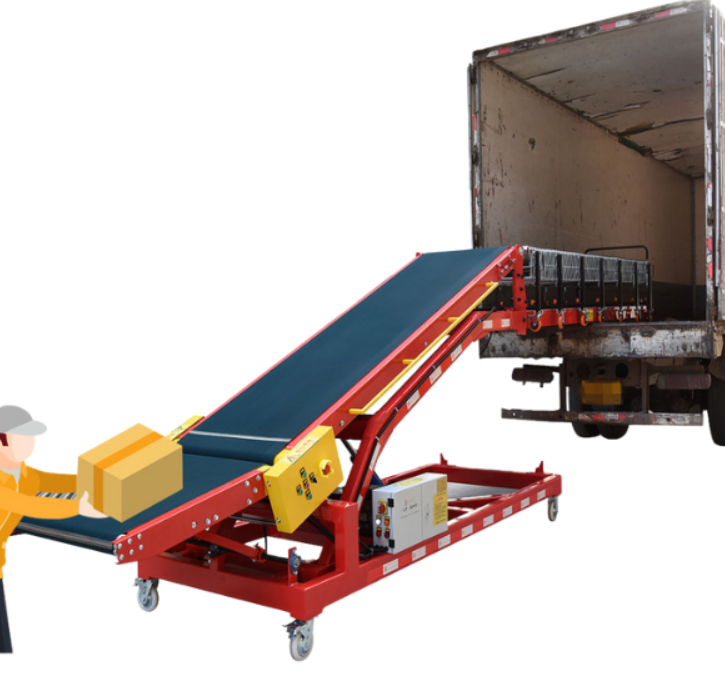
Screw take ups and gravity take ups are the most common methods for managing belt tension. Screw take ups let you adjust tension by turning a threaded rod, which pushes or pulls the tail pulley. These work fine for shorter conveyors, but they need regular monitoring because belts stretch over time. Gravity take ups use a weighted carriage that automatically pulls the belt tight. These systems are especially helpful on a decline conveyor because they automatically adjust tension based on belt length and load. But here is the catch. The moving parts on a gravity take up, like trolley wheels and steel ropes, can wear out or get stuck. If the carriage jams, your belt tension goes out the window. That is why you need to routinely inspect these components. Check for debris like ice, dust, or other buildup. Make sure the carriage moves freely, and confirm the counterweight is still in place.
Excessive belt slippage is usually the first sign that tension components are failing on a decline conveyor. The belt loses grip on the drive pulley and can either come to a complete stop or take off running too fast. Slippage causes a bunch of problems right away. Material can build up at the tail pulley or spill off the sides of the belt. The friction from slipping generates heat, which can damage both the belt and the pulley lagging. Slippage also leads to uneven wear along the belt edges, which makes the belt track off to one side or even derail completely. One common cause of belt and motor failure is improper tension. The fix is simple. Check your tension components weekly and make adjustments before slippage becomes a real problem.
A lot of people think that if a little tension is good, more tension must be better. That is not how it works. Over tensioning a decline conveyor puts huge amounts of stress on bearings, pulleys, and the belt itself. Bearings can overheat and fail. The belt can stretch unevenly or even snap. Pulley lagging can get crushed or worn down early. Some sources note that over tensioning can reduce component lifespan by more than fifty percent. On the other hand, under tensioning causes the belt to slip and lose control. The ideal tension is the lowest amount that prevents slippage when the belt is fully loaded. Finding that sweet spot takes regular inspection and adjustment. You cannot just set it once and forget it, because belts stretch, temperatures change, and loads vary. A tension check using the deflection method or a tension meter should be done every week to keep you in the safe zone.
Tension components are not the only part of the system. The drive pulley and its lagging are also vital for maintaining grip. Lagging is the rubber or ceramic material wrapped around the pulley to increase friction. Over time, lagging wears down, glazes over, or even separates from the pulley. When that happens, your belt loses traction even if the tension is set correctly. On a decline conveyor, this is especially dangerous because gravity is already trying to pull the belt downhill faster. Worn lagging means less friction, which means a higher chance of over running and loss of control. That is why visually inspecting the pulley lagging should be part of your weekly maintenance routine. Look for smooth spots, cracks, and sections where the lagging has come loose. Replace it before it causes a pulley failure.
Here is something that might surprise you. Safety regulations actually require regular inspection of tension components on material handling equipment. These rules apply to conveying systems as well. Regulatory bodies set specific time frames for checking take up systems and other high risk components. If an inspector finds a violation, they can shut down your equipment or give you an order to fix it within an unreasonably short timeline. Ignoring tension component inspections is not just bad for your equipment, it can also get you in trouble with the law. Setting up a regular inspection schedule protects your workers, your operation, and your bottom line.
You do not need a huge budget or expensive tools to properly inspect tension components. A good routine includes checking belt sag between idlers, listening for unusual noises from pulleys, looking at how much adjustment range your take up has left, inspecting lagging for wear or glazing, and testing that gravity take up carriages roll freely. These checks take maybe fifteen minutes once a week. Compare that to the hours of downtime and repair costs from a belt that snaps or slips off. Regular inspection of tension components on a decline conveyor is one of those small investments that pays off big. It keeps your material moving, your workers safe, and your operation running smoothly. Do not skip this step.
 Hot News
UIB Xiamen is a 10-year factory supplying custom conveyor, sorting machine, forklift & material handling machinery for logistics, cold chain & manufacturing. Free customized solution available.
Room 1409, SM International Center, Xingshan Road, Huli District, Xiamen City, Fujian Province, China.
Copyright © 2025 by UIB (Xiamen) Bearing Co., Ltd. Privacy Policy

 EN
EN