 ×
×

Você já percebeu um transportador de correia inclinado tentando, de forma frustrante, transportar cargas para cima de uma rampa, apenas para ver a correia praticamente parar enquanto a polia motriz continua girando? Esse é o deslizamento da correia, um verdadeiro pesadelo operacional. Quando as correias não aderem adequadamente à polia motriz, os materiais se acumulam na extremidade traseira, interrompem a produção e normalmente exigem uma limpeza trabalhosa. Esse cenário torna-se ainda mais complexo em sistemas de transportadores de correia inclinados, pois a gravidade puxa constantemente a carga para baixo. Felizmente, o deslizamento é prevenível. Com as soluções adequadas, é possível eliminar essas frustrações operacionais e manter seu sistema funcionando sem interrupções. Gostaria de discutir as principais causas e as soluções eficazes capazes de evitar o deslizamento.
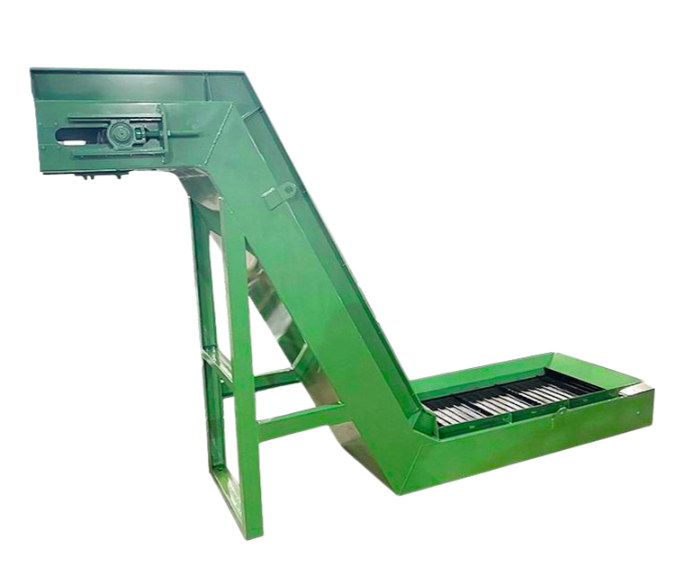
Uma tensão insuficiente da correia é uma das causas mais comuns de deslizamento. Uma correia muito frouxa não consegue aderir adequadamente à polia motriz, especialmente em condições de carga elevada. Imagine uma faixa elástica sendo usada com uma roda: ela simplesmente girará sem conseguir agarrar a roda. A maioria das correias transportadoras possui um dispositivo de ajuste de tensão, que pode ser do tipo parafuso manual ou do tipo autoregulável, que utiliza a gravidade. Esse dispositivo também é empregado em sistemas de correias transportadoras inclinadas de menor comprimento. No entanto, se você estiver utilizando o tipo manual, tenha em mente que ele precisa ser verificado e apertado regularmente. Uma boa regra prática é observar a flecha (ou afundamento) da correia entre os roletes de retorno. Se essa flecha for superior a alguns centímetros, talvez seja necessário apertá-la. Por outro lado, uma tensão excessiva é igualmente prejudicial, pois pode causar sobrecarga nos rolamentos, aumentar o desgaste da correia e provocar problemas de desvio lateral (ducking). Portanto, busque uma tensão adequada, na qual a correia não esteja nem muito frouxa nem excessivamente tensionada.
A menos que o sistema de correia seja projetado especificamente para inclinações acentuadas ou materiais pesados, a tensão pode não ser suficiente. Isso responde à pergunta: o que é um ângulo de envolvimento? O ângulo de envolvimento é a medida de quanto da polia motora é ocupada pela correia. Normalmente, a correia é projetada para ter um ângulo de contato padrão de aproximadamente 180 graus. Por exemplo, uma polia tensora pode ser utilizada para proporcionar ângulos de contato variáveis. As polias tensoras são pequenas polias montadas no lado de retorno da correia e posicionadas adjacentes à polia motora. A finalidade de uma polia tensora é pressionar a correia com mais firmeza contra a polia motora, aumentando assim o ângulo de envolvimento para 210 graus ou mais. Do ponto de vista físico, quanto maior a área de superfície de contato entre a correia e a polia, maior será a fricção e menor a probabilidade de deslizamento da correia. As polias tensoras, contudo, apresentam um efeito negativo. Como são montadas no lado de retorno da correia, tendem a acumular sujeira e exigem manutenção. Uma vez que as polias tensoras normalmente são as primeiras a partir do lado da polia de tensionamento, devem ser equipadas com um limpador de correia para remoção dos resíduos. Além disso, a aplicação de um revestimento liso de borracha na superfície da polia tensora protege-a contra desgaste. Dentro de um sistema de transporte contínuo, caso não haja espaço físico para instalação de uma polia tensora, não há motivo para preocupação, pois ainda existem alternativas.
Um componente importante para os materiais de revestimento de polias é a borracha de revestimento para polias. A borracha de revestimento é utilizada para ajudar a combater a ocorrência de deslizamento da correia. A maioria dos tipos de revestimento em borracha é suficiente em condições secas. No entanto, a presença de água e lama reduz drasticamente o coeficiente de atrito da borracha de revestimento. Nessas condições, é o momento ideal para utilizar o revestimento cerâmico. O revestimento cerâmico consiste em materiais de revestimento com placas embutidas de cerâmica de alumina de alta qualidade, incorporadas à borracha. Isso cria superfícies de borracha cujo nível de rugosidade é próximo ao das borrachas corrugadas e que apresentam níveis extremamente elevados de atrito mesmo na presença de água, gelo e lama. Um exemplo disso foi uma pedreira que operava em um ambiente montanhoso úmido, nublado e frio, com um sistema de transportador de correia inclinado. Ela vinha perdendo constantemente produção devido ao excesso de deslizamento. Foram feitas diversas tentativas para resolver o problema de deslizamento, incluindo a instalação de diferentes tipos de revestimento em borracha e o aumento da tensão no sistema. O problema de deslizamento foi finalmente resolvido com a adoção do revestimento cerâmico. O resultado foi tão positivo que o revestimento da correia transportadora localizada logo atrás teve de ser substituído para acompanhar o desempenho melhorado. Trata-se exatamente desse tipo de melhoria drástica que pode ser esperada com a utilização adequada dos materiais de revestimento.
As esteiras transportadoras movem materiais em um único sentido, mas alguns dos seus materiais são transportados em inclinação e necessitam de proteção contra o retorno involuntário; essa é justamente a proteção contra o retorno. Em esteiras transportadoras inclinadas, caso o motor falhe, a esteira totalmente carregada descerá de forma descontrolada. A esteira retrocederá e inúmeros materiais cairão. Trata-se de uma situação perigosa e caótica. Os materiais podem sobrecarregar a caixa de engrenagens, entre outros componentes. Por esse motivo, são necessários dispositivos de retenção (backstops), que são acoplamentos mecânicos. Os dispositivos de retenção acionam-se em caso de rotação reversa, mas permitem livre rotação no sentido normal (avanço). Geralmente, esses dispositivos são instalados no eixo da cabeça da esteira transportadora. Eles protegem contra rotação reversa e são fixados de forma segura. A maioria das normas de segurança exige a instalação de dispositivos de retenção nesses casos. Embora possam ser considerados indesejáveis em condições normais, são extremamente críticos em situações infelizes.
Com componentes adequados e instalação cuidadosa, o escorregamento da correia ainda pode ocorrer se a manutenção for negligenciada. Com o tempo, a correia se alonga, o revestimento antideslizante desgasta-se e as polias tornam-se lisas. Além disso, pode ocorrer acúmulo de material em diversos componentes. Cada uma dessas pequenas alterações reduz a fricção e, então, um dia, a correia simplesmente começa a escorregar. Resolver esses problemas é simples: verifique regularmente a tensão da correia; inspecione o revestimento antideslizante e a correia quanto ao acúmulo de material. Uma correia desalinhada é uma causa significativa de escorregamento e pode tensionar o sistema de forma desigual; portanto, certifique-se de que a correia esteja alinhada corretamente. Alguns minutos de inspeção podem poupar horas de tempo de inatividade. Esteja atento aos limites de carga. Sobrecarregar um transportador de correia inclinado é uma maneira infalível de causar escorregamento.
Os quatro fatores-chave para eliminar o deslizamento das correias em sistemas de transportadores de correia inclinados são: ajustar a tensão, aumentar a aderência por meio do aumento do ângulo de envolvimento, atualizar para revestimento cerâmico quando as condições forem adversas e instalar dispositivos de retenção (backstops) em rampas para garantir a segurança. Inspeções regulares ajudarão a identificar quaisquer problemas potenciais antes que se tornem onerosos. O deslizamento pode ser evitado com a manutenção adequada do sistema. Manter os materiais em movimento para cima nas rampas não resultará em interrupções frustrantes. Sua linha de produção será mais eficiente.
 Notícias Quentes
2026-01-14
2025-09-25
2025-09-24
UIB Xiamen é uma fábrica com 10 anos de experiência que fornece esteiras personalizadas, máquinas automáticas de classificação, empilhadeiras e equipamentos para manuseio de materiais para logística, cadeia fria e manufatura. Solução personalizada gratuita disponível.
Sala 1409, Centro Internacional SM, Rua Xingshan, Distrito de Huli, Cidade de Xiamen, Província de Fujian, China.
Direitos autorais © 2025 pela UIB (Xiamen) Bearing Co., Ltd. Política de Privacidade

 EN
EN